Showing posts with label Parable of the Sower. Show all posts

Monday, July 22, 2024

CFM Alma 32-35: Nurturing Faith - Spiritual Growth and Discipleship

Planting the Gospel of Jesus Christ in Your Heart: A Study of Alma 32-35 and the Parable of the Sower in the Synoptic Gospels and the Gospel of Thomas

Are you ready to plant the word of God deep in your heart and watch your faith flourish? This week, we dive into Alma 32-35, exploring profound lessons in faith, growth, and understanding within the Gospel of Jesus Christ. These scriptural passages, along with the parables of the Sower from Matthew, Mark, Luke, and the Gospel of Thomas, reveal how the word of God, like a seed, can transform our lives when planted and nurtured.

Alma's teaching to the Zoramites, who felt cast out and unable to worship, offers timeless insight into worship that transcends physical locations. By comparing the word of God to a seed that grows into a tree of everlasting life, Alma challenges us to plant the Gospel of Jesus Christ in our hearts, nurturing it with care and faith.

Whether you're looking to strengthen your testimony in specific areas or embrace the Gospel more fully, this expository study will guide you. The parables in the Synoptic Gospels and the Gnostic Gospel of Thomas echo this theme: faith requires effort, constant nourishment, and an open heart.

Reflect on your faith and areas needing growth, and let these scriptures inspire you to cultivate a deeper, more resilient testimony.

Understanding the Parable of the Sower

The Parable of the Sower is one of the most profound teachings of Jesus Christ, found in the Gospels of Matthew, Mark, Luke, and the Gospel of Thomas. This parable illustrates the different ways people receive and react to the word of God, akin to seeds falling on various types of soil. In the Book of Alma, the metaphor of planting seeds in one's heart is explored deeply, providing us a comprehensive understanding of faith and personal growth. Here's an in-depth look at how the Synoptic Gospels and the Gospel of Thomas present the Parable of the Sower and its relevance to modern believers.

Interpretations of the Synoptic Gospels

Each Gospel writer presents the Parable of the Sower with unique insights and emphasis, reflecting their audience and purpose.

  1. Matthew (Matthew 13:1-23)
    • Focus: Understanding and Fruitfulness
    • Key Insight: Matthew emphasizes understanding the word of God as critical for spiritual growth. The seed that falls on good soil represents those who hear and understand the word, bearing abundant fruit.
  2. Mark (Mark 4:1-20)
    • Focus: Immediate Reception and Endurance
    • Key Insight: Mark's account highlights the immediate reception of the word and the challenges to endure. For Mark, the seed symbolizes those who receive the word with joy but must withstand life's trials to thrive.
  3. Luke (Luke 8:4-15)
    • Focus: Response to Temptation and Riches
    • Key Insight: Luke draws attention to the distractions of life, such as temptation and riches, that can choke the word, making it unfruitful. The importance of a patient heart is emphasized in nurturing the seed.
  4. Gospel of Thomas (Logion 9)
    • Focus: Hidden Wisdom and Personal Insight
    • Key Insight: The Gospel of Thomas, a Gnostic text, presents the parable with a mystical interpretation. It suggests the seed symbolizes hidden wisdom that each individual must discover and cultivate within their heart.

Applications for Modern Believers

For Latter-day Saint Christians, the Parable of the Sower offers practical lessons for personal reflection and growth. Here's how we can apply these teachings in our lives:

Planting and Nurturing Testimonies

  • Personal Reflection: Just as Alma taught the Zoramites, we should plant the word of God in our hearts. Reflect on the strength of your testimony of Jesus Christ and identify areas for growth. How strong is your testimony?
  • List of Actions:
    1. Daily Scripture Study: Regularly study the scriptures to nourish your faith.
    2. Prayer: Pray for understanding and strength to live God's teachings.
    3. Service: Engage in acts of service to experience God's love in action.

Overcoming Modern Challenges

  • Real-life Applications: The parable teaches us to be wary of distractions:
    • Temptations: Stay grounded through faith to resist life's trials.
    • Material Riches: Focus on spiritual wealth over material possessions.
  • Emphasizing Patience and Endurance: Just like seeds that need time to grow, our testimonies require patience and enduring faith. How can you nurture your spiritual growth over time?

Using Spiritual Disciplines

  • Path to Spiritual Perfection: Engage in spiritual disciplines such as:
    • Meditation: Connect with the divine presence within.
    • Fasting: Strengthen your spirit and gain clarity.
    • Worship: Consistently participate in church to foster community and worship.

By understanding and reflecting on the Parable of the Sower, we can plant the word of God in our hearts. This journey, described beautifully by Alma, can lead us to exaltation and eternal progression, deepening our testimony of Jesus Christ and His Gospel.

The Parable of the Sower in the Gospel of Thomas

The Gospel of Thomas presents a unique take on the teachings of Jesus Christ, diverging notably from the canonical gospels. One of its most intriguing parables is the Parable of the Sower, which offers profound insights into the spread of the Gospel of Jesus Christ and the growth of our spiritual lives.

An Overview of the Parable

In the Gospel of Thomas, the Parable of the Sower is concise yet impactful. Jesus tells a story about a Sower who scatters seeds across various types of ground:

  • The Road: Some seeds fall on the road and are eaten by birds.
  • Rocky Ground: Some land on rocky ground with little soil, sprout quickly but wither under the sun due to lack of roots.
  • Thorns: Others fall among thorns that grow up and choke the plants.
  • Good Soil: Finally, some seeds fall on good soil, producing a bountiful harvest.

Each type of soil represents different conditions of the human heart and how they receive the word of God.

Interpreting the Four Soils

To apply this parable to our lives, let's explore what each type of soil might represent in the context of our spiritual journeys.

  1. The Road (Closed Hearts):
    • Seeds that fall on the road represent those who hear the Gospel of Jesus Christ but do not understand it. Their hearts are hardened, and the message is quickly snatched away, much like birds eating the seeds. How often do we close ourselves off from spiritual truths out of fear or indifference?
  2. Rocky Ground (Shallow Commitment):
    • Seeds on rocky ground symbolize individuals who embrace the Gospel enthusiastically at first but lack deep roots. When trials or challenges arise, their faith withers. It's a reminder that without a strong foundation, our spiritual growth cannot withstand adversity.
  3. Thorns (Worldly Distractions):
    • Seeds falling among thorns depict those whose faith is choked by life's worries, riches, and pleasures. Despite initial growth, these distractions prevent them from bearing fruit. In today's fast-paced world, how many of us struggle to keep our focus on spiritual matters amidst daily pressures?
  4. Good Soil (Receptive Hearts):
    • The seeds in good soil represent those with open and understanding hearts who not only hear the Gospel but nurture it. Their faith flourishes, bringing forth a plentiful harvest. This is the ideal state we strive for—a heart receptive and diligent in living God’s word.

Spiritual Disciplines for Nourishing Good Soil

Alma's teachings in Alma 32-35 align closely with the message of the Parable of the Sower. Just as seeds need proper soil and care, our testimonies require nourishment. Here are some ways to cultivate and nourish our faith:

  • Study the Scriptures: Regular study helps deepen our understanding and strengthens our roots.
  • Prayer: Communicating with God keeps us spiritually connected and focused.
  • Service: Selfless actions help us practice and live the Gospel of Jesus Christ, reinforcing our faith through deeds.
  • Worship: Regular church attendance and participation in worship services keep our faith active and engaged.

Reflection Questions

  • How can you make your heart more receptive to the Gospel?
  • Are there distractions in your life that are choking your spiritual growth?
  • What steps can you take to deepen your commitment and ensure your faith withstands life's trials?

By reflecting on these questions and applying the teachings of the Parable of the Sower, we can better understand how to plant and nourish the word of God in our hearts. This, in turn, helps us to grow in our testimony and draw closer to everlasting life, as taught by Alma.

Alma's Teachings on Faith

Alma, a prophet in the Book of Mormon, delivers profound teachings on faith, emphasizing its essence beyond just signs and miracles. His messages in Alma 32 provide a deep understanding of what it means to have genuine faith. As we explore Alma's teachings, we will also see their connections to the Bible and other scriptures, shedding light on how to plant God's word in our hearts.

Alma 32:17-18: Faith Is Not Built Upon Signs

In Alma 32:17-18, we find Alma addressing those who demand signs and miracles as proof of faith. He challenges this notion by explaining that true faith is not dependent on visible signs:

  • Faith Beyond Signs: Alma emphasizes that demanding signs shows a lack of genuine faith. Faith, he argues, should stem from trust and belief, not from evidence that removes doubt. This echoes what is often taught in the Gospel of Jesus Christ—faith is about believing in what we cannot see.
  • Spiritual Growth: By not relying on signs, we allow our faith to grow authentically. Think of it as planting a seed: the seed must be nurtured and believed in, even before it sprouts. Similarly, our faith is nourished by our actions and beliefs, not just by proofs.

The lesson here is clear: faith must be cultivated from within, not sought through external validations. This is a recurring theme in the teachings of Jesus Christ and is vital for anyone looking to grow spiritually.

Alma 32:21 and Hebrews 11: Faith and Hope

Moving to Alma 32:21, Alma gives a concise definition of faith that complements the teachings found in the Bible, particularly Hebrews 11:

  • Faith Defined: Alma states, "Faith is not to have a perfect knowledge of things; therefore, if ye have faith, ye hope for things which are not seen, which are true." This aligns with Hebrews 11:1, which describes faith as "the substance of things hoped for, the evidence of things not seen."
  • Hope as a Partner: Faith and hope are intricately related. Faith gives us the strength to believe, while hope provides the forward-looking optimism that sustains our faith. Without hope, faith loses its motivating power.
  • Applications in Life: When we face challenges, it's our faith in the Gospel of Jesus Christ that gives us hope. It's like walking through a fog; we may not see the path clearly, but our faith guides us, and our hope assures us that we'll reach our destination safely.

These verses remind us that faith and hope are foundational to spiritual growth. They help us to trust in God’s plan, even when we can't see it fully.

By understanding and embracing Alma's teachings on faith, we can better plant the word of God in our hearts and nourish our testimonies. This spiritual seed, once planted and cared for, will grow into a strong tree, symbolizing our deep-rooted faith in Jesus Christ and His gospel.

The Process of Spiritual Growth in Alma 32

Exploring Alma 32, we uncover profound insights on spiritual growth. When Alma spoke to the Zoramites, he explained how faith and the word of God work together like a seed planted in our hearts. Here, we'll examine the steps Alma outlined to nurture our spiritual journey with references to other scriptures.

Experimenting on the Word of God

In Alma 32:27-37, Alma invites the humble Zoramites to "experiment" on the word of God. He suggests that just like a scientist tests a hypothesis, believers should actively engage with God's word to see its truth.

Why is this important?

  • Active Engagement: We must be proactive in reading, pondering, and applying scripture. This isn't a passive activity; it's one of discovery and participation.
  • Testing the Seed: Alma says, "if ye will awake and arouse your faculties, even to an experiment upon my words, and exercise a particle of faith... giving place for a portion of my words." By doing this, we give the gospel of Jesus Christ a chance to show its power in our lives.

Consider your own life: Have you ever tried living a gospel principle to see its effect? This kind of spiritual experiment can lead to personal revelations and stronger faith.

Nourishing the Seed of Faith

Once we plant the seed of faith, our work isn't done. Alma 32:33-43 teaches us that faith, like any plant, needs care and nourishment to grow.

Nourishing Faith Involves:

  1. Prayer: Regular communication with God fortifies our connection to Him.
  2. Scripture Study: Continual immersion in the word provides constant guidance and inspiration.
  3. Service: Helping others solidifies our testimony in action.
  4. Worship: Participating in church services and personal worship strengthens our resolve.

Just as a seed needs sunlight, water, and soil to grow, our faith needs these spiritual disciplines. Without them, our faith can wither away.

The Role of Discipleship

Understanding the role of discipleship is crucial for maintaining and growing our faith. Alma 32:37-38, along with Matthew 16:24-26 and Matthew 19:28-30, explain what it means to be a true disciple of Christ.

Key Aspects of Discipleship:

  • Self-Denial: "If any man will come after me, let him deny himself, and take up his cross, and follow me" (Matthew 16:24). Following Jesus requires sacrifices but promises unimaginable spiritual rewards.
  • Endurance: Like Alma's seed, we must "look forward with an eye of faith to the fruit thereof" (Alma 32:40). This means persevering even when it's tough, trusting that God's promises will be fulfilled.
  • Reward: Jesus assured the apostles that their sacrifices would be rewarded with "thrones" to judge the twelve tribes of Israel (Matthew 19:28).

True discipleship involves ongoing commitment. It's about continually choosing to follow Christ, even when circumstances are challenging.

In conclusion, Alma 32 provides a robust framework for understanding spiritual growth. By experimenting on the word of God, nourishing our faith, and embracing true discipleship, we can cultivate a strong, lasting testimony. Whether we're diving into the Book of Mormon, the Gospels, or other holy texts, applying these principles will help us plant the word of God deep into our hearts, leading to everlasting spiritual growth.

The Atonement and Its Infinite Reach

The Atonement of Jesus Christ is a profoundly powerful concept in Christian theology, particularly in Latter-day Saint doctrine. It signifies the sacrifice that Jesus Christ made to atone for the sins of mankind, allowing all to return to God's presence. The scope of the Atonement is infinite and extends beyond human comprehension, reaching every individual on a deeply personal level.

Understanding Infinite Reach

The Savior's Atonement is both vast and intimate. It covers all of creation and every person individually. This means that His sacrifice doesn't just apply to a collective group but touches each life uniquely and personally.

  1. Personal Healing
    • The Atonement allows each of us to be healed from sins, mistakes, and pains. No matter how isolated one may feel, Christ's sacrifice ensures that no one is beyond the reach of His love.
    • Example: Imagine feeling lost in a crowded room, but then someone calls your name and helps you out. That's what the Atonement does for each soul.
  2. Universal Application
    • It also means that every being in existence benefits from Christ's Atonement. This infinite scope ensures that not a single soul is left untouched by the possibilities it presents.
    • Analogy: Think of it like sunlight; it shines everywhere, touching every part of the earth.

Gospel of Jesus Christ and the Atonement

The Atonement is at the very heart of the Gospel of Jesus Christ. It is through the Atonement that we receive hope, forgiveness, and the strength to live as Jesus taught.

  • Forgiveness: By repenting, we can be forgiven for our wrongdoings and return to the path of righteousness.
  • Strength: The Atonement also provides us with the inner strength we need to face life's challenges.

Alma's Teachings on the Atonement

In Alma 32-35, Alma emphasizes the importance of planting the word of God in our hearts. This seed, once planted, grows into a testimony of Jesus Christ and His Atonement. Alma's message to the Zoramites highlights how essential it is to nurture this seed through faith and action.

Parable of the Sower and Spiritual Growth

In the Parable of the Sower, found in Matthew 13:1-23, Mark 4:1-20, and Luke 8:4-15, as well as in the gnostic Gospel of Thomas, we learn about the different responses to the word of God. These teachings parallel Alma's lesson about nourishing the seed of faith.

  • Ways to Nourish Testimony:
    1. Prayer: Constant communication with God.
    2. Scripture Study: Daily immersion in holy texts.
    3. Service: Actively serving others to emulate Christ’s love.
    4. Worship: Participating in church and personal worship.

Conclusion

The Atonement of Jesus Christ is not just a historical act but a living, infinite power that touches every aspect of our lives. By understanding and embracing its infinite reach, we can grow closer to God, strengthen our testimonies, and live the principles of the Gospel of Jesus Christ more fully.

Planting the Word in Our Hearts

When we talk about planting the word of God in our hearts, it isn’t just about reading the scriptures. It’s about letting the Gospel of Jesus Christ transform us from the inside out. This concept is richly illustrated in Alma 32-35 and paralleled in the New Testament as well as in the Gospel of Thomas. These scriptures teach us how to nurture our faith and let it grow into something beautiful and everlasting.

The Seed and the Soil

In Alma's teaching, he compares the word of God to a seed that we plant in our hearts. This analogy is more than just a simple comparison — it's a detailed guide on how to grow a strong testimony. Just like in the parable of the sower from Matthew, Mark, and Luke, the condition of the soil represents the state of our hearts.

  • Are our hearts receptive, like good soil ready to nurture a seed?
  • Are they rocky, allowing the seed to sprout quickly but with little root?
  • Are they thorny, where the cares of the world choke the growing faith?

Alma teaches that if we plant the word and nourish it diligently with faith and patience, it will grow into a tree of everlasting life (Alma 32:41).

Faith and Testimony

Faith is the first step in planting the word of God. Alma tells the Zoramites that even a desire to believe is enough to start (Alma 32:27). From there, faith needs to be nurtured. Have you ever planted a garden? You can't just set the seed in the ground and walk away. It needs water, sunlight, and care. The same goes for our faith.

  • Scripture Study: Regularly reading the scriptures helps us stay connected to God's word.
  • Prayer: Communicating with God helps us align our hearts with His will.
  • Worship: Whether in church or our private moments, worship strengthens our bond with God.
  • Service: Helping others fosters growth in our spiritual lives and brings us closer to Christ.

Spiritual Disciplines

Spiritual disciplines serve as the daily nutrients for our growing faith. They are paths toward spiritual perfection, exaltation, and eternal progression. Recognize that neglecting these disciplines can weaken our testimony. Imagine a tree left without water; it wilts and might eventually die. Similarly, without consistent spiritual nourishment, our testimony can atrophy.

Here are some spiritual disciplines to focus on:

  1. Daily Scripture Reading: Making this a non-negotiable part of your day helps keep your mind focused on God’s word.
  2. Prayer: Engage in sincere and heartfelt prayer, not just routine recitations.
  3. Fasting: Regular fasting can bring spiritual clarity and strength.
  4. Service: Look for opportunities to serve others. This can be small acts of kindness or more significant efforts.
  5. Meditation: Take time to ponder spiritual truths and apply them to your life.

Eternal Growth

The ultimate goal of planting the seed of the Gospel of Jesus Christ in your heart is to grow a testimony that stands the test of time and trials. Alma teaches that a strong testimony will grow into an everlasting tree, providing spiritual nourishment throughout our lives and into eternity.

Consider your testimony as a precious seed. How have you been nourishing it? Are there areas that need more attention? Reflect on your spiritual habits and make conscious efforts to improve them. Your faith is a living thing — treat it with the care it deserves, and it will flourish.

Leave a Tip if you enjoyed this content

Your support not only allows us to continue providing valuable content, but it also enables us to reach a wider audience. By contributing financially, you are helping us expand our reach to individuals who may be seeking guidance and inspiration on their spiritual journey. Together, we can make a difference in the lives of others, encouraging them to live a life of faith, purpose, and meaning.

$5.00

Click here to purchase.

Tuesday, November 28, 2023

Unveiling the Depths: Exploring Interpretations of the Parable of the Sower

Unveiling the Depths: Exploring Interpretations of the Parable of the Sower

Understanding the Parable of the Sower and its various interpretations in shaping Christian beliefs, teachings, and personal faith.


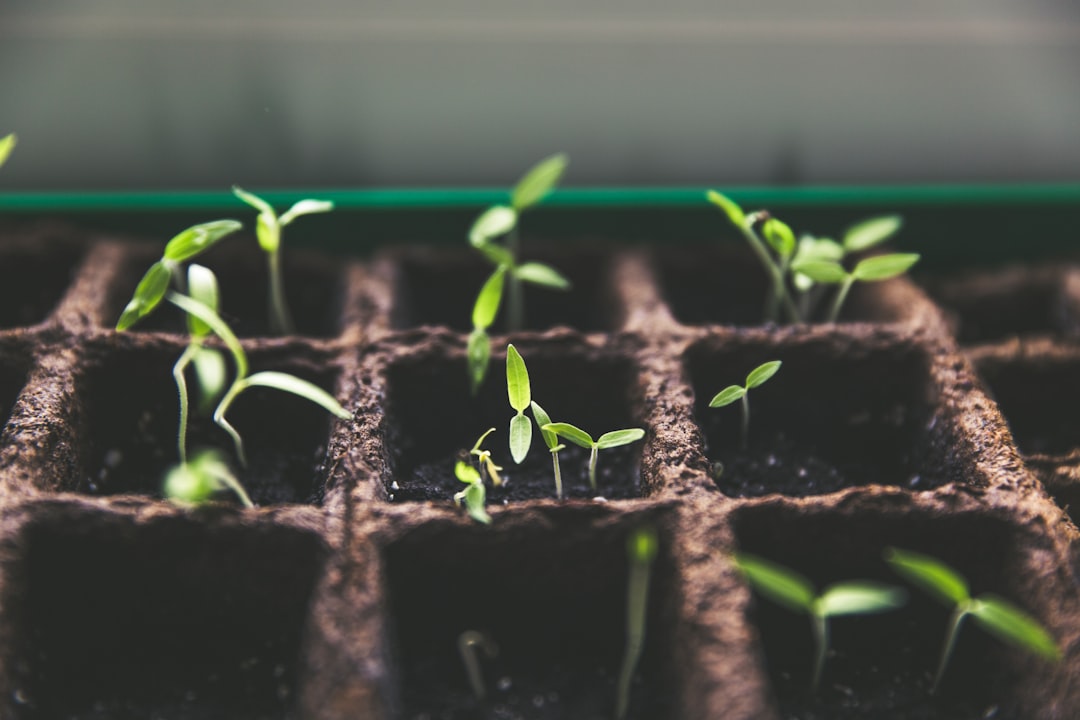
selective focus photo of plant spouts

Understanding the Parable of the Sower

The Parable of the Sower, found in the Bible in Matthew 13, Mark 4, and Luke 8, has been a subject of extensive contemplation and interpretation within Christian teachings. This parable concerns a Sower who scatters seed on four different types of ground, representing different responses to the gospel. Jesus explains that the seed represents the word of the kingdom, and the different types of ground represent different responses to the gospel. The main point of the parable is the importance of the condition of the heart in receiving the Word. Salvation is more than just hearing the gospel; it is proven through a changed life and fruitfulness.

The parable serves as a powerful metaphor for the different response's individuals have to the gospel, highlighting the importance of personal receptivity and spiritual understanding. For instance, the hard ground signifies those who are closed off to the teachings of the gospel, while the stony and thorny ground represent individuals who may initially receive the Word but are either unable to develop deep roots in their faith or are hindered by worldly concerns. On the other hand, the good ground serves as a representation of those who not only hear and understand the Word but also allow it to take root and produce a bountiful harvest in their lives. This vivid imagery provides a compelling insight into the diverse human responses to spiritual teachings and underscores the profound impact of the condition of the heart on the reception of the Word of God.

This parable serves as a foundational teaching within Christian communities, illustrating the transformative power of the gospel message and the significance of personal spiritual growth. It challenges individuals to examine the condition of their hearts and encourages them to cultivate a receptive and fertile spiritual disposition, allowing the Word of God to deeply impact and shape their lives. The imagery of the seeds falling on different types of ground paints a vivid picture of the varying responses to the teachings of the gospel, offering valuable lessons on the transformative potential of the Word and the role of personal receptivity in spiritual growth and understanding.

The parable's emphasis on the transformative nature of salvation and the concept of bearing spiritual fruit provides a profound lesson for believers. It underscores the idea that genuine salvation is evidenced by a life that reflects the teachings of the gospel and manifests spiritual growth. It challenges individuals to examine the condition of their hearts and encourages them to cultivate a receptive and fertile spiritual disposition, allowing the Word of God to deeply impact and shape their lives. This concept emphasizes the importance of having a receptive heart to the teachings of God and the challenges of spreading the Word. The parable also teaches hope and promise for those who hear and understand the gospel, providing assurance that those who internalize and embrace the teachings of Jesus Christ will experience spiritual growth and bear fruit in their lives.

Photo by Markus Spiske on Unsplash | Commercial use allowed

Different Interpretations of the Parable

The traditional interpretation of the Parable of the Sower, as found in the Bible, focuses on the symbolic representations of the different types of ground and their significance in understanding the response to the gospel. It stresses that salvation is more than just hearing the gospel; it is proven through a transformed life and the demonstration of fruitfulness. For example, the hard ground, stony ground, and thorny ground are depicted as representations of individuals who do not truly receive the Word, while the good ground symbolizes someone who not only hears and understands the Word but also allows it to bear fruit in their life. This interpretation underlines the transformative power of the Word and the condition of the heart as pivotal in determining the outcome of one's faith journey.

The Latter-day Saint (LDS) teachings place emphasis on personal agency, righteous living, and the role of temple ordinances in the context of salvation. The Atonement of Jesus Christ is considered central to all perspectives on salvation within the LDS faith, allowing for the forgiveness of sins and the potential for individuals to return to the presence of God. This emphasis influences the doctrinal teachings and practices within the LDS community, highlighting the importance of personal responsibility and the eternal significance of the Atonement. Moreover, Paul Gee's interpretation suggests that there might be a perspective within the Latter-day Saint community that hinders their ability to fully embrace the teachings of the Bible, thus affecting their understanding of salvation and other essential doctrines. 

Jesus is speaking to the Mormon people in Matthew, chapter 13. Their eyes are open to what their false church leaders and prophets have to tell them, but are closed off to what God could teach them through the Bible. They refuse to learn from Christians. Instead, they share their message, and if we are not interested, they usually end the conversation. This is because their eyes are closed off to the things of God we would share with them. For this reason, they are unable to learn what the Bible actually teaches when it comes to salvation, the atonement, marriage, the afterlife, the trinity, and more. If only they would allow themselves to listen to what we have to say, then they could unlearn what is false and draw near to God. Unfortunately, there (sic) eyes are closed, lest they open them and see what we are saying is true. Not only this but their hearts are waxed gross. This means that worldly matters mean more to them than God. Most of these people act one way at church and live another way outside those walls. Therefore, there (sic) desires to learn the things of God are often nonexistent if a Christian comes to talk with them.

He continues, and cites Matthew 10:34-37, in favor of his interpretation and assertion: 

As Jesus said, Mormon people ignore what Christians want to share with them “lest at any time they should see with their eyes and hear with their ears, and should understand with their heart, and should be converted, and I should heal them.” (Matthew 13:15) However, this is often too hard for Mormons to do. Denying what they have learned could lead to losing a friend, spouse, family member, and even their marriage in a divorce. They would lose their comfort in the Mormon system. Temple trips, Callings at church, church activities and more, would be no more. However, this is exactly what Jesus wants. For people to come into the true faith of Jesus no matter the cost if what He wants. Even if it causes division in the family, it is necessary for us to be saved. We should never deem what we have in life is more important than what God can do for us. Our comfort in different things does not help us in terms of being saved and going to heaven. Jesus taught that division within families is necessary for one to be converted and establish a relationship with Him.

This diverse range of interpretations demonstrates the impact of the parable on the teachings, doctrines, and faith of believers across different Christian communities, shaping their understanding of salvation, the kingdom of heaven, personal agency, and righteous living. The various interpretations of the Parable of the Sower significantly impact the understanding of salvation and its associated principles across different Christian denominations.

Influence on Christian Denominations

The influence of the Parable of the Sower extends to the beliefs and practices of different Christian denominations. For example, the traditional interpretation emphasizes the importance of the condition of the heart in receiving the Word and the subsequent demonstration of a changed life and fruitfulness as evidence of true salvation. This understanding shapes the teachings and practices of denominations that adhere to this interpretation, emphasizing the transformative power of the gospel and the Atonement of Jesus Christ in the lives of believers. The interpretation within the Latter-day Saint (LDS) teachings underscores the central role of personal agency, righteous living, and the significance of temple ordinances for salvation. The LDS perspective focuses on the Atonement of Jesus Christ as the pivotal factor that enables forgiveness of sins and provides the opportunity for individuals to return to God's presence. This emphasis influences the doctrinal teachings and practices within the LDS community, highlighting the importance of personal responsibility and the eternal significance of the Atonement. Moreover, alternative interpretations, such as that of Paul Gee, provide a different lens through which the Parable of the Sower is understood. Gee's interpretation suggests a unique viewpoint that contrasts with traditional and LDS teachings, contributing to a diverse landscape of beliefs and practices within Christian denominations. These various interpretations demonstrate the impact of the parable on the teachings, doctrines, and faith of believers across different Christian communities, shaping their understanding of salvation, the kingdom of heaven, personal agency, and righteous living.

Exploring the impact of interpretations of the parable on the teachings and practices of different Christian denominations provides valuable insights into the diverse theological perspectives within Christianity. It highlights the role of the parable in shaping the beliefs and practices of various Christian communities and underscores the profound influence of interpretations on the understanding of core doctrinal concepts such as salvation, the Atonement, and personal agency. This exploration sheds light on the diverse theological landscape within Christianity and the impact of interpretation on the beliefs and practices of believers across different denominations, contributing to a rich tapestry of faith and doctrinal understanding within the Christian tradition.

Examining the role of the Parable of the Sower in shaping the doctrine and faith of believers within various Christian communities offers valuable insights into the diverse theological perspectives within Christianity. It provides a deeper understanding of the impact of interpretation on the beliefs and practices of believers across different denominations, highlighting the profound influence of the parable on the understanding of core doctrinal concepts such as salvation, the Atonement, and personal agency. This exploration sheds light on the diverse theological landscape within Christianity and the impact of interpretation on the beliefs and practices of believers across different denominations, contributing to a rich tapestry of faith and doctrinal understanding within the Christian tradition. The various interpretations of the Parable of the Sower significantly impact the understanding of salvation and its associated principles across different Christian denominations.

Lessons and Messages

The Parable of the Sower holds significant teachings and messages that resonate with Christian believers across various denominations. One of the primary lessons conveyed in this parable is the importance of having a receptive heart to the teachings of God. The parable illustrates that individuals who possess hearts that are open and willing to receive the Word of God will bear fruit and lead fruitful lives, demonstrating the transformative power of a receptive heart. This concept emphasizes the idea that genuine spiritual growth and understanding stem from an open and willing heart to receive and apply divine teachings. Furthermore, the parable conveys hope and promise for those who hear and understand the gospel, providing assurance that those who internalize and embrace the teachings of Jesus Christ will experience spiritual growth and bear fruit in their lives. This message of hope is particularly impactful, as it instills a sense of purpose and optimism among believers, encouraging them to remain steadfast in their faith and dedication to understanding and living out the Word of God. The parable's emphasis on the transformative potential of the teachings of the gospel resonates deeply with the core of Christian faith and underscores the belief in the power of divine guidance and spiritual growth.

The Parable of the Sower holds significant teachings and messages that resonate with Christian believers across various denominations. One of the primary lessons conveyed in this parable is the importance of having a receptive heart to the teachings of God. The parable illustrates that individuals who possess hearts that are open and willing to receive the Word of God will bear fruit and lead fruitful lives, demonstrating the transformative power of a receptive heart. This concept emphasizes the idea that genuine spiritual growth and understanding stem from an open and willing heart to receive and apply divine teachings. Furthermore, the parable conveys hope and promise for those who hear and understand the gospel, providing assurance that those who internalize and embrace the teachings of Jesus Christ will experience spiritual growth and bear fruit in their lives. This message of hope is particularly impactful, as it instills a sense of purpose and optimism among believers, encouraging them to remain steadfast in their faith and dedication to understanding and living out the Word of God. The parable's emphasis on the transformative potential of the teachings of the gospel resonates deeply with the core of Christian faith and underscores the belief in the power of divine guidance and spiritual growth. The parable teaches hope and promise for those who hear and understand the gospel.

Relevance to Salvation

The Parable of the Sower holds significant relevance to the concept of salvation within Christian teachings. It emphasizes that salvation is not merely about hearing the gospel but is demonstrated through a transformed life and the fruition of spiritual fruit. This message is echoed in interpretations across various denominations, emphasizing the profound impact of the parable on the understanding of salvation. For example, in traditional Christian interpretations, the parable underscores the vital connection between the condition of the heart and salvation. The different types of soil symbolize the various responses to the Word of God, reflecting the readiness of individuals to receive salvation and allow it to take root in their lives. This interpretation aligns with the biblical teaching that genuine salvation results in spiritual transformation and a life characterized by the production of spiritual fruit. Moreover, in the Latter-day Saint (LDS) teachings, the concept of salvation is intricately tied to the Atonement of Jesus Christ. The LDS interpretation emphasizes personal agency, righteous living, and the significant role of temple ordinances in the process of salvation. It underscores the transformative power of the Atonement, which enables individuals to seek forgiveness for their sins and work towards returning to the presence of God. This perspective highlights the central role of the Atonement in enabling salvation and emphasizes the importance of aligning one's life with the teachings of Jesus Christ for spiritual growth and eventual exaltation. Thus, the various interpretations of the Parable of the Sower significantly impact the understanding of salvation and its associated principles across different Christian denominations.

The Parable of the Sower holds significant relevance to the concept of salvation within Christian teachings. It emphasizes that salvation is not merely about hearing the gospel but is demonstrated through a transformed life and the fruition of spiritual fruit. This message is echoed in interpretations across various denominations, emphasizing the profound impact of the parable on the understanding of salvation. For example, in traditional Christian interpretations, the parable underscores the vital connection between the condition of the heart and salvation. The different types of soil symbolize the various responses to the Word of God, reflecting the readiness of individuals to receive salvation and allow it to take root in their lives. This interpretation aligns with the biblical teaching that genuine salvation results in spiritual transformation and a life characterized by the production of spiritual fruit. Moreover, in the Latter-day Saint (LDS) teachings, the concept of salvation is intricately tied to the Atonement of Jesus Christ. The LDS interpretation emphasizes personal agency, righteous living, and the significant role of temple ordinances in the process of salvation. It underscores the transformative power of the Atonement, which enables individuals to seek forgiveness for their sins and work towards returning to the presence of God. This perspective highlights the central role of the Atonement in enabling salvation and emphasizes the importance of aligning one's life with the teachings of Jesus Christ for spiritual growth and eventual exaltation. Thus, the various interpretations of the Parable of the Sower significantly impact the understanding of salvation and its associated principles across different Christian denominations.

Impact on Personal Beliefs

The Parable of the Sower holds a significant influence on personal beliefs within Christian communities. For instance, the parable's portrayal of the different types of soil symbolically represents the condition of the human heart when receiving the Word of God. This imagery prompts individuals to reflect on the receptiveness of their own hearts towards spiritual teachings and the impact it has on their belief system. It leads to a deep consideration of personal faith and understanding of salvation, as the parable highlights the importance of having a receptive heart to the teachings of God. This introspection often results in a diverse range of personal interpretations, which in turn, shapes the individual's approach to living a righteous life. Furthermore, the influence of the Parable of the Sower on personal beliefs is evident in the contemplation of one's spiritual growth and fruitfulness in their faith journey. The parable's emphasis on the condition of the ground and the subsequent fruit produced from the seeds sown encourages believers to assess their own spiritual development and the impact of their beliefs on their actions and character. This contemplation often leads to a reevaluation of personal practices and behaviors, as individuals seek to align their lives with the teachings of the parable, ultimately shaping their approach to living a righteous and fruitful life in accordance with their faith. In summary, the Parable of the Sower not only influences personal beliefs within Christian communities but also prompts individuals to reflect on their faith, spirituality, and moral conduct, resulting in a diverse range of personal interpretations that impact their approach to living a righteous life.

The Parable of the Sower holds a significant influence on personal beliefs within Christian communities. For instance, the parable's portrayal of the different types of soil symbolically represents the condition of the human heart when receiving the Word of God. This imagery prompts individuals to reflect on the receptiveness of their own hearts towards spiritual teachings and the impact it has on their belief system. It leads to a deep consideration of personal faith and understanding of salvation, as the parable highlights the importance of having a receptive heart to the teachings of God. This introspection often results in a diverse range of personal interpretations, which in turn, shapes the individual's approach to living a righteous life. Furthermore, the influence of the Parable of the Sower on personal beliefs is evident in the contemplation of one's spiritual growth and fruitfulness in their faith journey. The parable's emphasis on the condition of the ground and the subsequent fruit produced from the seeds sown encourages believers to assess their own spiritual development and the impact of their beliefs on their actions and character. This contemplation often leads to a reevaluation of personal practices and behaviors, as individuals seek to align their lives with the teachings of the parable, ultimately shaping their approach to living a righteous and fruitful life in accordance with their faith. In summary, the Parable of the Sower not only influences personal beliefs within Christian communities but also prompts individuals to reflect on their faith, spirituality, and moral conduct, resulting in a diverse range of personal interpretations that impact their approach to living a righteous life.

Challenges and Perseverance

The Parable of the Sower underscores the challenges that individuals face in receiving and spreading the teachings of God. The depiction of the different types of soil and their responses to the seed symbolizes the obstacles and adversity encountered when sharing the gospel. The parable illustrates the resilience required to continue sowing the seeds of faith, despite the varied responses from different hearts. This perseverance is a fundamental aspect of the Christian faith, as believers are called to persist in their efforts to share the Word of God, even when faced with resistance and indifference. For instance, the parable's portrayal of the seeds falling on thorny ground, where the cares of the world choke the growth of the seed, serves as a powerful reminder of the challenges and distractions that individuals encounter in their spiritual journey. It encourages believers to remain steadfast in their faith and commitment to God's teachings, even in the face of adversity. In this way, the parable imparts a message of hope and determination, urging individuals to persevere in their efforts to spread the Word of God, despite the obstacles they may encounter. Moreover, the parable's focus on perseverance also emphasizes the responsibility of believers to continue sowing the seeds of faith, regardless of the initial reception. It underscores the importance of unwavering dedication and the endurance required to nurture spiritual growth. By highlighting the challenges inherent in spreading the gospel, the parable inspires believers to remain resolute in their faith and evangelistic endeavors, demonstrating the enduring nature of the Christian message and the unwavering commitment required to share it effectively.

The Parable of the Sower underscores the challenges that individuals face in receiving and spreading the teachings of God. The depiction of the different types of soil and their responses to the seed symbolizes the obstacles and adversity encountered when sharing the gospel. The parable illustrates the resilience required to continue sowing the seeds of faith, despite the varied responses from different hearts. This perseverance is a fundamental aspect of the Christian faith, as believers are called to persist in their efforts to share the Word of God, even when faced with resistance and indifference. For instance, the parable's portrayal of the seeds falling on thorny ground, where the cares of the world choke the growth of the seed, serves as a powerful reminder of the challenges and distractions that individuals encounter in their spiritual journey. It encourages believers to remain steadfast in their faith and commitment to God's teachings, even in the face of adversity. In this way, the parable imparts a message of hope and determination, urging individuals to persevere in their efforts to spread the Word of God, despite the obstacles they may encounter. Moreover, the parable's focus on perseverance also emphasizes the responsibility of believers to continue sowing the seeds of faith, regardless of the initial reception. It underscores the importance of unwavering dedication and the endurance required to nurture spiritual growth. By highlighting the challenges inherent in spreading the gospel, the parable inspires believers to remain resolute in their faith and evangelistic endeavors, demonstrating the enduring nature of the Christian message and the unwavering commitment required to share it effectively.

green bell pepper on brown soil

Historical Context

The historical context of the Parable of the Sower provides valuable insights into the agricultural practices and societal norms of biblical times. In this context, the audience would have been familiar with the process of sowing seeds and the significance of different types of soil. This familiarity would have allowed them to immediately understand the symbolism of the four types of ground mentioned in the parable. The historical context of agriculture in biblical times profoundly influenced the interpretation of the parable, highlighting the importance of the condition of the heart in receiving and responding to the Word of God.

Moreover, the parable's teachings have had a lasting impact on the historical development of Christian doctrines and teachings. The emphasis on the condition of the heart and the significance of producing fruit as a result of receiving the Word of God has been integral to the formation of Christian beliefs. This historical context has contributed to the understanding of salvation as more than just hearing the gospel, but as a transformational process that leads to a changed life and fruitfulness, as explained in the parable. The teachings of the Parable of the Sower have thus been foundational in shaping the theological framework of Christian faith and practice, resonating throughout history and continuing to influence Christian thought and interpretation.

Additionally, the historical context of the Parable of the Sower in biblical times is further exemplified by the agricultural practices of the ancient Near East. For instance, the method of sowing seeds by broadcasting them widely onto the soil was a common practice. This historical context can deepen our understanding of the parable's message, as it illustrates the indiscriminate spreading of the Word of God to people from all walks of life, irrespective of their readiness to receive it. This highlights the universal applicability of the parable's teachings and its relevance across diverse cultural and historical contexts, emphasizing the timeless nature of its message.


Comparing Interpretations

A detailed comparison of traditional, LDS, and other interpretations of the Parable of the Sower provides valuable insights into the diverse perspectives on this biblical passage. Traditional interpretations, as found in the Gospels of Matthew, Mark, and Luke, underscore the fundamental teaching that salvation is evidenced through a transformed life and fruitfulness, emphasizing the individual's responsibility in responding to the message of the kingdom of God. These interpretations highlight the significance of the condition of the heart in receiving God's Word and bearing fruit, shaping the beliefs and practices of Christian denominations that adhere to these traditional views.

In contrast, the Latter-day Saints (LDS) interpretation of the Parable of the Sower offers distinctive insights into the relationship between the parable and salvation. The emphasis on personal agency and the role it plays in spiritual growth and salvation distinguishes the LDS interpretation from traditional views. This unique perspective places greater emphasis on the individual's choices and actions in response to the gospel message, thereby influencing the understanding of personal agency and the process of salvation within the LDS faith.

Furthermore, alternative interpretations of the parable may focus on the challenges encountered in spreading the Word of God and the perseverance required in this endeavor. These interpretations may shed light on the significance of determination and steadfastness in the face of obstacles, offering valuable insights into the practical aspects of living out the teachings of Jesus Christ in the modern world. For example, some interpretations may draw attention to the role of missionary work and evangelism, emphasizing the need for resilience and unwavering commitment to sharing the gospel message despite various obstacles and rejections. Ultimately, the various interpretations of the Parable of the Sower significantly shape the beliefs and practices of their respective followers, impacting their understanding of the kingdom of heaven, personal agency, and righteous living in profound ways.

Moreover, the Parable of the Sower has also been subject to interpretations within scholarly and theological circles, leading to diverse perspectives on its meaning and implications. For instance, theologians and biblical scholars have explored the cultural and historical context of the parable to elucidate its relevance and application in contemporary Christian theology. This scholarly engagement with the parable has resulted in a rich tapestry of interpretations, offering nuanced insights into the multifaceted nature of its teachings and their implications for Christian faith and practice. These diverse scholarly interpretations contribute to the ongoing discourse surrounding the parable, enriching the understanding of its significance across different theological traditions and denominations.

Modern Application

The teachings of the Parable of the Sower continue to be applied in contemporary Christian communities and individual lives in various ways. For instance, in many Christian denominations, the parable's emphasis on the condition of the heart and its relevance in determining the reception of God's Word is still widely taught and applied. This is evident in sermons, Bible studies, and theological discussions that focus on the significance of having a receptive heart to the teachings of God. Congregations often use the parable to encourage spiritual growth and fruitfulness among their members, emphasizing the need for a genuine and deep-rooted understanding of the gospel to produce abundant spiritual fruit in their lives.

Furthermore, the parable's message is also relevant in addressing current challenges and spreading the gospel. For example, in today's fast-paced and secular world, Christians often encounter various distractions, temptations, and competing ideologies that can hinder their spiritual growth. The Parable of the Sower provides a timeless lesson about perseverance and determination in spreading the Word of God, reminding believers of the importance of staying rooted in their faith despite the challenges they face. This modern application is especially crucial in empowering individuals to navigate the complexities of contemporary society while remaining steadfast in their commitment to the teachings of Jesus Christ.

In addition to its application in individual and communal spiritual contexts, the Parable of the Sower also finds resonance in the realm of Christian missions and evangelism. The parable's teachings on sowing seeds and the different responses of the soil serve as a powerful metaphor for the challenges and opportunities encountered in missionary endeavors. Missionaries and evangelists often draw inspiration from the parable to underscore the significance of persevering in sharing the gospel, even in the face of resistance and apathy. The parable's message of hope and the transformative power of the Word of God continues to motivate and guide missionary efforts around the world, shaping the strategies and approaches employed in spreading the message of Jesus Christ to diverse cultures and communities.

Exploring Different Interpretations and Their Impact

The historical context and diverse interpretations of the Parable of the Sower have had a profound impact on Christian teachings and doctrines over the centuries. For instance, the traditional interpretation emphasizes the significance of having a receptive heart to the teachings of God and the importance of personal responsibility in responding to His Word. This has led to the development of Christian teachings that stress the transformative power of the Word of God and the role of the individual in fostering spiritual growth.

In contrast, the interpretation of the Parable of the Sower in the Latter-day Saint (LDS) tradition introduces unique perspectives on salvation and the Atonement of Jesus Christ. The LDS interpretation places emphasis on the transformative nature of the Atonement and the role of personal agency in the process of spiritual development. This has shaped the beliefs and practices of the LDS community, highlighting the significance of individual choices and actions in their journey towards salvation.

Furthermore, alternative interpretations of the parable, such as those that challenge traditional views, have sparked discussions and prompted re-evaluations of long-held beliefs within Christian denominations. These alternative perspectives often shed light on different aspects of the parable, encouraging believers to consider new angles and deeper meanings of the teachings. This has led to a more comprehensive understanding of the parable's message and its implications for personal faith and righteous living. For example, some alternative interpretations may focus on the socio-political dimensions of the parable, drawing parallels between the different types of soil and the societal conditions that either facilitate or hinder the reception of the gospel message. This broader exploration of the parable's implications has contributed to a more holistic understanding of its relevance in addressing contemporary social and ethical challenges.

Moreover, the impact of different interpretations of the Parable of the Sower extends beyond doctrinal considerations and theological discourse. The diverse perspectives on the parable have influenced the approach to pastoral care and spiritual counseling within Christian communities. For instance, the emphasis on the condition of the heart in traditional interpretations has informed the pastoral strategies employed to nurture and guide individuals in their spiritual journey. This includes providing support and guidance to cultivate receptive hearts and encourage spiritual fruitfulness among believers. Similarly, the emphasis on personal agency in alternative interpretations has influenced pastoral approaches that empower individuals to take an active role in their spiritual growth and decision-making, fostering a sense of ownership and responsibility in their faith journey.

In addition to its impact on theological discourse and pastoral care, the Parable of the Sower has also inspired artistic and creative expressions within the Christian tradition. This biblical passage has been the subject of numerous artistic interpretations, including paintings, sculptures, music, and literature. These artistic expressions often seek to capture the essence of the parable's message and its profound teachings through visual and auditory mediums. For example, renowned artists throughout history have depicted scenes from the Parable of the Sower, each offering a unique portrayal that reflects their interpretation of the parable's themes and symbolism. These artistic renditions serve to enrich the understanding of the parable's significance and its enduring impact on the creative imagination of artists across different cultures and time periods.

In conclusion, the historical context and diverse interpretations of the Parable of the Sower have contributed to its enduring relevance and profound impact on Christian teachings, beliefs, and practices. The parable's timeless message continues to inspire and guide individuals and communities in their spiritual journey, offering valuable insights into the transformative power of the Word of God and the significance of the condition of the heart in receiving and bearing fruit. As diverse interpretations continue to shape the theological landscape and cultural expressions within Christianity, the Parable of the Sower remains a poignant reminder of the universal call to cultivate receptive hearts and sow the seeds of God's Word in the world.