Monday, January 26, 2026

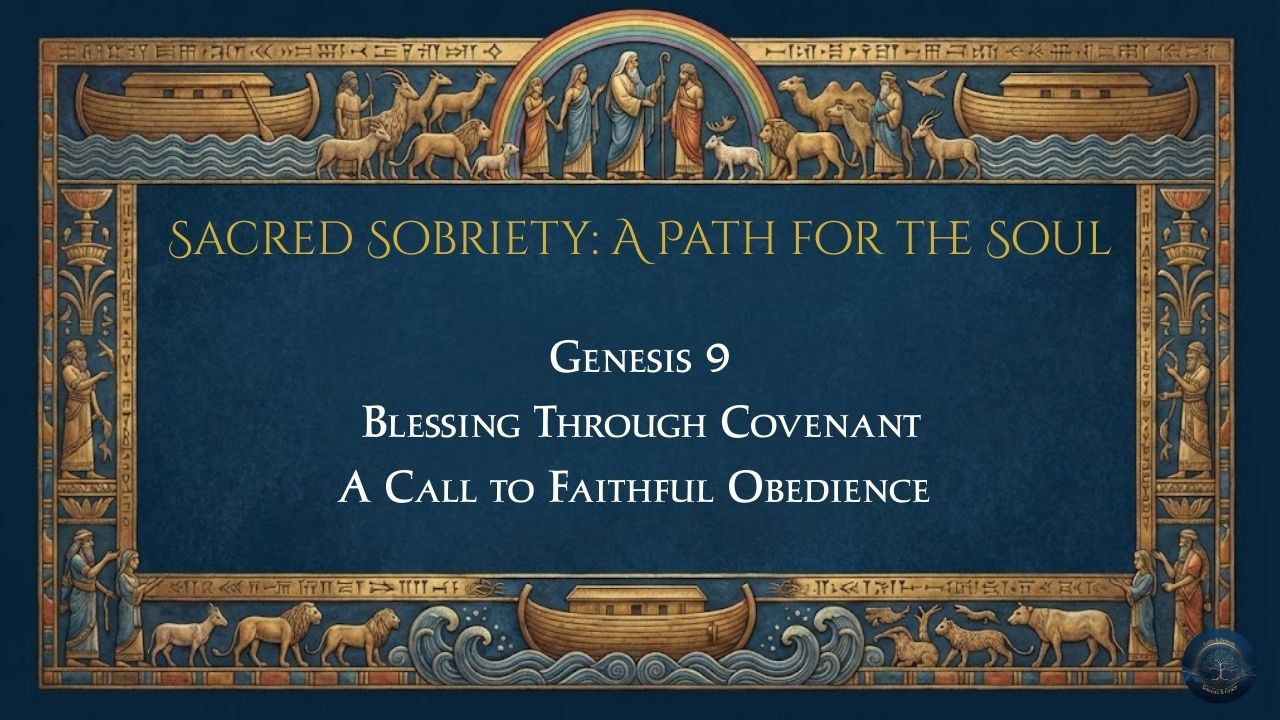
Sacred Sobriety: Genesis 9:1, 9 - "Blessing Through Covenant: A Call to Faithful Obedience"

Sacred Sobriety: Genesis 9:1, 9 - "Blessing Through Covenant: A Call to Faithful Obedience"

There are moments in recovery when God speaks into the ruins of what we once knew and calls us into a future we cannot yet imagine. Infusing hope into our despair and urging us to rise from the ashes. Genesis 9 is one of those profound moments—a divine reset after devastation, where God re-establishes His promise to humanity and paints a picture of renewal amidst chaos. In this chapter, God blesses Noah, not because Noah was perfect, but because Noah walked in faithful obedience, demonstrating a heart attuned to divine guidance and a spirit willing to follow. This blessing is significant, as it serves to remind us that grace is often bestowed upon those who trust in the journey. Despite our limitations, weaknesses, and imperfections. Blessing always flows through covenant, and covenant always calls us into disciplined trust, inviting us to anchor our lives in faith and to embrace a transformative path that leads us closer to God’s vision for our lives. Through this covenant, we are reminded that even in our lowest moments, there is an opportunity for restoration and purpose, as God's faithfulness paves the way for our own renewed journey.

Hello and welcome back, fellow travelers, to our ongoing devotional series as we walk through the Old Testament as part of our journey through recovery and thriving in faith and sobriety. Whether you are navigating codependency, toxic relationships, addiction, fear, shame, or guilt, this space is for you—a sanctuary where we can gather, reflect, and support one another in our individual struggles and triumphs. Genesis 9 meets us in the aftermath of storms—when the floodwaters have receded, but the memories remain, lingering like shadows in our hearts and minds. It reminds us that God does not simply rescue; He restores, renews, and re‑commissions, breathing new life into our weary souls. His blessings are not random—they are covenantal, intentional, and deeply relational, woven into the tapestry of our lives and designed to uplift us in our darkest moments. As we revisit these passages, let us open our hearts to the transformative power of His love and grace, allowing it to guide us toward healing and wholeness on this sacred path of faith.

Anchor Verse - Genesis 9:1, 9 (NASB202)

Then God blessed Noah and his sons and said to them, ‘Be fruitful and multiply, and fill the earth.’ … ‘Now behold, I Myself am establishing My covenant with you, and with your descendants after you.’

Sunday, January 25, 2026

The Zen of Storytelling: How Mindfulness Elevates Fiction Writing

The Zen of Storytelling: How Mindfulness Elevates Fiction Writing

"Good company in a journey makes the way seem shorter." — Izaak Walton

We have all been there. You sit in front of your blank screen, staring at the blinking cursor, that relentless metronome of your creative anxiety. You wait eagerly for a scene to spark to life, but often, the characters feel disappointingly flat, their dialogue forced and lacking depth. You know how to write sentences; you’ve mastered the mechanics of language, yet you find yourself struggling to capture the soul of the story that desperately wants to be told.

What truly separates a technically "good" writer from a truly successful storyteller? It's a question that many aspiring authors grapple with, and the answer extends far beyond having a larger vocabulary or a better grasp of grammar. It lies in the ability to tap into deep emotional truths and translate them onto the page. Successful writing is not merely a skill; it is a spiritual conduit through which creativity flows. It possesses the power to provoke emotional experiences, inspire profound actions, and facilitate an awakening in your reader's heart and mind.

But there’s a catch: you cannot take a reader somewhere you haven't journeyed yourself. Your own experiences, emotions, and insights are the raw materials from which great stories are crafted. This is precisely where mindfulness enters the equation, bridging the gap between technique and authenticity in a writer's narrative.

The techniques I will share with you are not mere abstract creative theories; they are rooted in psychological principles that I have effectively utilized in clinical settings—particularly during my work with patients in outpatient clinics. These methods have been crucial in helping individuals process complex emotions and navigate their internal conflicts. If these simple yet powerful tools can assist someone in rebuilding their life narrative in a therapeutic context, just imagine the tremendous impact they can have on your characters and the authenticity of your storytelling.

To write a character that feels alive and breathing, you must first master the art of observation. This journey begins with being a disciplined student of the present moment. Becoming fully immersed in your observations not only enhances your writing but also enriches your life experience. Pay attention to the world around you—notice the nuances of human behavior, the subtleties of emotion woven into everyday interactions. Each detail you capture becomes a thread in the tapestry of your story, adding complexity and richness.

What makes a writer successful? Often, we equate success with an impressive vocabulary, intricate plot structures, or even lucrative publishing deals. But the truth is that true success starts from within. It stems from a deep understanding that writing is a vital life skill—an empowerment that allows us to express our ideas, passions, and fears convincingly.

Beyond skill, however, writing is fundamentally a passion for sharing stories. We write to provoke emotional experiences, to spark spiritual awakenings, and to bring people to action or awareness. Each story is an opportunity to connect deeply with others, to offer insights, and to create a space for conversation and understanding.

So, how do we bridge the gap between technical skill and emotional resonance? The answer lies in Mindfulness. A successful writer is one who is not just knowledgeable but is also disciplined in observation and attuned to the subtleties of life. By utilizing mindfulness as a tool, you can enhance your storytelling experience, make it more impactful, and breathe life into your characters, allowing them to resonate deeply with your readers.

As you embark on this journey of becoming not just a writer, but a true storyteller, remember that your experiences, your awareness, and your practice of mindfulness can make all the difference. Dive deep into your emotions, observe the world with intent, and let your heart guide your pen; in doing so, you will discover the magic of storytelling that lies within you.

CFM - Jan 26 - Feb 1 | Genesis 5; Moses 6: "Teach These Things Freely unto Your Children"

CFM - Jan 26 - Feb 1 | Genesis 5; Moses 6: "Teach These Things Freely unto Your Children"

Many of us most likely assume the gospel began in the New Testament. Yet Genesis 5 and Moses 6 reveal something astonishing: the fullness of the gospel—faith in Christ, repentance, baptism, the Holy Ghost, priesthood, and covenant discipleship—was taught from the very beginning. These chapters unveil a sweeping narrative of divine instruction, generational faithfulness, and the sacred responsibility to teach truth to rising generations.

For many of us, navigating a morally chaotic world can be incredibly challenging. In these turbulent times, these chapters offer a profound blueprint for spiritual resilience. The teachings found within Genesis and Moses not only provide guidance but also serve as a reminder that the principles of the gospel are timeless. They anchor us in our faith and help us to cultivate a sense of moral clarity amid confusion and chaos. For those in recovery, these scriptures reveal the ancient pattern of redemption, rebirth, and transformation through Christ, showcasing how individuals have consistently turned to God for restoration and new beginnings.

This study for the Come Follow Me - Old Testament invites us to delve deeply into the genealogies, doctrines, and prophetic ministries of pivotal figures like Adam, Seth, and Enoch, along with their descendants. It illuminates the remarkable legacy of faith that was passed down through generations. The narratives of these early prophets illustrate how their teachings and life experiences reflect Christ’s redemptive work. They emphasize the importance of our covenantal responsibility to “teach these things freely unto your children” (Moses 6:58), urging us to carry forward the torch of faith and truth to future generations.

As we engage with these ancient texts, we not only gain insights into the foundations of our beliefs but also discover the imperative to be proactive stewards of spiritual knowledge. In doing so, we can empower those around us to withstand the pressures of the world, fostering a community that thrives on the principles of the gospel. By sharing the stories and teachings of our ancestors, we reaffirm the enduring relevance of their faith and the everlasting hope that can be found in Christ.

Saturday, January 24, 2026

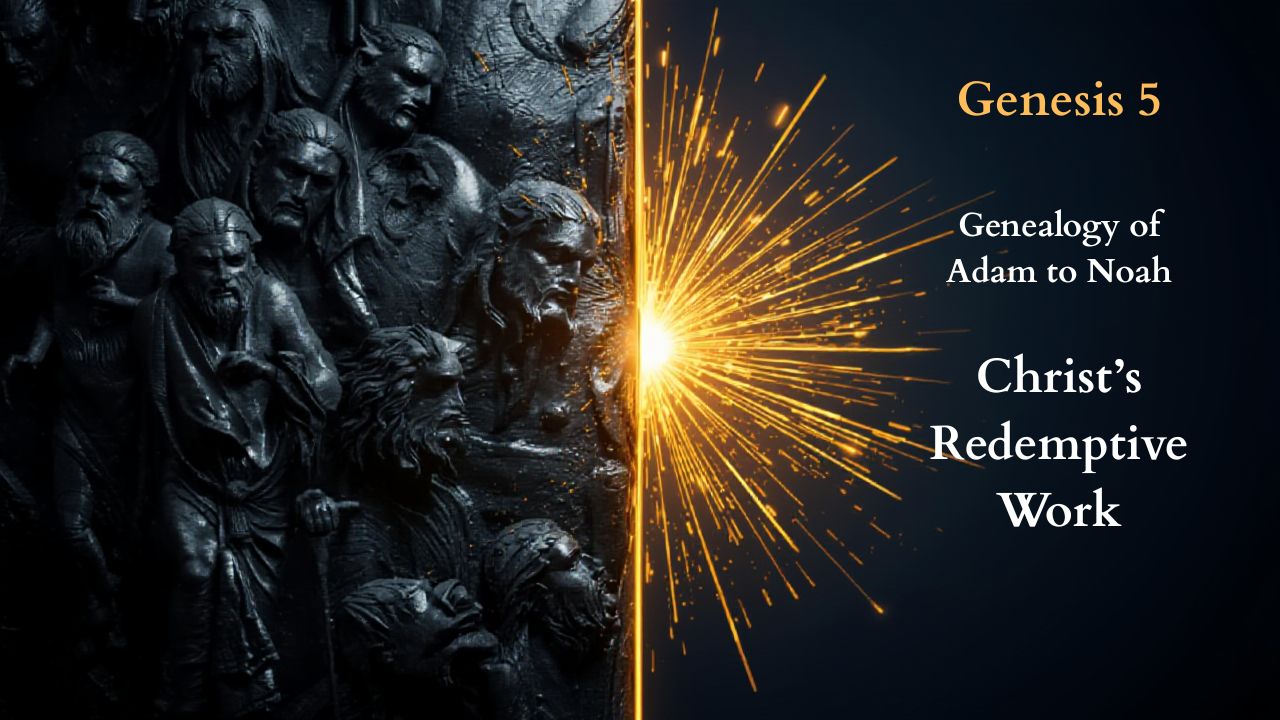
Discover Christ’s Redemptive Work Through the Genealogy of Genesis 5

Discover Christ’s Redemptive Work Through the Genealogy of Genesis 5

Have you ever paused to wonder why genealogies exist in the Bible, especially Genesis 5? To many, it might seem like just a list of names and ages, but there’s profound meaning hidden within the lineage from Adam to Noah. Far from being dry details, these names reveal God’s redemptive plan and reflect His mercy, grace, and call to righteousness. Each figure, from Adam to Noah, carries a deeper message about faith, obedience, and the promises fulfilled through Christ, serving as testimonies of faithfulness that transcend generations.

This genealogy illustrates how God's purpose unfolds through history, highlighting the significance of each individual's role in the divine narrative. Each name serves as a bridge, connecting various aspects of God's work in the world, linking us to the ancestors of our faith. By tracing the lineage from Adam, who represents humanity's fall, to Noah, who represents a fresh start for mankind, we see the movement of God’s grace through generations, emphasizing that even in chaos, God remains sovereign.

Connecting the dots between the past and the future is essential in understanding the full narrative of Scripture. The genealogy emphasizes the importance of lineage in carrying forth God's promises. It’s a vivid reminder that history is not just a series of events but is intricately woven into the tapestry of divine purpose. The names on this list are not mere placeholders; they embody individuals called and chosen by God, each with unique stories that contribute to the unfolding of His redemptive plan.

This genealogy isn’t just history—it’s a portrait of God’s covenant, showcasing the hope that arises from His faithful promises. It is also a reminder of His ongoing work in the lives of His people, demonstrating that every name represents a story of perseverance and hope, echoing across time. These genealogies remind us that God's plan is both personal and universal, extending beyond individual lives to encompass all of humanity.

If you’ve ever felt burdened by sin or wondered how God’s love extends through time, this chapter holds answers that could reshape your understanding of redemption. It invites us to reevaluate the narrative of our lives, revealing that God's grace is not limited by our human frailty but is ever-present, inviting us into His family regardless of our past mistakes. Each name serves as a testament that redemption is available, underscoring the truth that God actively works through His people, weaving their stories into a larger, divine story of love, grace, and hope that is eternal. As believers, we are called to reflect on our own heritage of faith, embracing the lessons learned from those who walked before us in their journeys of trust and obedience.