Showing posts with label Come Follow Me 2026. Show all posts

Sunday, August 30, 2026

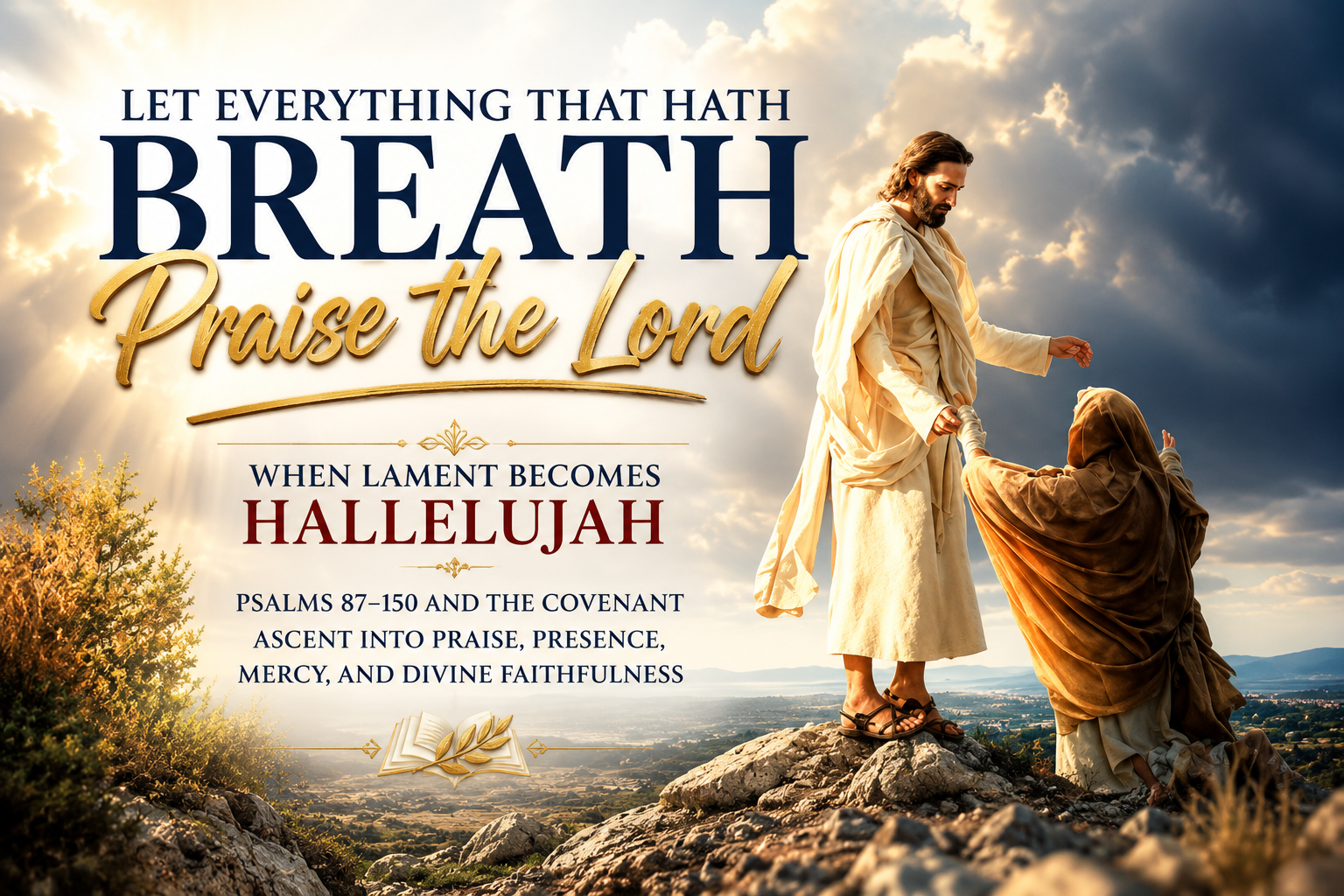
Let Everything That Hath Breath Praise the Lord: When Lament Becomes Hallelujah

Let Everything That Hath Breath Praise the Lord: When Lament Becomes Hallelujah

Psalms 87–150 and the Covenant Ascent into Praise, Presence, Mercy, and Divine Faithfulness


The closing movement of the Psalms rises like a liturgical crescendo, but it does not reach hallelujah by pretending that suffering never happened. It carries affliction, exile, mortality, repentance, unanswered questions, and covenant longing into the presence of God. There, pain is neither minimized nor given the final word. Psalms 87–150 teach that biblical praise is more than religious enthusiasm. Praise is covenant memory: the deliberate act of remembering who God is, what He has done, and why His faithfulness remains trustworthy when life feels unsteady.

This Christ-centered Come, Follow Me study focuses on the 2026 reading assignment—Psalms 102–103; 110; 116–119; 127–128; 135–139; and 146–150—while placing those texts within the wider closing movement beginning with Zion in Psalm 87. Together, these psalms reveal the Lord as Creator, covenant Keeper, healer, righteous King, and refuge of the afflicted. They point Christian readers toward Jesus Christ as the enthroned Lord, eternal High Priest, rejected Cornerstone, and compassionate Savior. The Psalter finally summons every instrument, every nation, and “every thing that hath breath” to praise the Lord—not because mortality is painless, but because mercy endures, God reigns, and the road home remains open.

Reading the Closing Psalms as a Covenant Journey

The traditional Jewish name for the Psalter is Tehillim, “Praises.” That title may initially seem surprising because the book contains grief, protest, confession, fear, anger, royal celebration, wisdom instruction, and even prayers that make modern readers uncomfortable. Yet the name tells us where the whole collection is headed. The Psalms do not say that every moment feels praiseworthy. They teach the covenant people how to bring every moment—including the most painful one—before the God who is worthy of praise. The 2026 Come, Follow Me lesson similarly emphasizes that praise can take the form of singing, praying, bearing testimony, and deepening our commitment to follow the Lord.

Biblical scholar Walter Brueggemann famously describes a recurring movement in the Psalms from orientation, through disorientation, into a new orientation. That pattern is not a mechanical formula, and not every psalm moves through all three stages. It is nevertheless a helpful pastoral lens. Faith begins with received assurances about God and the world; suffering then destabilizes what once seemed secure; grace finally creates a renewed confession that has passed through pain rather than bypassed it. The resulting praise is deeper because it is no longer naïve. It has learned that lament can be faithful speech and that worship can survive the night.

The final two books of the Psalter, Psalms 90–106 and 107–150, also answer the crisis left by the apparent collapse of Davidic kingship in Psalm 89. Human thrones fail, generations pass, and Israel experiences exile, but the Lord remains King. Torah still gives light. Zion still represents divine presence and covenant hope. The final five psalms then gather the entire creation into praise. Canonical scholars such as Gerald H. Wilson and the authors of The Book of Psalms have therefore encouraged readers to attend not only to each psalm individually but also to the theological meaning created by the Psalter’s final arrangement. The destination of this prayer book matters: after every lament has been heard, the last canonical word is hallelujah.

A Note on the Reading Range

The official August 31–September 6, 2026, Come, Follow Me assignment includes Psalms 102–103; 110; 116–119; 127–128; 135–139; and 146–150. This study briefly uses Psalms 87–93 as a bridge from Zion to divine kingship and then concentrates on the assigned passages. That wider frame preserves the larger canonical ascent without confusing the supplemental material with the official reading list.

Sunday, August 16, 2026

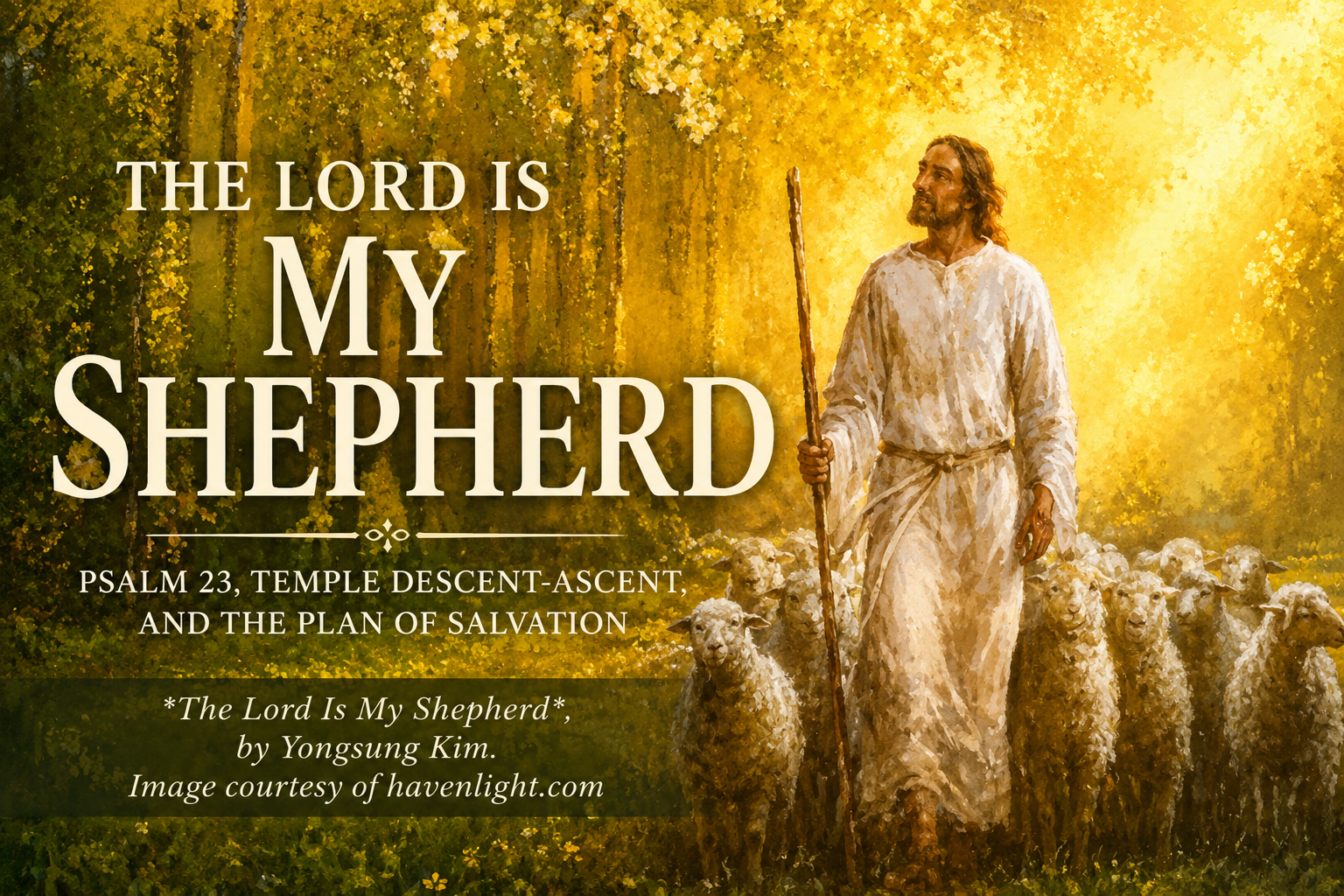
"The Lord Is My Shepherd": Psalm 23, Temple Descent-Ascent, and the Plan of Salvation

"The Lord Is My Shepherd": Psalm 23, Temple Descent-Ascent, and the Plan of Salvation

A Come, Follow Me Study for August 17-23, 2026: Psalms 1-2; 8; 19-33; 40; 46

"For thou art with me." - Psalm 23:4

Most of us first learned Psalm 23 as a psalm of comfort. We hear it at funerals, repeat it in hospital rooms, and reach for it when grief has stripped life down to its most difficult questions. That use is neither accidental nor misplaced. Yet Psalm 23 does more than assure us that God will remain near when we die. It poetically traces an entire journey: the Lord provides, restores, guides, accompanies, protects, welcomes, anoints, and finally brings the worshipper into His house.

That movement makes Psalm 23 especially meaningful for Latter-day Saints. Its imagery can be read as a temple-shaped journey from ordered life into mortal darkness and then upward into covenant fellowship and the presence of God. Read within the immediate sequence of Psalms 22-24, the pattern becomes even more striking: lament and suffering in Psalm 22, the Shepherd's presence in Psalm 23, and ascent to the holy hill with the King of glory in Psalm 24. Nancy deClaissé-Walford's intertextual study similarly argues that these three neighboring psalms form a powerful statement of trust when read together (deClaissé-Walford 139-52).

This interpretation requires one careful qualification. Psalm 23 is not demonstrably a word-for-word transcript of an ancient Israelite temple ceremony, and the full Latter-day Saint plan of salvation should not be projected backward into every Hebrew phrase as though the psalmist were writing a systematic doctrinal manual. Psalm 23 is commonly classified as a psalm of trust or confidence, while a pilgrimage setting that culminates at the temple remains a respected scholarly proposal rather than an uncontested conclusion (Smith 61-66; Tappy 255-80). The temple and plan-of-salvation reading offered here is therefore a disciplined canonical and theological synthesis: it begins with what the Hebrew poem says, follows the intertextual patterns the Psalter supplies, reads the psalm through Jesus Christ, and then asks how Restoration scripture enlarges its hope.

What Come, Follow Me Actually Assigns for August 17-23

The official 2026 reading is often abbreviated as "Psalms 1-46," but the assigned passages are selections rather than every chapter in that range: Psalms 1-2; 8; 19-33; 40; and 46. The manual invites readers to notice the Psalms' vivid images of the Savior, including the green pastures, still waters, rod, staff, and overflowing cup of Psalm 23. It then connects Psalm 24's "hill of the Lord" with the temple and with preparation to enter the presence of God (Come, Follow Me).

The broader three-week schedule is also selective. August 24-30 covers Psalms 49-51; 61-66; 69-72; 77-78; and 85-86, while August 31-September 6 covers Psalms 102-103; 110; 116-119; 127-128; 135-139; and 146-150. Keeping the actual readings clear strengthens the study because it allows Psalm 23 to function as the focal text for this week without forcing an artificial structure onto every psalm from 1 through 46.

Sunday, August 9, 2026

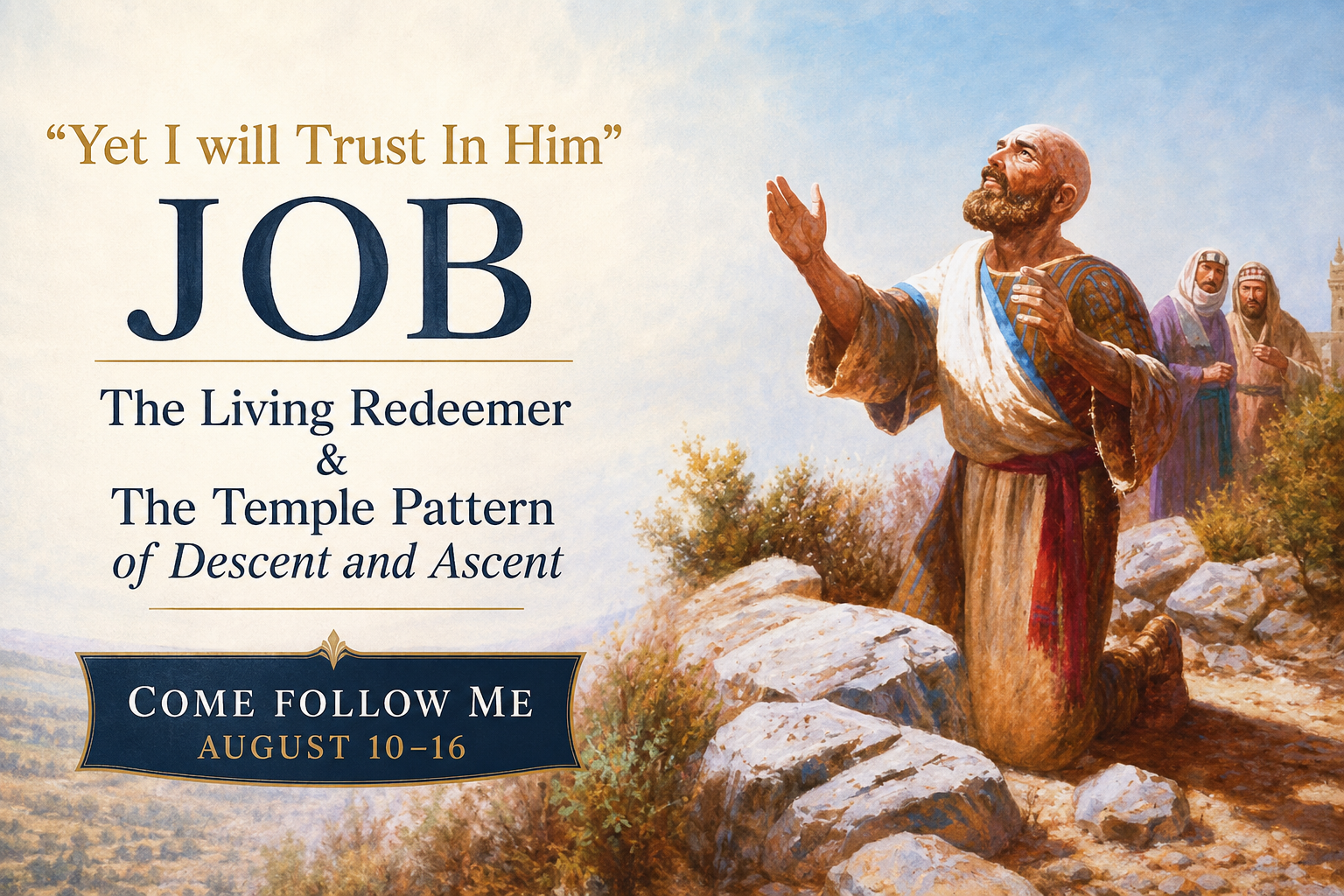
"Yet Will I Trust in Him": Job, the Redeemer, and the Temple Pattern of Descent and Ascent

"Yet Will I Trust in Him": Job, the Redeemer, and the Temple Pattern of Descent and Ascent

How suffering, covenant faithfulness, divine perspective, and restoration reveal the plan of salvation

What do we do when life falls apart—not because we have walked away from God, but while we are doing our best to remain faithful to Him? What do we say when prayer does not immediately change the diagnosis, restore the relationship, return what was lost, or explain why a righteous person has been permitted to suffer? Those questions are not signs of spiritual failure. They are among the deepest questions of mortality, and the book of Job refuses to answer them with a slogan.

Job is not a story about a man who never struggled. He grieved, protested, questioned, and pleaded for God to answer him. He described himself as stripped of glory, surrounded by darkness, abandoned by loved ones, and unable to find the God he still longed to meet. Yet his anguish never became indifference. Job kept turning toward God, even when he could not understand God. His questions and his faith occupied the same ash heap.

That is the spiritual tension at the heart of the 2026 Come, Follow Me lesson on Job. The manual emphasizes that faith in Job is questioned and tested without being completely abandoned. Not every question receives an explanation, but questions can coexist with faith. Job therefore becomes more than a case study in the problem of evil. He becomes a witness of what covenant trust looks like when familiar answers no longer seem adequate.

Read as a whole, Job is a temple-shaped wisdom drama of descent, covenant testing, divine encounter, intercession, and restoration. Its movement carries Job from abundance into ashes, from ashes into argument, from argument toward a living Redeemer, and from limited mortal understanding into the presence of God. The book does not merely ask, “Why do righteous people suffer?” It presses us toward a more searching question: How does a covenant disciple remain faithful until God reveals a larger perspective through the living Redeemer?

How Should We Read the Book of Job?

The first step in responsible expository teaching is to respect the kind of literature we are reading. Job begins with a prose prologue in chapters 1–2, moves into an extended poetic body in chapters 3–41, and returns to prose in the concluding portion of chapter 42. Within the poetic core are Job’s lament, three cycles of debate with Eliphaz, Bildad, and Zophar, Job’s extended defense, the speeches of Elihu, and the Lord’s response from the whirlwind. This carefully arranged structure is one reason Job should not be read as if it were a modern courtroom transcript.

The Religious Studies Center essay “Hast Thou Considered My Servant Job?” acknowledges both the possible historical foundation of Job and the book’s evident literary shaping. Modern scholarship commonly classifies Job as wisdom literature, but that label does not exhaust the book. Will Kynes notes that Job can also be read through the lenses of lament, drama, controversy dialogue, lawsuit, exemplary sufferer narrative, epic, prophecy, and apocalyptic literature. Carol A. Newsom describes the book as a contest of moral imaginations because Job and his interlocutors do not simply exchange information; they present competing visions of God, justice, suffering, and human righteousness.

This literary awareness also helps us understand the heavenly scene in Job 1–2. The Come, Follow Me manual explains that these chapters poetically emphasize Satan’s role as adversary or accuser and should not be treated as a literal transcript of a conversation between God and Satan. The scene reveals the theological issue driving the drama: Is Job’s devotion genuine, or is it merely the price he pays for prosperity and protection? The question is not only whether Job will survive suffering. The question is whether worship can remain worship when the expected rewards disappear.

Catherine Petrany sharpens this literary observation by attending to the Hebrew expression ha-satan, “the adversary” or “the accuser.” The definite article makes the expression function like a title rather than a personal name. Within Job’s ancient heavenly-court scene, this figure roams, investigates, and prosecutes a case; he is not yet portrayed with every feature that later Jewish and Christian texts associate with the Devil. That historical distinction explains the role this character plays in Job without requiring Latter-day Saint readers to discard restored teachings about Satan’s premortal rebellion. The disciplined approach is to let Job’s prologue define the accuser’s narrative function, then let the wider canon supply additional doctrine without forcing all later details back into two poetic chapters.

To call Job a wisdom drama, or even to recognize mythic and liturgical dimensions in it, is not to call it false. In biblical studies, mythic can describe a narrative’s use of cosmic imagery, creation symbolism, heavenly councils, chaos creatures, and archetypal conflict. Liturgical can describe patterns of mourning, petition, divine encounter, sacrifice, and restored communion. Those categories help us see how Job’s personal anguish is placed within a cosmic frame without requiring us to deny that the story may preserve the memory of a real righteous sufferer.

Saturday, August 8, 2026

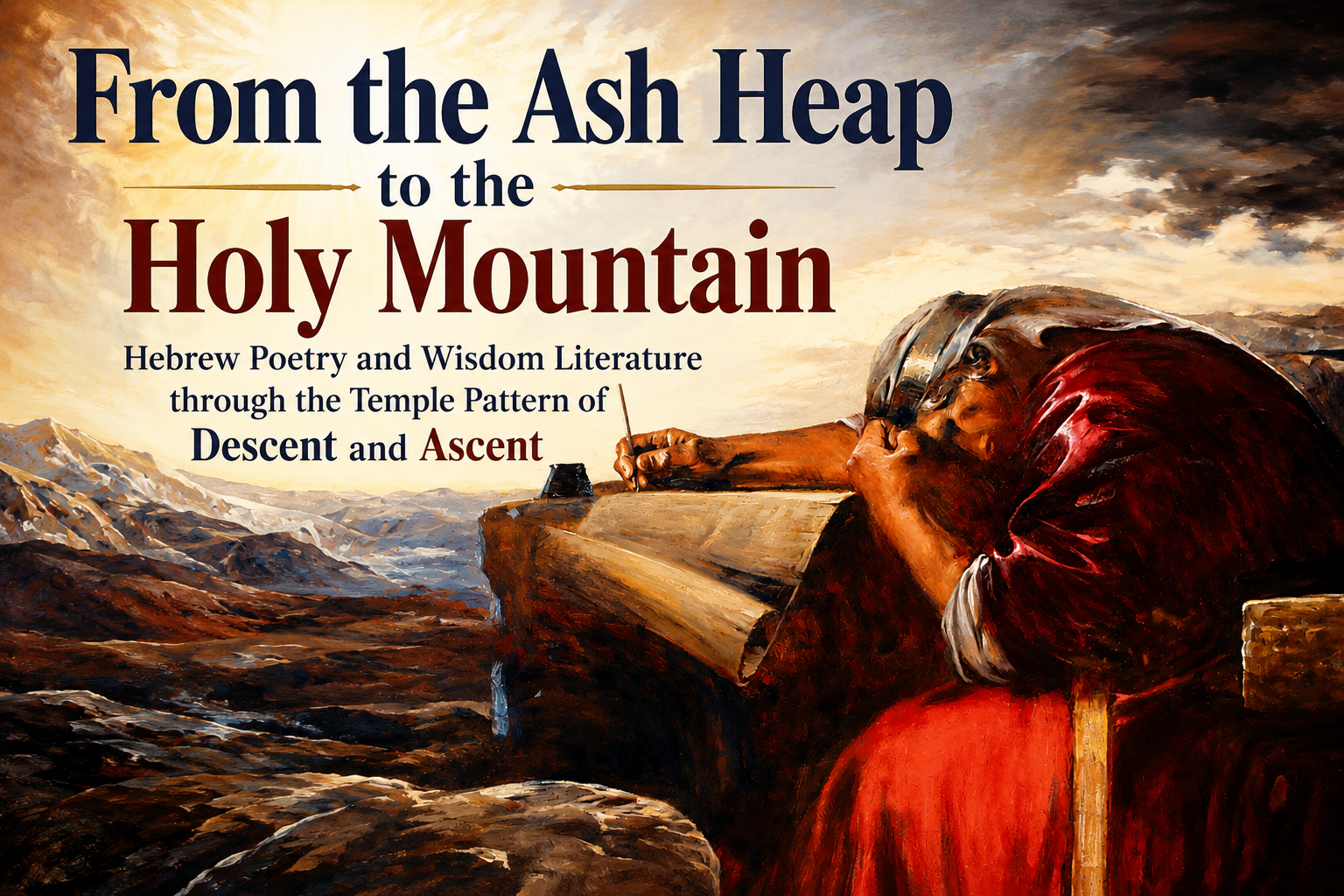
From the Ash Heap to the Holy Mountain: Hebrew Poetry and Wisdom Literature through the Temple Pattern of Descent and Ascent

From the Ash Heap to the Holy Mountain: Hebrew Poetry and Wisdom Literature through the Temple Pattern of Descent and Ascent

A Come, Follow Me introduction to Job, Psalms, Proverbs, and Ecclesiastes

Job, Psalms, Proverbs, and Ecclesiastes do not offer one flat explanation of faithful life. They give us an inspired conversation. Job protests any theology that reduces suffering to a predictable equation. The Psalms teach covenant Israel to pray through joy, guilt, abandonment, fear, gratitude, and praise. Proverbs forms moral perception by training the disciple to fear the Lord and choose wisdom over folly. Ecclesiastes exposes the vapor-like instability of mortal achievement and the limits of human control. Read together, these books move repeatedly from order into disorientation and from disorientation toward a renewed, humbler communion with God.

This study proposes the temple pattern of descent and ascent as a theological and devotional framework for that movement. Descent names mortality, estrangement, lament, disorder, and the collapse of false certainty. Ascent names purification, covenant formation, divine instruction, unveiled perspective, and renewed presence. The framework is grounded most directly in the temple setting of many Psalms—especially Psalm 24—but it should not be mistaken for a claim that Job, Proverbs, and Ecclesiastes were all composed as a single temple ritual. Instead, it is a canonical, Christ-centered reading that brings the wisdom books into conversation with Israel’s worship, the plan of salvation, and the Latter-day Saint journey back into God’s presence. The W.I.S.D.O.M. arc developed below provides the series structure: Walk, Invite, Seek, Discern, Observe, and Meet.

Sunday, August 2, 2026

Esther and the Pattern of Covenant Deliverance

Esther and the Pattern of Covenant Deliverance

Preserving God’s Covenant People Through Hidden Providence

By Jessica Shipp (@ChristPearls), with companion devotional and editorial contributions by Timothy R. Berman

Editor's Note: Jessica Shipp contributed the primary article, biblical character study, and chapter-by-chapter summary. Timothy R. Berman contributed the E.S.T.H.E.R. acrostic, devotional applications, additional reflections, and editorial presentation for Faith & Reason.

The Book of Esther occupies a unique place in Scripture. Unlike every other biblical book, God’s name never appears explicitly in its pages. Yet His presence is everywhere. Rather than revealing Himself through miracles or prophetic declarations, the Lord works quietly through ordinary people, ordinary decisions, and seemingly ordinary events. The story invites us to look beyond coincidence and recognize the unseen hand of providence guiding history according to His covenant purposes.

The historical setting is equally significant. More than a century after the Babylonian exile, many Jews had returned to Jerusalem under Zerubbabel, Ezra, and Nehemiah, but countless others remained scattered throughout the Persian Empire. Living among the nations, they preserved their covenant identity while existing within a foreign culture. At precisely this moment, Haman obtains a royal decree ordering the destruction of every Jew in the empire:

“To destroy, to kill, and to cause to perish, all Jews, both young and old, little children and women, in one day…” (Esther 3:13)

This is far more than a political crisis. The covenant people themselves stand under a sentence of death. Once again, God’s promises appear to hang by a thread. Yet this pattern is familiar throughout Scripture. Pharaoh sought to destroy Israel’s sons. Athaliah attempted to eradicate the royal seed of David. Herod sought the life of the infant Messiah. Time and again, when God’s covenant purposes seem threatened, He raises faithful men and women whose courage preserves His people until His greater purposes unfold. Esther belongs to that pattern.

Sunday, July 26, 2026

“I Am Doing a Great Work”: Stay on the Wall and Finish What God Called You to Do

“I Am Doing a Great Work”: Stay on the Wall and Finish What God Called You to Do

“I Am Doing a Great Work”

Stay on the Wall and Finish What God Called You to Do
Come, Follow Me—July 27–August 2 | Ezra 1; 3–7; Nehemiah 2; 4–6; 8


There are some distractions that do not look dangerous because they look quite reasonable. 

They arrive as invitations, conversations, controversies, urgent notifications, unexpected opportunities, and demands for our immediate attention. They ask us to take a moment and step away from what God may have placed before us - not necessarily forever, just long enough for us to lose our concentration and focus. 

This was the very strategy used against Nehemiah. 

Nehemiah’s enemies did not begin by openly commanding him to abandon the rebuilding of Jerusalem. Instead, they repeatedly invited him to leave the work and meet them in the plain of Ono. Such a proposal sounded quite diplomatic; however, Nehemiah recognized the deception beneath. He was able to discern and understood that not every invitation deserved an answer. Nor every controversy deserved his attention and presence. 

His response has become one of the most significant and clearest declarations of spiritual focus in scripture: “I am doing a great work, so that I cannot come down” (Nehemiah 6:3). Nehemiah was not boasting about his personal importance. What he did is declare the significance of the assignment - or calling - God had entrusted to him. More to the point, Nehemiah took seriously the stewardship of what God called him to accomplish. 

The wall was more than stone and timber. Jerusalem’s restoration represented covenant renewal, spiritual protection, communal identity, temple worship, and the fulfillment of God’s promises. 

This week’s Come Follow Me Study for the Old Testament is about more than rebuilding a temple or repairing a city wall. It is regarding how we are open and willing to recognize the work God has placed before each of us, resisting whatever pulls us away from it, and trusting that the Lord will strengthen our hands as we remain faithful and obedient to His will, purpose, and plans. 

Sunday, July 5, 2026

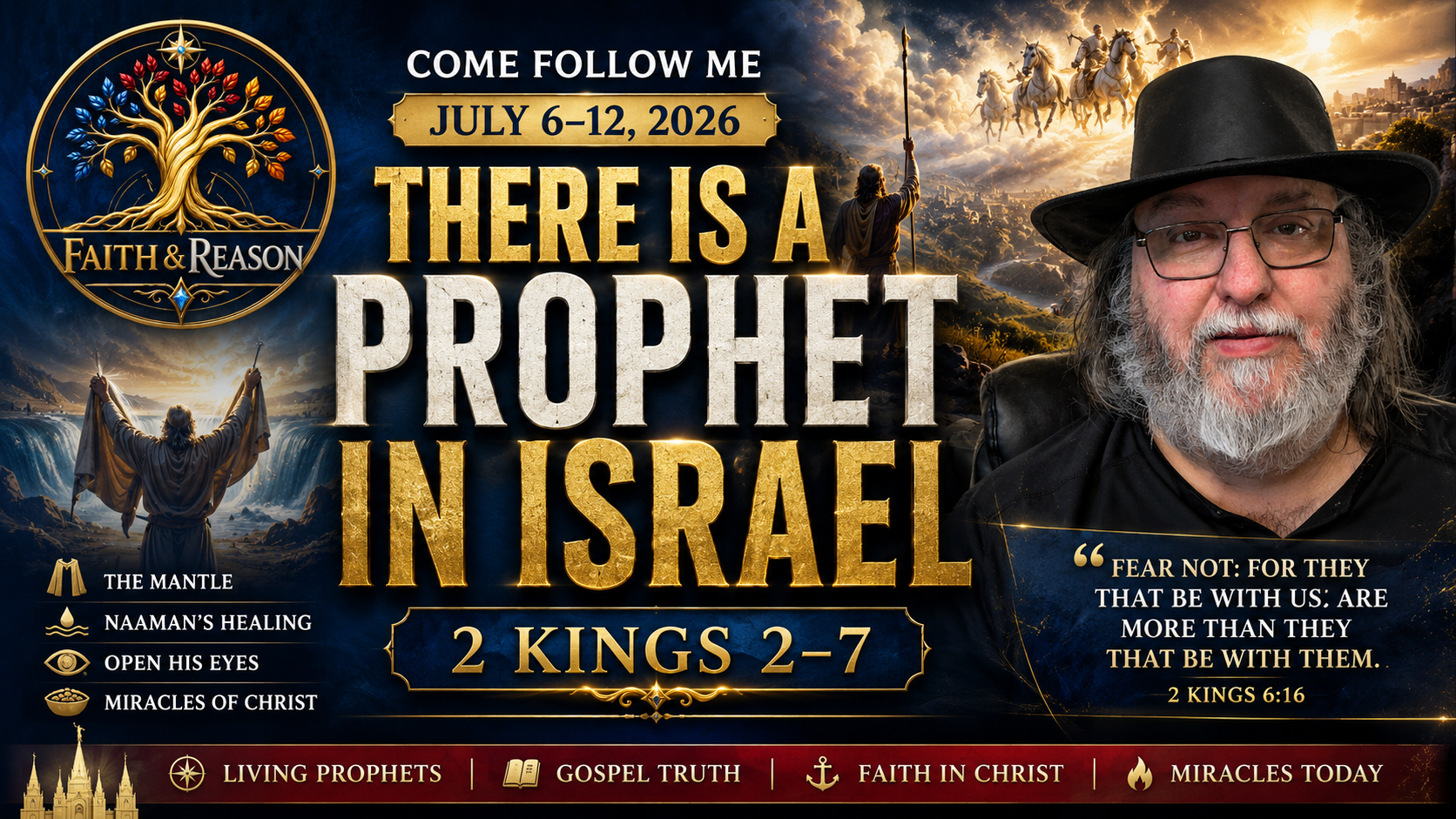
There Is a Prophet in Israel: When You Feel Surrounded, God Is Still Working | Come Follow Me 2 Kings 2–7

There Is a Prophet in Israel: When You Feel Surrounded, God Is Still Working | Come Follow Me 2 Kings 2–7

There were moments in my own life when the challenges seemed larger than the promise. The overall pressure felt immediate. Fear seemed quite rational. The surrounding issues seemed visible, measurable, and impossible to ignore. This is where Elisha's servant saw when he woke and found the city surrounded by horses and chariots. The servant's question was not dramatic, it is quite human: "Alas, my master! How shall we do?"

Elisha did not deny the reality of the danger. He did not pretend the army was not there. He simply saw more than the servant saw. His answer is one of the great faith-building declarations of scripture: "Fear not: for they that be with us are more than they that be with them." Elisha, then, prayed that the Lord will open the young man's eyes, and suddenly the mountain was filled with heavenly help. The issue had not changed, the servant's vision had.

This is the very heart of this week's Come Follow Me lesson in 2 Kings 2-7. The title of the lesson is, "There is a Prophet in Israel," and it walks us through the ministry of Elisha, the successor of Elijah. These chapters are filled with miracles: water healed, oil multiplied, a child raised, poisoned food purified, bread multiplied, Naaman cleansed, an ax head recovered, armies restrained, and prophetic words fulfilled. Yet the deeper message is not merely how miracles happened, nor how long ago they happened, because the deeper message is that the Lord still works through covenant faith, prophetic authority, humble obedience, and spiritual eyes that learn to see beyond fear and doubt.

The official Come Follow Me material notes that although Elisha's record does not preserve much of his direct teaching, his miracles testify of Christ's life-giving, nourishing, and healing power. These miracles point us to the Savior who raises, feeds, cleanses, restores, and opens up eyes. They invite us to ask the same prayer Elisha offered: Lord, open our eyes, that we may see.

Friday, April 3, 2026

The Ten Plagues of Egypt: A Typology of Mortality, Sin, Death, and Resurrection

The Ten Plagues of Egypt: A Typology of Mortality, Sin, Death, and Resurrection

When most people think of the Ten Plagues, they imagine frogs, flies, and fire raining down. However, the plagues were never random acts of divine wrath. Instead, they served as a spiritual roadmap — revealing what happens when humanity turns away from God, and how God still works to redeem His people. Each plague acts as a mirror. It reflects something about us, the world we inhabit, and the God who refuses to leave us trapped in bondage. When you connect the plagues with Genesis, the Gospels, Revelation, and even the Book of Mormon, a clear pattern appears — a cycle of descent, judgment, mercy, and ascent.

The plagues are not merely ancient events. They symbolize the human condition — mortality, sin, corruption, spiritual darkness, and ultimately death. They also represent deliverance — the Lamb, the Light, the Firstborn Son, the Passover, the Exodus, and the path toward resurrection. This is the reason the plagues resonate throughout scripture: in John’s Apocalypse, the Nephites’ cycles of destruction, the fall of Jerusalem, and the ultimate gathering of Israel. The plagues are one of many scriptural apocalypse.

I want to invite you as we take a moment to examine each plague in depth — the gods they challenged, the creation they overturned, and the Christ they foreshadowed. Hopefully you might see how each plague breaks down false systems, uncovers spiritual sickness, and unveils aspects of the gospel.

And I want us to take a broader view. By doing so, I want to show how the entire structure of the ten plagues forms the core of biblical prophecy, temple theology, covenant ascent, and God’s ultimate redemption of His people. This story is not just about Egypt. It is the story of every person that has ever needed deliverance.

As we begin, remember this: the plagues are not the conclusion. They are the gateway. They are the descent that precedes the ascent. They are the shadow that reveals the Lamb.”

Let us enter the pattern — from bondage to freedom, from darkness to light, from death to resurrection.

Thursday, February 26, 2026

The Architecture of Grace: A Systematic Analysis of the Everlasting Covenant

The Architecture of Grace: A Systematic Analysis of the Everlasting Covenant

Jacob’s story is not the tale of a man who finally got his act together. It is the story of a God who refused to let go. From the well where Rebekah ran to serve a stranger, to the night Jacob wrestled until dawn, Genesis 24–33 reveals a God who enters the grit of human weakness and patiently reshapes a people who learn—slowly, painfully, beautifully—to let Him prevail. This is not ancient history; it is the architecture of grace still unfolding in every disciple who dares to surrender.

Every scene in this week’s Come, Follow Me block is a doorway into covenant transformation. A servant prays at a well and finds a woman whose kindness alters the future. Two brothers clash over a birthright that neither fully understands. A fugitive dreams of a ladder where heaven touches earth. A deceiver becomes Israel. A wounded family becomes whole again. These are not disconnected stories; they are covenant threads woven by a God who meets His children in deserts, dreams, and wrestles—and invites them into a life only He can build.

The New Testament echoes these moments at every turn: Christ offering living water at Jacob’s well, the Father running to embrace a prodigal son, the Savior calling His disciples to leave lesser things for eternal ones. The Book of Mormon, Doctrine and Covenants, and Pearl of Great Price amplify the same truth: God prevails when His children yield.

This study follows an expository and exegetical method—tracing themes of covenant, surrender, revelation, reconciliation, and divine guidance across the Old Testament, New Testament, Restoration scripture, and the teachings of modern prophets. It is expository, exegetical, devotional, and practical. It is written for individuals who want more than information—they want transformation.

If you’ve ever wrestled with God, waited for answers, feared reconciliation, or wondered whether He remembers you, Genesis 24–33 is your story. And the God who prevailed in Jacob’s life is ready to prevail in yours.

Sunday, January 25, 2026

CFM - Jan 26 - Feb 1 | Genesis 5; Moses 6: "Teach These Things Freely unto Your Children"

CFM - Jan 26 - Feb 1 | Genesis 5; Moses 6: "Teach These Things Freely unto Your Children"

Many of us most likely assume the gospel began in the New Testament. Yet Genesis 5 and Moses 6 reveal something astonishing: the fullness of the gospel—faith in Christ, repentance, baptism, the Holy Ghost, priesthood, and covenant discipleship—was taught from the very beginning. These chapters unveil a sweeping narrative of divine instruction, generational faithfulness, and the sacred responsibility to teach truth to rising generations.

For many of us, navigating a morally chaotic world can be incredibly challenging. In these turbulent times, these chapters offer a profound blueprint for spiritual resilience. The teachings found within Genesis and Moses not only provide guidance but also serve as a reminder that the principles of the gospel are timeless. They anchor us in our faith and help us to cultivate a sense of moral clarity amid confusion and chaos. For those in recovery, these scriptures reveal the ancient pattern of redemption, rebirth, and transformation through Christ, showcasing how individuals have consistently turned to God for restoration and new beginnings.

This study for the Come Follow Me - Old Testament invites us to delve deeply into the genealogies, doctrines, and prophetic ministries of pivotal figures like Adam, Seth, and Enoch, along with their descendants. It illuminates the remarkable legacy of faith that was passed down through generations. The narratives of these early prophets illustrate how their teachings and life experiences reflect Christ’s redemptive work. They emphasize the importance of our covenantal responsibility to “teach these things freely unto your children” (Moses 6:58), urging us to carry forward the torch of faith and truth to future generations.

As we engage with these ancient texts, we not only gain insights into the foundations of our beliefs but also discover the imperative to be proactive stewards of spiritual knowledge. In doing so, we can empower those around us to withstand the pressures of the world, fostering a community that thrives on the principles of the gospel. By sharing the stories and teachings of our ancestors, we reaffirm the enduring relevance of their faith and the everlasting hope that can be found in Christ.

Sunday, January 18, 2026

CFM January 19-25 | Genesis 3-4; Moses 4-5: The Fall of Adam and Eve

CFM January 19-25 | Genesis 3-4; Moses 4-5: The Fall of Adam and Eve

The Shattered Vase or the Cracked Egg? A Comprehensive Theological Comparative of the Fall of Humanity

Picture a flawless porcelain vase sitting on a mantle. Now, picture a bird’s egg resting in a nest. If you break the vase, you have destroyed something beautiful; you have created a tragedy. But if you break the egg... you haven't destroyed anything. You have birthed something alive.

For nearly 1,600 years, the majority of Western Christianity has viewed the Garden of Eden through the lens of the shattered vase—a cosmic catastrophe known as "The Fall." But what if that lens is cracked?

Few questions carry as much theological weight as "What happened in the Garden?" The answer dictates how you view human nature, the purpose of suffering, and the very character of God.

  • Did Eve ruin paradise, or did she bravely open the door to human potential?
  • Is humanity born with a "sin nature" that requires depravity, or are we born with a "divine nature" that requires development?
  • Why do Jewish rabbis and Latter-day Saints vehemently disagree with the traditional Christian view of "Original Sin"?

This isn't just another Sunday School summary. In this comprehensive 4,500-word analysis, we are going to dismantle centuries of theological assumption. We will walk through the ancient Rabbinic rejection of the "Fall," examine the "Soul-Making" theodicy of early Church Fathers like Irenaeus, and dive deep into the distinct Latter-day Saint doctrine of the "Fortunate Fall." Backed by rigorous scholarship and heavily annotated sources, this post invites you to look at Genesis 3 not as the moment the universe broke, but perhaps, as the moment it finally started working.

Thursday, January 8, 2026

Episode 4: The Proving Ground

Episode 4: The Proving Ground

Welcome fellow travelers. This is Grace and Sobriety for Latter-day Saints on a path of recovery and living a sober life through Jesus Christ and His Gospel.

Does it ever feel like the moment you decide to get sober or fix your life, everything suddenly gets harder? That resistance isn't failure—it's actually proof that you're on the right path

In this episode, we’re looking at Abraham 3 to discover why God calls this life a 'proving ground.' We’re going to learn how to turn that intense pressure into the power you need to break your chains.

I want to share with you today how we’re going to prove that you are one of the 'noble and great ones.' Let's get into it and like, share, and subscribe - following this content and all other content.

Anchor Verse:

"And we will prove them herewith, to see if they will do all things whatsoever the Lord their God shall command them." — Abraham 3:25

In our previous episodes, we established our nothingness without God (Moses 1), claimed our identity as His children (Moses 1), and found the courage to seek a better way (Abraham 1).

Episode 3: The Courage to Seek

Episode 3: The Courage to Seek

Welcome fellow travelers. This is Grace and Sobriety for Latter-day Saints on a path of recovery and living a sober life through Jesus Christ and His Gospel.

We often think our battle is just against a behavior, a bottle, or a doubt. But what if the real war is actually over your name? The adversary wants you to believe you are just your past mistakes.

But in this week’s study of Moses 1 and Abraham 3, God takes us back before the beginning to settle the score once and for all. He reminds Moses—and He’s reminding you—that before you were anything else, you were His.

Today, we are going to learn how to use your divine identity to silence the darkness. Welcome to the devotional message.

Anchor Verse:

"And, finding there was greater happiness and peace and rest for me, I sought for the blessings of the fathers... desiring also to be one who possessed great knowledge, and to be a greater follower of righteousness, and to possess a greater knowledge, and to be a father of many nations, a prince of peace." — Abraham 1:2

In our previous devotionals, we explored Moses 1: first, the humility of realizing our own "nothingness" without God (Day 1), and second, the power of claiming our divine identity when the adversary tries to define us by our past (Day 2).

Additional Scriptures:

  • Moses 1:20: "And it came to pass that Moses began to fear exceedingly; and as he began to fear, he saw the bitterness of hell. Nevertheless, calling upon God, he received strength." (The pivot from fear to action).
  • Abraham 1:5: "My fathers, having turned from their righteousness... refused to hearken to my voice." (The reality that we often have to recover despite our environment).

Today, we transition to Abraham 1, which serves as the perfect companion to Moses’s stand. While Moses illustrates standing your ground against darkness, Abraham illustrates walking away from it. Abraham lived in a toxic environment—Ur of the Chaldees—surrounded by the idolatry of his fathers and a culture of spiritual death. Yet, instead of succumbing to the environment or merely coping with it, Abraham sought something better. He didn't just want to escape the bad; he hungered for "greater happiness and peace."

Sunday, December 21, 2025

Come Follow Me Old Testament — Dec 29–Jan 4 | First Testament of Jesus Christ: For Our Profit and Learning (Introduction)

Patreon Early Access: Come Follow Me (Dec 29–Jan 4)

The First Testament of Jesus Christ — For Our Profit and Learning: Introduction

Thank you for supporting Faith and Reason. Your partnership makes it possible for me to create thoughtful, Christ‑centered teaching resources for Christians in recovery, writers of faith, and anyone seeking a deeper walk with the Savior. I’m grateful you’re here.

This week’s early‑access episode launches our yearlong journey through the Come, Follow Me: Old Testament curriculum. The First Testament of Jesus Christ is designed to help us see the Old Testament the way Jesus Himself taught—recognizing that all scripture testifies of Him. In this introduction, we lay the foundation for how to study, what to look for, and how these ancient writings strengthen our discipleship today.

What’s Included in This Early Access Post

  • ✅ Early Access Video (Unlisted YouTube link)
  • ✅ Episode Summary & Study Focus
  • ✅ PowerPoint Slides (available to mid‑tier patrons and above)
  • ✅ Additional notes for deeper reflection

Become a Patreon Member today and save money on your first month's tiered membership fee.

Video goes public on December 29, 2026 at 7 am PST on YouTube - Subscribe here

Friday, December 19, 2025

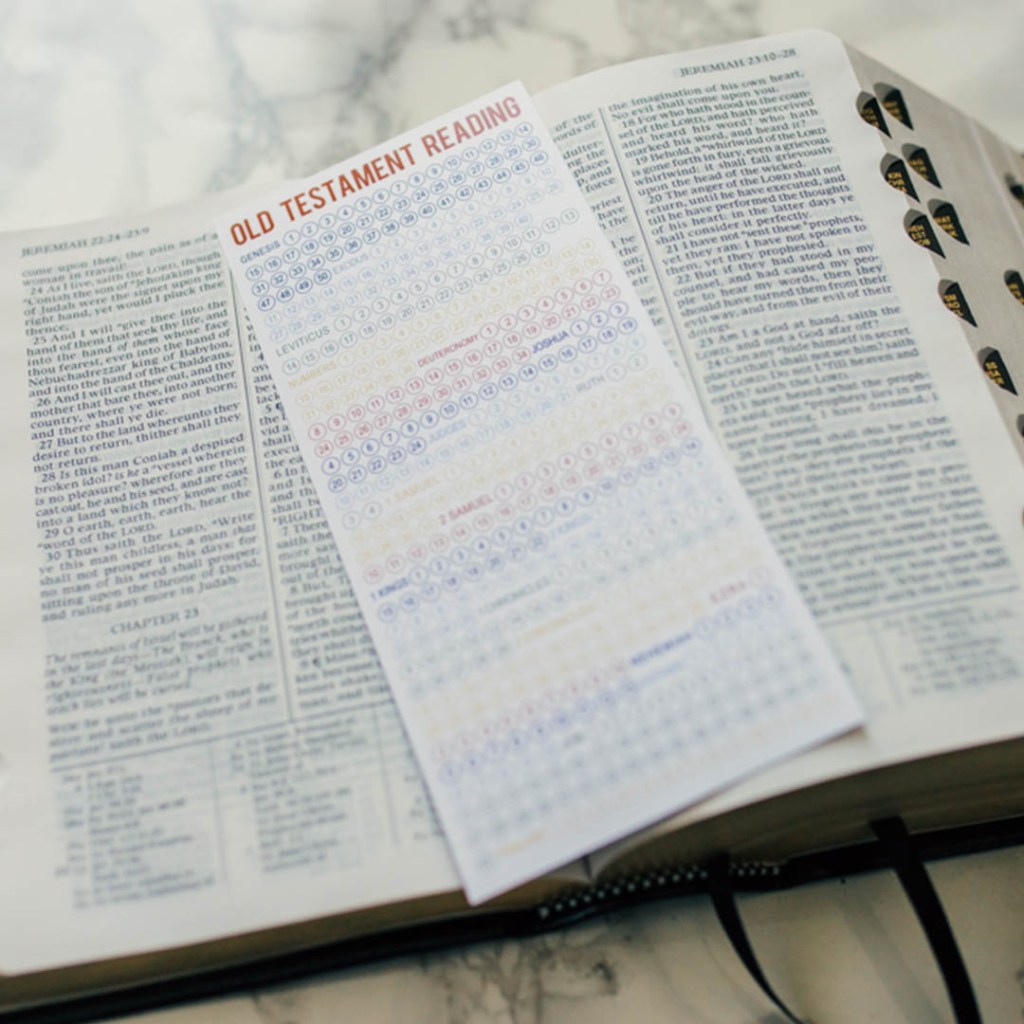
What to Look Forward to in Come Follow Me - Old Testament 2026

I have a question for you - are you ready to experience the Old Testament like never before? 2026 brings us into the study of the Old Testament for Come Follow Me. Be sure to access this resource by clicking the link here - Come Follow Me - Old Testament. This is not your ordinary reading plan - it is a covenantal journey that blends scripture, recovery, and discipleship into a transformative path of resilient faith. Whether you are seeking to deepen and enrich your faith, understanding of the Old Testament, daily devotional, or a framework to thrive in recovery and sobriety - this year will offer a unique resource and opportunity designed to meet you were you are and guide you forward.

Here is what you may look forward to:

  • Weekly Expository Teachings: Study, examine, and apply covenant themes and recovery parallels with clear scripture -anchored expository commentary and teaching. Each message balances faith and reason, showing how the Old Testament speaks spiritually and intellectually to each one of us.
  • Daily Devotionals: Structured readings harmonized with the Beatitudes and traditional twelve steps where it offers insight and empowerment for individuals to make personal and spiritual applications while walking a path of recovery and sobriety through discipleship.
  • Come Follow Me Livestream Panel Discussion: There is a group of Latter-day Saint content creators who get together and have livestream panel discussions weekly. We meet and livestream every Sunday, 8 PM PST/9 PM MST. This is livestreamed to multiple channels and platforms. You can watch on my social media platforms on YouTube, Facebook, and X. Or watch here on WordPress when it is posted.

Watch the Livestream CFM Discussion on the Family Proclamation Sunday, December 21, 2025 - 8 PM PST/ 9 PM PST. If you are interested in joining the livestream chat and interact with other viewers, ask the panelist questions then click through to watch on YouTube.

Anchoring in scripture, offering support, and empowering growth in recovery and sobriety - these resources encourage each person to experience the mysteries of God and understand His tender mercies in their own life.

Download the Google Doc with this link