Showing posts with label Messianic Prophecies. Show all posts

Wednesday, March 11, 2026

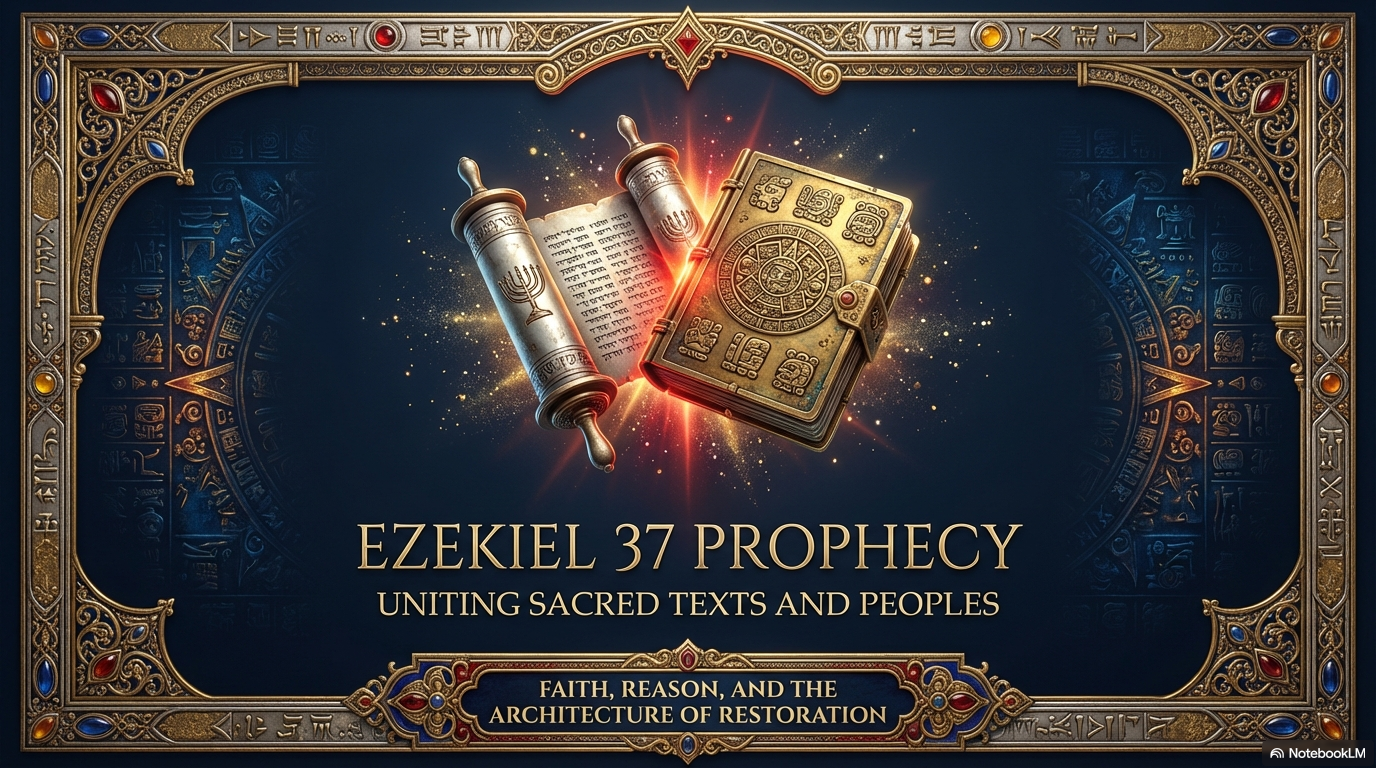
Ezekiel 37 Prophecy: Uniting Sacred Texts and Peoples

Ezekiel 37 Prophecy: Uniting Sacred Texts and Peoples

One of the challenges surrounding the Book of Mormon concerns the prophecy of Ezekiel 37 and the metaphorical concept of the two sticks. Many Latter-day Saints assert that Ezekiel 37's prophecy serves as compelling evidence for the authenticity and reality of the Book of Mormon. They argue that this prophecy signifies the reunification of sacred records and the bringing together of scattered peoples, aligning closely with the teachings and doctrines found within their faith. On the other hand, critics challenge this interpretation, positing that the true essence of Ezekiel's prophecy pertains more to the unification of a fractured and divided Israelite kingdom rather than a specific reference to the Book of Mormon or its teachings. This lively debate between Latter-day Saints and critics has persisted for many years, underscoring the complexity and nuance inherent in scriptural interpretation.

Ezekiel 37 encompasses more than just a vision of dry bones restored to life, as it holds profound implications for understanding divine sovereignty. The passage reveals a prophetic blueprint exhibiting how God, in His omnipotence, unites that which history and human actions have seemingly scattered—people, covenants, and records that are sacred. Importantly, the imagery of the two sticks transcends mere Hebrew poetic devices; rather, it articulates a divine declaration of God's work being expansive and far-reaching. It emphasizes that the divine initiative is not narrowly confined, but includes the restoration and reconciliation of a diverse array of communities under His covenant.

This particular prophecy resonates deeply with our contemporary world, which is often marked by fragmentation, division, and spiritual weariness. In an age characterized by mistrust and cultural rifts, Ezekiel's message serves as a reminder that God continues to gather His children, to restore hope, and to breathe life into situations that appear hopelessly fractured. This enduring message of unity amid diversity is crucial for our understanding of both scripture and our collective human experience.

To approach this passage appropriately, we must adopt a stance of deep reverence for its Ancient Near Eastern context, recognize its covenantal significance, and appreciate its relevance in modern times. This thoughtful examination should not rely on presuppositional arguments, sensational interpretations, or the eisegesis that misapplies contextual meaning. Instead, our strive should be toward an exegetical interpretation that centers on understanding the prophetic unity that Ezekiel foresaw. In doing so, we can engage meaningfully with the question at hand: Does this prophecy indeed validate the authenticity of the Book of Mormon, affirm its sacred nature, and align with the prophesied book of Ephraim that Ezekiel envisioned? By pursuing this inquiry with intellectual rigor and spiritual openness, we can contribute to the ongoing exploration of faith, doctrine, and scriptural truth.

Therefore, the goal is simple. To help individuals come to understand how this prophecy connects sacred texts, covenant identity, and God's ongoing work of reconciliation and redemption throughout human history.

Ezekiel 37 stands as one of the most sweeping restoration prophecies in all of scripture. Set against the backdrop of exile and despair, the chapter unfolds in two movements: the resurrection of the dry bones and the uniting of the two sticks. Together, these visions reveal God’s intent to restore life, gather His people, and reunite the sacred witnesses that testify of His Son. The vivid imagery of dry bones coming to life speaks not only to the physical resurrection of Israel but also to the spiritual awakening that can occur within the hearts of individuals and communities today.

This article explores the prophecy through its historical setting, symbolic layers, and doctrinal implications—especially its relevance to the Restoration and the coming together of sacred texts in the latter days. As we delve deeper into these themes, we can appreciate how the dry bones symbolize not only the lost hopes of a nation but also the potential for renewal and rebirth in our own lives. The uniting of the two sticks further illustrates the divine plan for unity among diverse groups, emphasizing the importance of collaboration and understanding in a fragmented world.

By examining the imagery, the covenantal themes, and the prophetic promises embedded in the chapter, we uncover a message of unity, identity, and divine purpose that speaks powerfully to our time. This exploration reveals how God’s word is alive and active, inviting us to participate in the narrative of redemption that transcends cultural and religious divides.

If you’ve ever wondered how God heals division, restores covenant identity, or brings multiple sacred records into harmony, Ezekiel 37 offers a profound and hopeful answer. The call to action is clear: we are invited to engage with this prophecy actively, to seek understanding, and to embrace our roles as connectors of truth and instruments of peace. In doing so, we become part of God's ongoing work in the world, acknowledging that the journey toward restoration—both individually and collectively—is an essential aspect of our faith and purpose.

Friday, June 28, 2024

Harmony of Grace and Works in Christian Doctrine


Harmonizing Ephesians 2:8-9 and 2 Nephi 25:23 reveals that both scriptures emphasize the pivotal role of grace in the salvation process. Understanding the proper context of each passage clarifies that they do not contradict but rather complement each other. Ephesians teaches that salvation is a gift from God, emphasizing that no amount of human effort can earn it, while Nephi explains that even our best efforts cannot save us without Christ’s grace.

Proper contextual understanding is essential. When we grasp the historical and cultural settings of these scriptures, we can see the unified message about grace and works. This deeper insight encourages further study and respectful dialogue between Latter-day Saints and Evangelical Christians. Avoiding cherry-picking and false dilemma fallacies allows us to appreciate the harmony between grace and works in the plan of salvation.

Let’s continue to explore these teachings with an open mind, recognizing that our faith journeys can be enriched by understanding and respecting different perspectives.

READ THE FULL ARTICLE HERE

Monday, June 17, 2024

Come Follow Me Inductive Study: Jesus Christ Will Come to Redeem His People (Alma 8-12)

Experiencing the transformative power of the Book of Mormon, particularly in the chapters of Alma 8-12, is a profound journey for every faithful disciple. As we dive into this week's Come Follow Me Inductive Study, we'll uncover the stirring message that "Jesus Christ Will Come to Redeem His People." This study isn't just an academic exercise; it's a spiritual endeavor that deepens our faith and understanding of redemption through Jesus Christ.

In these chapters, we witness the dedication and trials of Alma and Amulek as they preach the gospel, reflecting on their divine mission and Christ's promise of redemption. Their unwavering faith, despite rejection and hardship, exemplifies the strength we can also find in Christ. As we dissect these passages, we'll see how their experiences can bolster our own faith journey, highlighting that redemption is not just a distant promise but a present reality through the Savior.

Prepare to be inspired and renewed as we explore the enduring truth that Jesus Christ's atonement is for all. Your faith will be fortified, and your understanding of Christ's redemptive power will be magnified.

Understanding Alma 8-12

The chapters of Alma 8-12 in the Book of Mormon offer profound insights into the teachings of Jesus Christ and the importance of redemption. These chapters recount the experiences of Alma as he preaches to the people of Ammonihah, emphasizing the need for repentance and the promise of redemption through the Savior. Let's explore the significance of these chapters in two key sub-sections.

Alma's Ministry in Ammonihah

Alma preaching
Teaching True Doctrine, by Michael T. Malm

Alma's mission in Ammonihah is filled with challenges and profound teachings. After facing rejection in the city, Alma is commanded by an angel to return and continue his ministry. This time, he meets Amulek, a resident of Ammonihah, who becomes his companion in delivering the message of redemption.

  • Alma's Teachings: Alma speaks boldly to the people of Ammonihah about the necessity of repentance and the reality of Jesus Christ's atoning sacrifice. He emphasizes that redemption is available to all who turn to Christ with full purpose of heart.
  • Response of the People: The response Alma receives is mixed. While some, like Amulek, heed his message and repent, many others reject him and attempt to silence his voice. They view his teachings as a threat to their way of life and refuse to accept the call to repentance.

The Importance of Repentance

Repentance is a central theme in Alma 8-12 and is presented as the gateway to receiving Christ's redemption. Alma underscores the indispensability of repentance in his interactions with the people of Ammonihah.

  • Examples from Alma's Interactions:
    • Warning of Destruction: Alma warns the inhabitants of Ammonihah that without repentance, their city will be destroyed. He reminds them that repentance is the only means to escape the consequences of their sins.
    • Testimony of Redemption: Alma shares his own transformative experience with repentance, illustrating that true change is possible through Christ. His testimony serves as a powerful example for the people, showing that everyone can be redeemed through sincere repentance.

Through Alma's ministry and the theme of repentance in these chapters, we see a clear message: redemption through Jesus Christ is open to all, but it requires a humble heart and a willingness to change.

Jesus Christ's Redemption

The chapters of Alma 8-12 in the Book of Mormon provide deep insights into the concept of Jesus Christ's redemption. Through the words of Alma and Amulek, we learn about the prophecies of Christ's coming and the transformative power of His atonement.

Prophecies of Christ's Coming

The teachings in Alma 8-12 are rich with prophecies about Jesus Christ. Alma and Amulek frequently speak of the coming of Christ as a pivotal event in the redemption of mankind.

  • Alma's Teachings: Alma prophesies about Christ's birth, life, and ultimate mission to redeem His people. He speaks with certainty about the coming of the Savior, emphasizing that His arrival has been foretold by many prophets.
  • Fulfillment of Prophecies: These chapters highlight how the coming of Jesus fulfills earlier prophecies. Alma assures the people that Christ will come to save them, and his words reinforce the certainty of God's plan.

The Atonement and Redemption

The connection between the atonement of Jesus Christ and the redemption of mankind is central in Alma 8-12. The messages shared by Alma and Amulek focus on how Christ’s sacrifice opens the way for all to be redeemed.

  • Transformative Power of the Atonement: Alma and Amulek teach that the atonement is not just about forgiveness of sins but also about personal transformation. They explain that through Christ's sacrifice, individuals can change their hearts and minds.
  • Plan of Salvation: In these teachings, the atonement is described as the cornerstone of God's plan of salvation. This plan is designed so that everyone who repents and follows Christ can be redeemed and receive eternal life.
  • Alma's Personal Testimony: Alma shares his own experience of being forgiven and transformed by Christ's atonement. His personal story serves as a powerful testimony of the reality and effectiveness of Christ’s redeeming power.

Through these prophecies and teachings, we learn that the redemption offered by Jesus Christ is not only a promise but an achievable reality through faith and repentance.

Lessons for Today

The teachings found in Alma 8-12 hold timeless wisdom that can be applied to our modern lives. These chapters not only provide historical accounts of faith and perseverance but also offer guidance for personal growth and strengthening our faith in Jesus Christ's redemptive power.

Personal Application

Reflecting on the teachings of Jesus Christ's redemption can deeply influence our personal lives. Here are some practical suggestions to help you apply these principles:

  • Daily Prayer and Meditation: Take time each day to pray and reflect on Christ's sacrifice. This can help you feel closer to Him and understand the importance of His redemption.
  • Scripture Study: Regularly reading the scriptures, especially chapters like Alma 8-12, can remind you of Christ's teachings and how they apply to you today. Consider keeping a journal to note insights and revelations.
  • Service to Others: Just like Alma and Amulek served the people of Ammonihah, look for opportunities to serve those around you. Acts of kindness can be a way to live out Christ's teachings and bring you closer to Him.
  • Repentance and Forgiveness: Acknowledge your mistakes and seek forgiveness. The process of repentance can renew your spirit and strengthen your commitment to living a Christ-like life.
  • Setting Goals for Personal Growth: Set spiritual goals for yourself, such as improving your prayer life or increasing your scripture study. Small, attainable goals can lead to significant personal growth over time.

Applying these teachings isn't just about making big changes; it's about consistently making small, daily efforts to live more like Christ.

Strengthening Faith

Studying Alma 8-12 can significantly fortify your faith in Jesus Christ and His power to redeem. Here are some ways this can happen:

  • Recognizing Modern Parallels: Just as Alma and Amulek faced challenges and rejection, we may encounter trials in our lives. Their perseverance teaches us to trust in Christ and His plan, no matter the obstacles.
  • Real-Life Examples: Reflect on stories of individuals who have experienced redemption through Christ. For instance, think of someone who turned their life around after embracing the principles of repentance and faith in Christ. Their story can be a powerful testimony that faith in Christ leads to real change.
  • Personal Testimonies: Share your own experiences of how your faith has been strengthened through study and prayer. Sharing testimonies, whether in a church setting or casually with friends, can inspire others and reinforce your own faith.
  • Group Study and Discussion: Engage in scripture study groups or discussions about the teachings found in Alma 8-12. Hearing different perspectives and sharing insights can deepen your understanding and strengthen your collective faith.
  • Faith in Action: Putting your faith into action by living according to Christ's teachings can provide tangible proof of His power. Whether it's through acts of service, compassion, or standing firm in your beliefs, living out your faith can be a testament to others and a reinforcement for yourself.

By integrating these practices into your daily life, you can experience a strengthened faith that continually grows and sustains you through the challenges of life.

Incorporating the teachings from Alma 8-12 into your life offers a pathway to spiritual enrichment and a deeper connection to the redemptive power of Jesus Christ.

Conclusion

As we conclude our study of Alma 8-12, the message is clear: Jesus Christ will come to redeem His people. This isn't just a phrase but a profound promise that stands at the heart of these chapters in the Book of Mormon. Through the experiences of Alma and Amulek, we've uncovered deep truths about redemption, repentance, and the power of Jesus Christ's atonement.

Summarizing Key Points

Here are the key points we've explored:

  • Alma's Ministry and Challenges: Alma's persistence in Ammonihah, even after being rejected, teaches us about resilience and divine guidance. His partnership with Amulek highlights the power of companionship and collective faith in spreading the gospel.
  • Central Theme of Repentance: The message in these chapters underscores that repentance is the gateway to redemption. Alma's warnings and his personal testimony illustrate that true repentance leads to transformation and salvation.
  • Prophecies of Christ's Coming: The consistent prophecies about Jesus Christ's birth and atonement throughout these chapters reaffirm the promise that He will come to redeem His people. This pivotal event is essential to understanding God's plan for humanity.
  • Transformative Power of the Atonement: Alma and Amulek emphasize that the atonement of Jesus Christ is not just about forgiveness but also about personal change. Through Christ’s sacrifice, we gain the strength to transform our lives and align them with His teachings.
  • Practical Applications for Daily Life: Integrating the principles of redemption into your life involves daily prayer, scripture study, service to others, and a practice of repentance. These actions foster a deeper connection to Jesus Christ and His redemptive power.

Encouragement for Further Study

Don't let your exploration of these chapters end here. Continue to delve into the teachings of Alma 8-12 and reflect on how they can apply to your life. Here are some ways to deepen your study:

  • Personal Reflection: Spend a few moments each day reflecting on what you've learned. How can these teachings transform your thoughts, behaviors, and attitudes?
  • Scripture Journaling: Maintain a journal of your insights and revelations as you study. Writing down your thoughts can help you internalize and better understand these principles.
  • Group Discussions: Engage in discussions with family, friends, or church groups. Sharing perspectives can enrich your understanding and reinforce the lessons learned.
  • Practical Application: Think about the immediate steps you can take to apply these teachings in your life. Whether it's forgiving someone, seeking personal repentance, or serving others, put these lessons into action.

Final Thoughts

The promise that Jesus Christ will come to redeem His people is not just a future hope but a present reality. By embracing the teachings found in Alma 8-12, you can experience the transformative power of Christ's atonement today. Let this study be a steppingstone to a deeper, more meaningful relationship with the Savior, understanding that His redemption is both a gift and a call to a higher way of living. Keep studying, praying, and applying these principles, and you will continually feel the blessings of His redemptive power in your life.

Leave a Tip if you enjoyed this content

Your support not only allows us to continue providing valuable content, but it also enables us to reach a wider audience. By contributing financially, you are helping us expand our reach to individuals who may be seeking guidance and inspiration on their spiritual journey. Together, we can make a difference in the lives of others, encouraging them to live a life of faith, purpose, and meaning.
$5.00

Click here to purchase.

Sunday, June 16, 2024

Come Follow Me Inductive Study: Jesus Christ Will Come to Redeem His People (Alma 8-12)


Experiencing the transformative power of the Book of Mormon, particularly in the chapters of Alma 8-12, is a profound journey for every faithful disciple. As we dive into this week's Come Follow Me Inductive Study, we'll uncover the stirring message that "Jesus Christ Will Come to Redeem His People." This study isn't just an academic exercise; it's a spiritual endeavor that deepens our faith and understanding of redemption through Jesus Christ.

In these chapters, we witness the dedication and trials of Alma and Amulek as they preach the gospel, reflecting on their divine mission and Christ's promise of redemption. Their unwavering faith, despite rejection and hardship, exemplifies the strength we can also find in Christ. As we dissect these passages, we'll see how their experiences can bolster our own faith journey, highlighting that redemption is not just a distant promise but a present reality through the Savior.

Prepare to be inspired and renewed as we explore the enduring truth that Jesus Christ's atonement is for all. Your faith will be fortified, and your understanding of Christ's redemptive power will be magnified.

BECOME A PATREON SPONSOR TO READ MORE


Monday, June 10, 2024

Alma 5-7: Christ's Atonement and the Mighty Change of Heart

Experiencing a Mighty Change: Insights from Alma 5-7

"Have ye experienced this mighty change in your hearts?" Alma's profound question in chapters 5-7 of the Book of Mormon is more than just a call for introspection; it's an invitation to transformative spiritual growth. Understanding the significance of these passages is essential for anyone seeking a deeper connection with their faith. Alma the Younger’s discourses compel us to examine our lives and hearts, urging us toward genuine repentance and change. This exploration isn't merely academic; it resonates on a deeply personal level, challenging us to realign our lives with divine will and experience the true joy that comes from spiritual renewal. Dive into these chapters and discover how a mighty change of heart can contribute to your own spiritual journey.

Understanding Alma's Teachings in Alma 5

To truly understand the depth of Alma the Younger's words in Alma 5, it's essential to grasp the historical context and key messages that shaped his sermon. Alma's teachings remain relevant and thought-provoking for believers today, urging a deep introspection and transformation of the heart.

The Historical Context of Alma 5

Alma 5 is set at a time when the Church was experiencing significant challenges. Alma the Younger, after his dramatic conversion from a rebellious youth to a devout leader, had taken upon himself the mission to bring people back to the paths of righteousness. He served as the high priest of the Church and was deeply concerned about the spiritual well-being of the people in Zarahemla.

During this period, the Church faced internal strife and complacency. Many members had strayed from their faith, indulging in pride and worldly practices. Alma's mission was not just to preach but to reignite the spiritual fervor among the believers. His sermon in Alma 5 was a heartfelt plea for repentance and spiritual renewal, aiming to steer the Church back to its foundational principles.

Key Messages in Alma's Sermon

Alma's sermon in Alma 5 is rich with themes of repentance, self-reflection, and transformation. Here are some of the key messages he conveyed:

  • Call to Repentance: Alma implored the people to repent of their sins and return to God. He reminded them of the need to be humble and contrite.
  • Self-Reflection: Alma encouraged the congregation to reflect on their lives and examine their spiritual condition. He challenged them to consider if they had kept the faith and maintained their commitment to God.
  • Transformation of the Heart: A central theme of Alma's message was the need for a "mighty change" in the heart. He spoke about the importance of experiencing a deep, inner transformation that aligns one's life with God's will.

Questions for Self-Examination

One of the most compelling aspects of Alma's sermon is the series of introspective questions he posed to the people. These questions were designed to provoke deep self-examination and spiritual reflection. Here are some of the crucial questions Alma asked:

  1. Have ye spiritually been born of God? This question urges individuals to consider their spiritual rebirth and transformation.
  2. Have ye received His image in your countenances? Alma asks if their lives reflect Christ's teachings and love.
  3. Have ye experienced this mighty change in your hearts? He invites people to ponder whether they have undergone a profound change in their hearts and lives.
  4. Can ye feel to sing the song of redeeming love? Alma challenges the faithful to reflect on their ability to rejoice in their salvation.
  5. Do ye exercise faith in the redemption of Him who created you? He prompts believers to examine their faith and trust in God's redemptive power.

Alma's questions remain powerful tools for self-examination, encouraging believers to assess their spiritual journey and make necessary adjustments.

Understanding Alma's teachings in Alma 5 is not just about historical context but about applying these profound lessons to our own lives. Through repentance, self-reflection, and a transformed heart, we can experience the mighty change that Alma so passionately described.

Experiencing the Mighty Change of Heart

Alma's question, “Have ye experienced this mighty change in your hearts?” is one of the most powerful and personal challenges in the Book of Mormon. It calls for an inward reflection on our spiritual state and our relationship with God. This section will explore the nature of this "mighty change of heart," share inspiring stories of transformation, and provide practical steps to help you on this journey.

Defining the Mighty Change

A "mighty change" is more than just a superficial adjustment in behavior; it's a profound transformation of one's soul and spirit. In the context of Alma's teachings, this change is a fundamental shift from living according to worldly desires to living in alignment with God's will. The mighty change refers to being spiritually born again, fostering virtues like faith, humility, and love.

Alma uses this term to emphasize the importance of internal conversion that mirrors a rebirth. This spiritual metamorphosis is characterized by newfound desires to do good continually and to seek God’s presence in our lives. It implies a deep, heartfelt repentance and a commitment to follow Christ.

Steps to Achieve a Mighty Change

Experiencing a mighty change of heart is a process that often requires consistent effort and dedication. Here are some practical steps to help you on this spiritual journey:

  1. Prayer: Begin with sincere prayer, asking for God’s guidance and strength to transform your heart. Consistent, heartfelt prayer opens the door to divine influence and inspiration.
  2. Scripture Study: Immerse yourself in the words of the scriptures. Alma 5-7 are excellent chapters to start with. Reflect on the teachings and how they apply to your life. Let the scriptures enlighten your mind and soften your heart.
  3. Repentance: A mighty change of heart is rooted in genuine repentance. Recognize your shortcomings, seek forgiveness, and strive to make amends. Repentance paves the way for spiritual rebirth and renewal.
  4. Service: Find opportunities to serve others. Service fosters love and compassion, qualities essential for a mighty change of heart. Through selfless acts, you align more closely with Christ’s example.
  5. Faith Community: Engage with your faith community. Sharing experiences and learning from others can reinforce your commitment and provide support on your journey.
  6. Self-Reflection: Periodically assess your spiritual progress. Alma’s introspective questions are a great tool for this. Ask yourself if you feel closer to God, if your actions reflect Christ’s teachings, and if you feel a deep sense of joy and purpose.

Embarking on the path to achieve a mighty change of heart is a deeply personal and fulfilling journey. By integrating these steps into your life, you can experience the profound transformation Alma spoke of and truly feel the joy of spiritual rebirth.

Strengthening the Church: Alma 6

Alma 6 reveals the proactive steps Alma the Younger took to strengthen the Church after delivering an impactful sermon. His efforts in organizing the Church and addressing its challenges highlight the importance of spiritual leadership and community in overcoming adversity.

Organizing the Church

Alma the Younger focused on bringing proper order and righteousness within the Church. His organizational efforts were aimed at ensuring that the members adhered to the teachings of Christ and lived according to the commandments. Here's what Alma did to organize the Church:

  • Ordaining Leaders: Alma ordained priests and elders by laying on his hands, according to the order of God. These leaders were tasked with presiding over and watching the Church, ensuring that the members received proper guidance and instruction.
  • Establishing Order: Alma made sure that the Church in Zarahemla was structured well. By ensuring that there were leaders at the helm, he created a system where accountability and spiritual nourishment were prioritized.
  • Fostering Righteous Living: Alma emphasized the importance of living righteously. He reminded the members to remain humble, repent of their sins, and follow the teachings of Jesus Christ. This not only solidified their individual faith but also strengthened the collective spirit of the Church.

Challenges Faced by the Early Church

The early Church under Alma's leadership encountered several hurdles. However, Alma's determination and strategic approach helped navigate through these challenges efficiently:

  • Internal Contention: The Church faced internal disputes and instances of wickedness among its members. Alma recognized that only true reform could address these problems. He called for repentance and urged the members to restore their faith and commitment.
  • Political Opposition: As the chief judge, Alma also faced significant political challenges that complicated his efforts to strengthen the Church. Political instability and power struggles often threatened the Church's stability. Alma's patience and wisdom were crucial in managing these pressures while continuing his mission.
  • External Threats: Beyond internal issues, the Church had to deal with external opposition. Societal pressure and persecution were constant threats. Alma encouraged the members to stand firm in their faith and rely on the support of the Church community.

Alma's efforts in organizing the Church and confronting its challenges exemplify the resilience and dedication required to foster a strong religious community. By empowering leaders, reinforcing righteous living, and addressing both internal and external obstacles, Alma laid a robust foundation for the Church that withstood many adversities.

Alma 7: The Coming of Christ

In Alma 7, Alma the Younger provides profound prophecies and teachings about the coming of Jesus Christ. This chapter holds significant importance for the Nephites of his time and offers timeless insights for us today.

Prophecies of Christ's Birth and Mission

Alma prophesied with clarity about the birth and mission of Jesus Christ. He conveyed that Christ would be born of Mary, a virgin in the land of Jerusalem. For the Nephites, this prophecy was revolutionary as it gave them a tangible understanding of their Savior's coming.

Alma explained that Christ would:

  • Take on Human Form: Jesus, the mighty God, would come down from heaven and live among men. He would take upon Him an earthly body and experience the pains and afflictions of mortal life.
  • Atonement for Sins: Central to His mission was the Atonement. Christ would suffer for the sins of all mankind, offering an infinite sacrifice that could cleanse anyone willing to repent.
  • Teach and Heal: Besides His sacrifice, Jesus would also teach, guide, and heal. His life and ministry would be a model of perfect love, charity, and service.

The significance of these prophecies cannot be overstated. For the Nephites, it offered hope and a reason to steadfastly adhere to their faith. For us, it is a reminder of Christ’s pivotal role in God’s plan and underscores the depth of His love for us.

Christ's Role in the Mighty Change

One of the most transformative aspects of Christ's mission is His role in enabling the mighty change of heart. Alma emphasizes that through Christ’s Atonement and teachings, individuals can undergo a profound transformation.

  • Atonement as a Catalyst: The Atonement is central to this mighty change. When we accept Jesus Christ’s sacrifice and repent of our sins, we are cleansed and given a new spiritual beginning. This process is not just about forgiveness but about a complete renewal of our hearts and desires.
  • Teachings as Guidance: Christ’s teachings provide a roadmap for this change. By following His example and adhering to His commandments, our thoughts, actions, and intentions align more closely with God's will.
  • Spiritual Rebirth: Alma’s teachings make it clear that the mighty change of heart is akin to being spiritually reborn. This rebirth is marked by increased faith, humility, and a deeper love for God and our fellow beings.

Simply put, Christ enables this mighty change. His Atonement makes it possible, and His teachings guide us through it. By embracing His life and sacrifice, we are empowered to experience a transformative change that brings us closer to divinity.

Alma 7 is not just a prophecy of Christ’s coming; it is a blueprint for spiritual rebirth. Through the lens of Alma’s teachings, we see that Christ's mission is foundational for our spiritual transformation. The message is clear: by accepting and following Jesus Christ, we can experience a mighty change in our hearts, leading to a renewed life filled with faith, hope, and love.

Living with a Changed Heart

Experiencing a mighty change of heart is an extraordinary spiritual transformation. However, the journey doesn't end there. Living with a changed heart requires continuous effort and commitment to maintain and nurture this newfound state. This section outlines how daily spiritual practices, community support, and ongoing repentance contribute to sustaining a spiritually transformed life.

Daily Spiritual Practices

Maintaining a changed heart necessitates integrating daily spiritual practices into your routine. These practices keep you connected with God and help deepen your spiritual transformation.

  • Regular Prayer: Set aside time each day for personal prayer. Speak to God about your joys, struggles, and desires. Prayer aligns your heart with God’s will and strengthens your spiritual resolve.
  • Scripture Study: Devote time to reading and pondering the scriptures. Passages like Alma 5–7 offer profound insights into spiritual change. Let the words of the scriptures guide your thoughts and actions.
  • Service: Engage in acts of service regularly. Whether helping a neighbor or volunteering at a local charity, service cultivates compassion and reinforces your commitment to living Christ-like values.

By incorporating these practices into your daily life, you ensure that the mighty change of heart remains a living, dynamic part of your spiritual journey.

Community and Support

Living a spiritually transformed life is not meant to be a solitary endeavor. Community and fellowship play crucial roles in sustaining your faith and supporting your growth.

  • Support Groups: Join or form groups within your faith community. Sharing your spiritual experiences and challenges with others provides mutual encouragement and accountability.
  • Church Involvement: Actively participate in church activities and worship services. Being part of a faith community fosters a sense of belonging and keeps you grounded in your spiritual path.
  • Mentorship: Seek out mentors who have experienced their own mighty change of heart. Their guidance and wisdom can be incredibly beneficial, offering new perspectives and support during difficult times.

A supportive community offers a network of relationships that uphold and nurture your spiritual transformation, making it easier to stay on course.

Ongoing Repentance and Growth

A change of heart should not be seen as a one-time event but as the beginning of an ongoing process. Continuous repentance and spiritual growth are essential to maintaining this change.

  • Reflective Repentance: Regularly reflect on your actions and thoughts. Identify areas where you may have faltered and seek forgiveness through sincere repentance. This practice keeps your heart pure and aligned with God’s will.
  • Lifelong Learning: Commit to lifelong spiritual learning. Attend faith-based classes, read religious texts, and engage in discussions that challenge and expand your understanding of your faith.
  • Personal Goals: Set spiritual goals for yourself. Whether it's improving your prayer life, increasing your scripture study, or enhancing your service, having clear objectives keeps you motivated and focused on growth.

By continuously seeking repentance and setting goals for growth, you ensure that your changed heart evolves and deepens over time.

Living with a changed heart is an ongoing commitment that involves daily practices, community support, and continuous growth. By embracing these elements, you can sustain the profound transformation you've experienced and continue to grow closer to God.

Conclusion

Alma 5-7 brings to life the profound question, "Have ye experienced this mighty change in your hearts?" Through Alma's compelling sermons and the powerful imagery of spiritual rebirth, these chapters challenge us to introspect, repent, and realign our lives with divine will. Understanding and maintaining this mighty change of heart is not only transformative but essential for a fulfilling spiritual journey.

By embracing repentance, engaging in daily spiritual practices, and seeking continuous growth, one can truly embody the shift that Alma speaks of. This mighty change is a testament to the power of faith and the infinite love of Christ, encouraging us to strive for a deeper, more meaningful connection with God.

Reflect on your spiritual journey and let Alma's teachings guide you towards enduring transformation and joy.

Leave a Tip if you enjoyed this content

Your support not only allows us to continue providing valuable content, but it also enables us to reach a wider audience. By contributing financially, you are helping us expand our reach to individuals who may be seeking guidance and inspiration on their spiritual journey. Together, we can make a difference in the lives of others, encouraging them to live a life of faith, purpose, and meaning.

$5.00

Click here to purchase.

Monday, May 13, 2024

Come Follow Me Book of Mormon Insights: Mosiah 11-17 - "A Light … That Can Never Be Darkened"

Abinadi before King Noah. Created by Andrew Bosley.

Having embarked on the Come Follow Me Book of Mormon study, you're probably eager for new insights and deeper understanding. This week, we turn our focus to Mosiah chapters 11-17, where the powerful theme "A Light ... That Can Never Be Darkened" resonates strongly. These chapters provide a compelling narrative of faith, resilience, and divine intervention.

We'll explore the wisdom of Abinadi's teachings and their profound impact on our personal growth. As we delve into these scriptures, you'll discover how these timeless lessons can illuminate your spiritual journey and fortify your faith. Get ready to embrace inspiration and guidance that will enrich your life and deepen your understanding.

BECOME A PATREON SPONSOR TO READ FULL ARTICLE

Monday, February 26, 2024

Overview of 2 Nephi 11-19 and the Messianic Prophecy


2 Nephi 11-19 in the Book of Mormon provides a profound insight into Nephi’s engagement with Isaiah’s prophecies, shedding light on Jesus Christ as the Prince of . Through Nephi’s commentary, these chapters offer a rich tapestry of Messianic symbolism, unveiling the profound significance of Jesus Christ as the central figure in fulfilling ancient prophecies. For instance, Isaiah 9:6 stands out as a poignant verse within these chapters, foretelling the birth of a child who will carry the title of the Prince of Peace, symbolizing Christ’s role as a harbinger of peace and divine redemption for humanity.

Moreover, the chapters in 2 Nephi 11-19 intricately weave together the threads of Messianic prophecy, portraying Jesus Christ as the embodiment of peace and salvation in the narrative. Nephi’s detailed analysis of Isaiah’s writings serves to illuminate the multifaceted aspects of the Prince of Peace, emphasizing the profound impact of Christ’s mission on the spiritual landscape. By delving into these chapters, readers are invited to explore the nuanced layers of Messianic symbolism, offering a deeper understanding of Jesus Christ’s divine attributes and redemptive role in fulfilling ancient prophecies.

READ MORE HERE


Saturday, May 14, 2022

Scholarship shows how Alma 7:10 is not a Contradiction of Christ's Birth

While Critics of the LDS Faith always use Alma 7:10 to claim it contradicts the infancy Gospel narratives of Matthew and Luke; Alma 7:10 is not a contradiction regarding the birthplace of Christ when it says, "in Jerusalem, land of our forefathers". One scholarly argument appears to show that Christ may have been born in Nazareth and not Bethlehem. Scholars Daniel Peterson, Matthew Roper, and William J. Hamblin show how the term "land of" fits within historical context of Jesus Birth, and Scholars agree that Jerusalem designates the city as well as the land as adequate geographical realities.

One of these critics recently published a short post regarding this pedestrian criticism. Paul Gee writes in his post Book of Mormon Contradictions: Alma 7:10 and says this: 

If you look at a map, Jerusalem and Bethlehem are in two different places, not a suburb of one another like Mormons like to say. To say that someone was born in Jerusalem means they were born in Jerusalem and not Bethlehem. The same goes with people that say they were at Jerusalem; this does not mean they also went to Bethlehem. However, the Book of Mormon claims that Jesus was born at Jerusalem, which is a contradiction to what the Bible says. 

There is a problem with this assertion - and it is an all-too-common misstep of those who attempt to criticize the Book of Mormon, Joseph Smith, and the validity of the truthfulness of both.  The passage in Alma 7:10 (which Paul Gee quotes) tells us that the Savior will be born at Jerusalem, the Land of our forefathers. Alma was not referencing the City of Jerusalem. The messianic sermon and prophecy of Alma 7 explicitly states that Christ will be born in the land of their forefathers - the land of Jerusalem. 

In the Biblical Archaeological Review:  November/December 2014 edition, Philip J. King writes the following: 

Nazareth, an obscure agricultural village in Southern Galilee, is not mentioned in the Hebrew Scriptures (Old Testament), in the Talmud or by the historian Josephus. Joseph may have settled in Nazareth because of its proximity to Sepphoris where opportunities for work were readily available when Herod Antipas was reconstructing his capital there. Jesus and his family probably spent a significant amount of time at Nazareth. Luke’s Gospel is a valuable source of information about Jesus’ childhood. For example, Luke relates that Jesus and his parents were still living at Nazareth when Jesus was 12 years old. Every year Jesus and his parents went to Jerusalem to celebrate the Passover festival and then returned to Nazareth. Luke relates that on one particular year Jesus stayed behind in Jerusalem, unbeknownst to Mary and Joseph, to engage in discussion with the teachers in the Temple. Subsequently, he went with his parents and came to Nazareth and was obedient to them (Luke 2:41–51).

King has a footnote to a previous Biblical Archaeological Society Review Article written by Steve Mason where the question of the Saviors birthplace is in question when someone takes a serious investigation into how the Synoptic Gospel narratives actually disagree, rather than are in harmony, of the Bethlehem birthplace. Matthew's Bethlehem story is strikingly different than that of Lukes. Mark, the earliest gospel, does not even reference any historicity of Jesus infancy and birthplace. Read alone, according to Mason, Mark appears to solely point out that Nazareth may have been the actual birthplace of the Savior:

Following the initial account of Jesus’ birth in Luke, the remarkable Bethlehem story plays no further role (just as in Matthew). Significantly, the author describes Nazareth as “the place where Jesus was raised” (Luke 4:16) rather than as Jesus’ native town (cf. Mark 6:1), but Jesus continues to be identified as “Jesus of Nazareth” or “the Nazarene” (Luke 4:34, 18:37, 24:19; Acts 2:22, 3:6, 4:10, 6:14 et al.). Further, when Jesus comes to trial, Luke—alone—insists that because he was a Galilean by origin, Jesus had to be tried by Herod Antipas, the tetrarch of Galilee who was visiting Jerusalem for Passover (Luke 23:6–7). There is no remembrance of Bethlehem as Jesus’ ancestral home.

This begs the question - are Modern Christians prone to adhere to more historical traditions regarding Christ - or are they more apt to embrace and accept historical reality and truth? When pitting tradition to historical rationality, most critics of the LDS Faith tend to lean more into tradition rather than historical reality and truth. This is based on the stronghold of Eisegesis rather than Exegesis. And what is the historical reality? Mason sums it up quite well with this: 

 Where was Jesus born? Was it Bethlehem or Nazareth or even Sepphoris, Tiberias or Jerusalem? We cannot know for sure because the early Christians themselves apparently did not know.

Thus, when we look to Alma 7:10 from a historic reality - the idea that the Savior will be born at Jerusalem, the land of our forefathers - Alma merely was prophesying Christ's birth will take place in the land - not the city. Whether that was Bethlehem, Sepphoris, or Nazareth - we do not know. What we do know is that Christ was born to fulfill the will and desire of the Father - to become the mediator, high priest, and Savior of humanity - opening the way to immortality and eternal life. 

One thing our critics, like Paul Gee, forget is that the Arman Letters appear to use the same terminology when referring to the Land and not City of Jerusalem: 

The so-called "Amarna letters" (fourteenth century B.C.) likewise use the phrase. Indeed, the Amarna letters also allude to "a town of the land of Jerusalem, Bit-Lahmi by name," which W. F. Albright regarded as "an almost certain reference to the town of Bethlehem." This is interesting evidence, which goes some distance in establishing the plausibility of Alma's prophecy, since it gives us a glimpse of an ancient administrative arrangement in the vicinity of Jerusalem. It shows, from an ancient perspective, that it was possible to conceptualize the regions surrounding a major city, including its dependent villages, as "the land of" that city. And it demonstrates, furthermore, that Bethlehem itself was, at least at one point, anciently regarded as a part of Jerusalem's land, exactly as it is in the Book of Mormon. 

This evidence comes from the scholarly work of Daniel Peterson, Matthew Roper, and William J. Hamblin: On Alma 7:10 and the birthplace of Jesus. This scholarly source establishes the inconsistency apparent in the arguments our critics attempt to use. 

What does this do? It leaves us to understand that Paul Gee is using a pedestrian criticism that is refuted from a Biblical and Ancient Near Eastern scholarly assessment and examination. He is merely engaging in sharing misinformation - being deceptive, dishonest, and intellectually manipulative.