Showing posts with label Christianity. Show all posts

Saturday, March 21, 2026

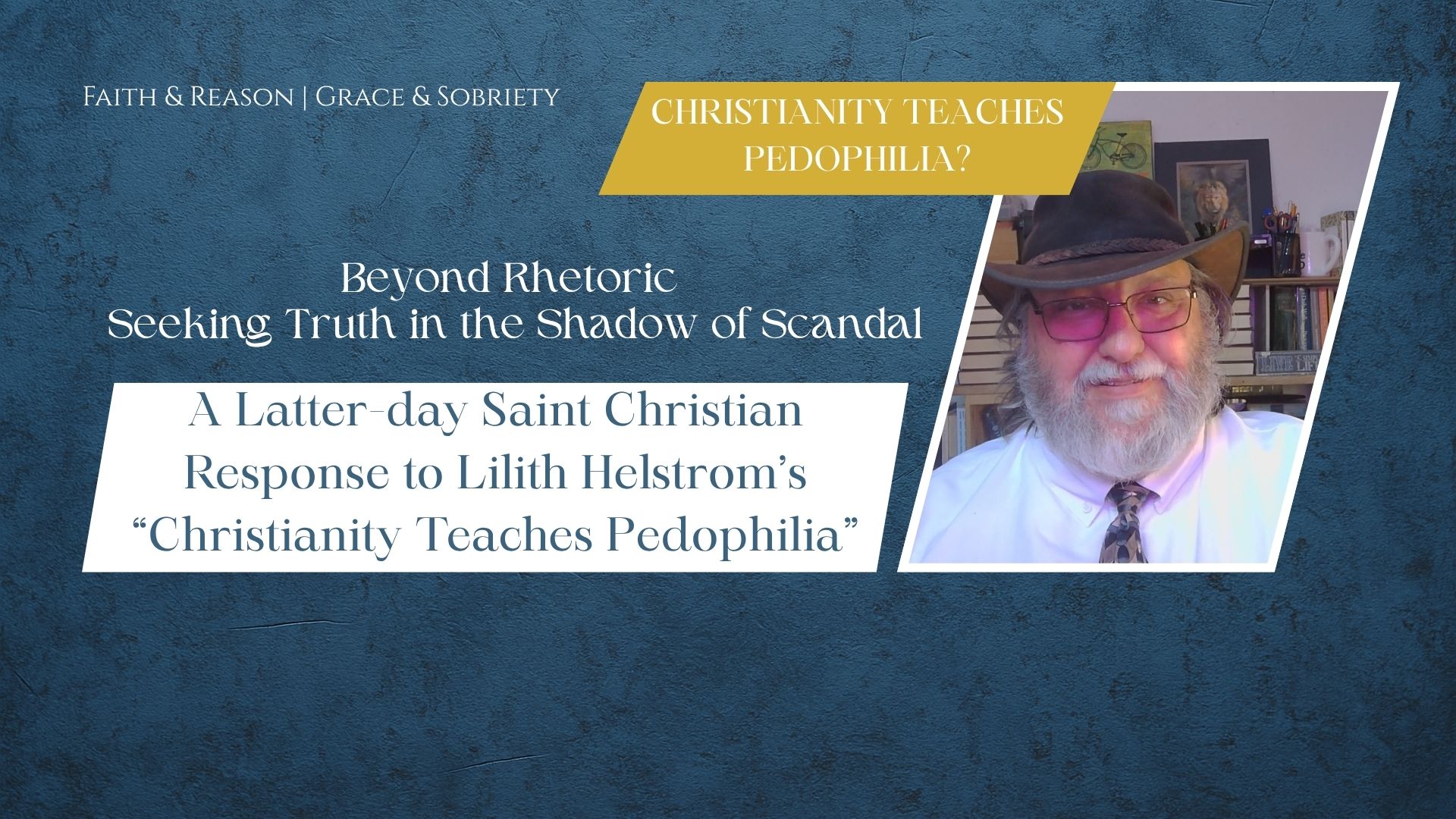
Christianity Does Not Teach Pedophilia: A Scholarly Response to Lilith Helstrom’s “Christianity Teaches Pedophilia”

Christianity Does Not Teach Pedophilia: A Scholarly Response to Lilith Helstrom’s “Christianity Teaches Pedophilia”

Introduction: Beyond Rhetoric—Seeking Truth in the Shadow of Scandal

In the modern digital landscape, the weight of a claim is often measured by its volume rather than its veracity. When an assertion is bold enough, it possesses a certain gravity that can feel persuasive to the casual observer, even when it begins to collapse under the slightest empirical scrutiny. Lilith Helstrom’s recent article, Christianity Teaches Pedophilia, is a prime example of this phenomenon. It is a piece built upon a premise that is intentionally incendiary, deeply emotionally charged, and—as the data will show—profoundly misleading.

The reality of sexual abuse is a global crisis and a harrowing human tragedy that leaves a wake of devastation in every corner of society. Because of the gravity of this issue, it demands an honest, evidence-based analysis that prioritizes the safety of the vulnerable over the scoring of ideological points. To address such a sensitive topic with sweeping generalizations is to do a disservice to survivors; it collapses complex, ancient faith traditions into flat caricatures, obscuring the very nuances that are required to build effective systems of protection.

When rhetoric is allowed to replace research, the casualties are the victims themselves. Truth is not served by inflammatory headlines that misidentify the source of a systemic problem. This response seeks to move the conversation back toward a standard of intellectual integrity. By drawing on a multi-disciplinary framework—including peer-reviewed scholarship, empirical criminology, historical biblical studies, and modern sexual-integrity research—we will evaluate Helstrom’s argument with a commitment to fairness.

Our goal is not merely to offer a rebuttal, but to "steelman" her strongest points regarding institutional failure and then provide the necessary factual and logical corrections to the errors that undermine her ultimate conclusion. In doing so, we aim to uphold a higher standard of dialogue—one where the protection of children and the pursuit of truth are held as the highest priorities.

Wednesday, January 7, 2026

Deconstructing the Narrative of Theft: A Historical Refutation of Lilith Helstrom’s Claims on Christianity and Genocide

Deconstructing the Narrative of Theft: A Historical Refutation of Lilith Helstrom’s Claims on Christianity and Genocide

Is a person who identifies as a Christian possess stolen faith? If you have read Lilith Helstrom’s recent feature article, Jesus Caused The Palestinian Genocide, in Deconstructing Christianity, you’ve likely felt the sting of her central accusation: That Christianity is nothing more than a “religion of thievery” — a theological kleptomania that stole its holidays from pagans, its God from the Jews, and now, she claims, fuels the fires of genocide in Gaza.

Christians will say that the major theme of their religion is forgiveness and second chance.

I disagree. The most prominent theme in all of Christianity is thievery.

So many gods died and rose again before Christianity existed, including Osiris, Adonis, Attis, and Dionysus. The Sumerian goddess, Inna, was even dead three days and three nights before she was resurrected.

So how did Christians get their forgiveness story of Jesus dying on the cross and rising again? Through theological thievery.

Our culture is in a moment where people seem to be deconstructing from everything — gender, institutions, government, and now even the foundations of history itself. Helstrom’s argument strikes quite a nerve. It is a polemic weave of a terrifying narrative that connects the resurrection of Jesus to the so‑called “Jewish Problem” and the horrors of modern antisemitism.

Is the viral “history” actually historical? Or is it a dangerous distortion that conflates ancient myth with eyewitness reality?

Helstrom’s article is not a mere atheistic critique; it is a sweeping cultural indictment. She argues that because Christianity supposedly “stole” its resurrection story from myths like Osiris and Dionysus, it created a subconscious crisis — a Jewish Problem — that forces Christians either to assimilate Jews (under the guise of Christian Nationalism) or annihilate them (Nazism) to cover up the theft. In her telling, the Christian God becomes the architect of genocide, with a straight line drawn from the empty tomb to the current violence in Palestine.

These are heavy charges, and they demand more than a defensive shrug. They require forensic examination of history. If Christianity is merely a copycat religion, then its moral authority is indeed bankrupt. But if the similarities between pagan myths and the gospel are not evidence of theft, but of a “Divine Pattern” — echoes of truth scattered throughout time to prepare the world for a reality that actually happened — then her entire house of cards collapses.

Tuesday, December 23, 2025

Lesson 5: The Church of the First Century & Restoration Parallels

Lesson 5: The Church of the First Century & Restoration Parallels

Was the "Great Apostasy" just a loss of truth, or was it a loss of power? In our latest installment of the Apostasy to Restoration: Reformation or Restoration - That is the Question series, I examine the structural and spiritual disintegration of the First Century Church and the divine pattern required to restore it.

Watch the Premiere Join me for the full lesson at 7:30 PM PST as I connect the dots between the ancient Church and the modern Restoration.

The Divine Pattern of Authority Before the Church could conquer the world, it had to be organized. In Acts 1, Peter uses three specific words to define the vacancy left by Judas:

  1. Diakonia: The duty to serve.
  2. Episkopē: The position of oversight (acting as a proxy for God’s visitation).
  3. Apostolē: The commission to go out as an ambassador.

However, structure alone wasn't enough. The Apostles were commanded to wait for "power from on high."

Pentecost and the Kirtland Temple One of the key insights from this lesson is the parallel between the Day of Pentecost (Acts 2) and the dedication of the Kirtland Temple (1836). By using the lens of the Restoration, we can see that Pentecost was not just a revival; it was a Temple Endowment.

  • The Upper Room: Functioned as a "Holy of Holies."
  • Cloven Tongues of Fire: Signified the investiture of the High Priesthood upon every believer.
  • The Kirtland Parallel: Early Saints recorded identical manifestations—rushing winds and tongues of fire—confirming that Joseph Smith didn't just invent a new church; he restored the ancient experience.

Peter’s Sermon as a Temple Text We also discuss the work of scholars who argue that Peter’s sermon follows a liturgical "Temple Text" pattern: Gathering, Instruction on the Atonement, and Covenant Making (Baptism). Peter wasn't just preaching on a street corner; he was officiating as a High Priest.

Monday, June 30, 2025

Overcoming Negative Self-Talk

Introduction

“Hey everyone, welcome to Sacred Sobriety: A Path for the Soul! Today, we’re diving into Day 16 of our journey through Keystones of Faith: Courage and Wisdom for Christians in Recovery. Our focus? Overcoming negative self-talk—a hurdle that can trip up even the strongest of us in recovery. If you’ve ever heard that little voice in your head saying, ‘I’m not enough,’ or ‘I’ll never make it,’ then stick around. This 90-minute session is all about breaking free from those lies and stepping into the thriving, sober, and mindful life God has for you through Jesus Christ.

We’re going to unpack scripture, share practical steps, and give you key takeaways to solidify your recovery progress. Whether you’re new to Christian recovery or a seasoned traveler on this path, this video is your safe space to grow and heal. So, grab a notebook, get comfy, and let’s start with a quick prayer.”

Opening Prayer

“Holy Spirit, we invite You into this time. Help us to focus on what is true, noble, and praiseworthy in Your eyes. Guide us as we learn to overcome negative self-talk and replace lies with Your truth. Amen.”

Why Negative Self-Talk Matters in Recovery

“Let’s start by talking about what negative self-talk is and why it’s such a big deal, especially in Christian recovery. You know that inner chatter? The stuff like ‘I’m a failure,’ ‘I don’t deserve this,’ or ‘I’ll never stay sober’? That’s negative self-talk, and it’s sneaky. It creeps in when you’re tired, stressed, or facing temptation, and it can erode the newfound worth you’re building in sobriety.

In the context of sacred sobriety, this isn’t just a mental health issue—it’s a spiritual one. The enemy loves to use these lies to keep you stuck in shame, but Jesus Christ offers a better way. Overcoming negative self-talk is about reclaiming your mind for God’s truth. It’s a crucial step to living a crucified life—one that’s surrendered to Him and free from addiction’s grip.”

Today’s Scripture: Philippians 4:8

“Our anchor for today is Philippians 4:8, which says: ‘Finally, brothers and sisters, whatever is true, whatever is noble, whatever is right, whatever is pure, whatever is lovely, whatever is admirable—if anything is excellent or praiseworthy—think about such things.’ Wow, what a verse! This is like a roadmap for our minds. It’s telling us to stop obsessing over the lies and start focusing on God’s goodness.

For those of us in recovery, this scripture is gold. When negative self-talk hits—like ‘I’m not enough’—Philippians 4:8 reminds us to pivot. Is that thought true? Noble? Right? No way! Instead, we can replace it with something praiseworthy, like God’s promise that we’re loved, redeemed, and capable through Him. This verse isn’t just inspiration; it’s a practical tool we’ll use today.”

How Negative Self-Talk Sabotages Recovery

“So, how does negative self-talk mess with your sober and mindful life? Let’s break it down. Imagine you’re having a tough day. Maybe you’re stressed, or you passed by that old spot where you used to drink. Suddenly, your mind says, ‘You’re weak. You’re going to fail.’ If you let that thought take root, it can spiral. You start believing it, and next thing you know, you’re doubting your recovery, your worth, even God’s grace.

Here’s a key takeaway: Your thoughts shape your actions. In Christian recovery, a negative mindset can make you feel defeated before you even fight the battle. It can distort how you see Jesus Christ—making Him feel distant or disappointed when, in reality, He’s right there, arms open. Overcoming negative self-talk isn’t just about feeling better; it’s about staying the course in your thriving sober life.”

Spotting the Lies: Common Negative Thoughts

“Let’s get specific. What are some negative thoughts you might face in recovery? Here’s a short list:

  • ‘I’ll never stay sober.’
  • ‘I’m a burden to everyone.’
  • ‘God’s done with me.’
  • ‘I don’t deserve happiness.’

Sound familiar? If so, you’re not alone. These lies are universal, especially when you’re rebuilding your life. But here’s the thing—they’re not true. They don’t line up with Philippians 4:8, and they don’t reflect who you are in Jesus Christ. The first step to overcoming negative self-talk is recognizing it. So, pause right now—think about the last negative thought you had. Got it? Good. We’re going to tackle it next.”

Replacing Lies with God’s Truth

“Now that we’ve spotted the lies, let’s replace them with truth. Our reflection today says it perfectly: ‘Replace lies—like “I’m not enough”—with God’s truth.’ Here’s how we do it, using scripture as our weapon. Check out these examples:

  • Lie: ‘I’ll never stay sober.’
    Truth: ‘I can do all things through Christ who strengthens me.’ (Philippians 4:13)
  • Lie: ‘I’m a burden.’
    Truth: ‘God has not given me a spirit of fear, but of power, love, and a sound mind.’ (2 Timothy 1:7)
  • Lie: ‘God’s done with me.’
    Truth: ‘For we are God’s handiwork, created in Christ Jesus to do good works.’ (Ephesians 2:10)
  • Lie: ‘I don’t deserve happiness.’
    Truth: ‘There is now no condemnation for those who are in Christ Jesus.’ (Romans 8:1)

See the pattern? When a lie pops up, counter it with a scripture-based truth. Keep a list of these verses handy—on your phone, in a journal, wherever. Speak them out loud. There’s power in that.”

Recovery Focus: Catch and Counter

“Here’s your action step for today—our recovery focus: Catch a negative thought and counter it with a scripture-based truth. Let’s walk through it:

  1. Catch It: Listen to your thoughts today. When something negative hits, write it down.
  2. Challenge It: Ask, ‘Is this true? Does it match Philippians 4:8?’
  3. Counter It: Find a scripture that shuts it down. Don’t know one? Google it or use a Bible app.
  4. Claim It: Say the truth out loud. For example, if it’s ‘I’m not enough,’ declare, ‘I am fearfully and wonderfully made.’ (Psalm 139:14)

Try this right now. Pause the video, think of a negative thought you’ve had lately, and counter it. I’ll wait! This is how you solidify your recovery progress—one thought at a time.”

The Power of Community

“Overcoming negative self-talk isn’t a solo gig. In Christian recovery, community is huge. Surround yourself with people who’ll speak God’s truth when you can’t. Share your struggles with a friend, a mentor, or your recovery group. They can remind you of Philippians 4:8 when you’re stuck in the mud.

Isolation makes negative thoughts louder. But in community, you’re lifted up. If you don’t have a group yet, start small—reach out to someone today. You’re not a burden; you’re a blessing.”

Mindful Living: Staying in the Moment

“Another tool for your sober life? Mindful living. For us, that means staying present in God’s truth. Negative self-talk loves to drag you into the past—‘Look what you did’—or the future—‘You’ll mess up again.’ But Jesus Christ meets you right here, right now.

When you feel that spiral, take a breath. Say, ‘God’s mercies are new every morning.’ (Lamentations 3:22-23) List three things you’re grateful for today. It’s a game-changer for keeping your mind on what’s true and praiseworthy.”

A Crucified Life: Surrendering Your Mind

“Living a crucified life through Jesus Christ means surrendering everything—including your thoughts. 2 Corinthians 10:5 says we ‘take every thought captive to make it obedient to Christ.’ That’s the goal. You won’t be perfect at it overnight, but every time you catch a lie and replace it with truth, you’re living out that surrender.

This is what thriving looks like: a mind renewed, a heart aligned with Him, and a life free from the chains of negative self-talk and addiction.”

Conclusion and Call to Action

“Thanks for hanging out with us for Day 16 of Sacred Sobriety. Here’s your takeaway: Overcoming negative self-talk is a daily practice that strengthens your recovery and your faith. Keep catching those lies, countering them with scripture, and leaning on your community.

If this resonated with you, hit that like button, subscribe, and share it with someone who needs it. Check out the rest of our Keystones of Faith series for more on living a thriving, sober, and mindful life through Jesus Christ. Let’s close with today’s prayer: ‘Holy Spirit, help me focus on what is true and praiseworthy in Your eyes. Amen.’ See you next time!”

Saturday, June 21, 2025

Discovering Your Worth in God

"Welcome to Sacred Sobriety: A Path for the Soul. I’m [Your Name], and I’m so glad you’re here today. We’re diving into something deeply personal and transformative: discovering your worth in God.

If you’re watching this, maybe you’re wrestling with doubt, battling fear, or questioning your value—especially if you’re on a recovery journey. I get it. Those feelings can weigh heavy, making you wonder if you’re truly worthy of love or redemption. But here’s the truth I want you to hear right now: you are not alone, and God sees you exactly where you are. He loves you, and He has a purpose for your life.

Today, we’re going to unpack what it means to find your worth in God, rooted in His Word. We’ll start with Psalm 139:14, explore how living a mindful crucified life through Jesus Christ can transform your recovery, and share practical steps to embrace your God-given value. So, grab a notebook, settle into a quiet space, and let’s journey together toward hope and healing."

Section 1: Exploring Self-Worth in God’s Eyes

"Let’s begin with a scripture that’s like a balm for the soul: Psalm 139:14. It says, ‘I praise you because I am fearfully and wonderfully made; your works are wonderful, I know that full well.’

Take a deep breath and let those words wash over you. You are fearfully and wonderfully made. But what does that really mean for you, especially if you’re in recovery and struggling to believe it?

‘Fearfully made’ means God created you with awe and reverence. You’re not a random occurrence—every detail of who you are was shaped by His hands. And ‘wonderfully made’ means there’s a unique beauty in you, a masterpiece quality that reflects God’s creativity. Your worth isn’t tied to your past mistakes, the opinions of others, or even how you feel about yourself on your toughest days. It’s rooted in the fact that God made you—and He doesn’t make anything less than wonderful.

To give this more context, let’s look at Psalm 139:13-16:

‘For You formed my inward parts; You wove me in my mother’s womb. I will give thanks to You, for I am fearfully and wonderfully made; Wonderful are Your works, And my soul knows it very well. My frame was not hidden from You, When I was made in secret, And skillfully wrought in the depths of the earth; Your eyes have seen my unformed substance; And in Your book were all written The days that were ordained for me, When as yet there was not one of them.’

God knew you before anyone else did. He saw every moment of your life—your highs, your lows, your struggles with addiction or doubt—and He still said, ‘You are mine, and you are enough.’ This is a game-changer in recovery because it dismantles the lie that you’re defined by your past. You’re defined by your Creator."

"So, wherever you are right now, hear this: You are God’s masterpiece. Not because of what you’ve done, but because of who He is."

Section 2: Overcoming Low Self-Esteem in Recovery

"Now, let’s address something many of us face in recovery: low self-esteem. Maybe you’re carrying shame from things you’ve done, guilt over people you’ve hurt, or a nagging sense that you’ll never measure up. Those feelings are real, and they’re tough—but they’re not the final word.

In recovery, we often need to set boundaries to protect our sobriety, but we also need to shift our focus to self-worth. And that shift starts with seeing ourselves through God’s eyes, not the world’s.

Here’s a scripture to hold onto: Ephesians 2:10. ‘For we are His workmanship, created in Christ Jesus for good works, which God prepared beforehand so that we would walk in them.’

You are His workmanship—a work of art. The Greek word here is poiema, where we get ‘poem’ from. You’re God’s poetry, crafted with purpose. And that purpose? Good works He’s already planned for you. Recovery isn’t just about leaving addiction behind—it’s about stepping into the life God designed for you.

Another verse that speaks to this is 1 Peter 2:9: ‘But you are a chosen race, a royal priesthood, a holy nation, a people for God’s own possession, so that you may proclaim the excellencies of Him who has called you out of darkness into His marvelous light.’

You’re chosen, royal, holy, and God’s own. That’s your identity in Christ. When low self-esteem creeps in, fight back with this truth: God called you out of darkness—your struggles, your pain—into His light. You’re not worthless; you’re priceless to Him."

"Recovery can feel like a battle, but you’re not fighting alone. God’s rewriting your story, and it’s one of worth and redemption."

Section 3: Living a Mindful Crucified Life

"So, how do we live this out day by day, especially in recovery? That’s where Galatians 2:20 comes in—a verse that’s all about living a mindful crucified life through Jesus Christ. It says:

‘I have been crucified with Christ; and it is no longer I who live, but Christ lives in me; and the life which I now live in the flesh I live by faith in the Son of God, who loved me and gave Himself up for me.’

This is powerful. Being ‘crucified with Christ’ means your old self—the one caught in addiction, fear, or shame—doesn’t run the show anymore. It’s been put to death, and now Christ lives in you. Your worth, your strength, your sobriety—they come from Him.

In recovery, this is freedom. You don’t have to white-knuckle your way through every temptation. Instead, you can live by faith in Jesus, who loved you enough to die for you.

But here’s the catch—it requires mindfulness and surrender. A crucified life means letting go of control and trusting God’s plan, even when it’s hard. It’s waking up each morning and praying, ‘Lord, I can’t do this alone. Live through me today.’

For me, this changed everything. ‘There was a time I thought sobriety was impossible. I’d fall, beat myself up, and feel worthless. But when I started surrendering to Christ daily, I found peace I couldn’t explain.’ That’s what a crucified life offers: transformation through Him."

"In sobriety, this mindfulness keeps us grounded. It’s not about being perfect—it’s about relying on Christ, one step at a time."

Section 4: Scriptural Insights for Strength and Encouragement

"Let’s dig into a few more scriptures that can anchor you in recovery and remind you of your worth in God’s eyes.

First, Romans 8:37-39: ‘But in all these things we overwhelmingly conquer through Him who loved us. For I am convinced that neither death, nor life, nor angels, nor principalities, nor things present, nor things to come, nor powers, nor height, nor depth, nor any other created thing, will be able to separate us from the love of God, which is in Christ Jesus our Lord.’

You’re more than a conqueror—not because of your strength, but because of His love. Nothing—not your past, not your fears—can separate you from God. That’s security you can cling to when doubt creeps in.

Next, Isaiah 43:1: ‘Do not fear, for I have redeemed you; I have called you by name; you are Mine!’

God’s redeemed you. He knows your name—every part of your story—and He says, ‘You are Mine.’ When fear or shame tries to pull you back, stand on this promise.

And one more, Zephaniah 3:17: ‘The Lord your God is in your midst, A victorious warrior. He will exult over you with joy, He will be quiet in His love, He will rejoice over you with shouts of joy.’

God isn’t just with you—He’s celebrating you. He’s a warrior fighting for you, and He delights in you with joy. That’s how much you mean to Him."

"These verses are your lifeline. Write them down, put them where you’ll see them, and let them remind you who you are in God’s eyes."

Practical Application – Embracing Your God-Given Qualities

"Now, let’s get practical. In recovery, we often fixate on our flaws, but God invites us to see His gifts in us. Here’s a simple exercise: grab your notebook and write down three qualities God gave you. Maybe it’s your resilience, your creativity, your ability to care for others—whatever comes to mind.

Got them? Now, thank God for each one. Say, ‘Lord, thank You for making me [quality]. Help me use it for Your glory.’ For example, ‘Lord, thank You for making me patient. Thank You for giving me a heart to listen.’

This isn’t just feel-good stuff—it’s a way to rewire your thinking. It counters low self-esteem by focusing on God’s design in you. And those qualities? They’re tools for your recovery and beyond—ways to bless others and live out your purpose."

Conclusion and Prayer

"As we close, let’s tie it all together. Your worth comes from God, who made you fearfully and wonderfully. Through a crucified life in Christ, you find strength to thrive in sobriety. Scriptures like Psalm 139, Galatians 2:20, and Romans 8 remind you of His love and your value.

If you’re still struggling to believe this, that’s okay—faith and recovery are journeys. Keep seeking God, lean on His Word, and find a community that lifts you up. You’re worth it.

Let’s end with a prayer."

"Lord, help me see myself as You see me—fearfully and wonderfully made. When I doubt my worth, remind me of Your love and the purpose You have for my life. Thank You for redeeming me, for calling me by name, and for rejoicing over me with joy. Guide me as I live a crucified life, relying on Your strength in my recovery. In Jesus’ name, Amen."

"Thanks for joining me today on Sacred Sobriety. If this spoke to you, hit that like button, share it with someone who needs it, and subscribe for more videos on faith, recovery, and thriving in Christ. You are loved, you are worthy, and you’re never alone. See you next time!"

y 60 minutes when delivered at a natural pace with pauses for reflection. It’s optimized for SEO with rich, keyword-relevant content (e.g., “discovering your worth in God,” “sacred sobriety,” “recovery and faith”), while staying authentic and engaging for viewers seeking hope and practical faith-based guidance.

Monday, January 13, 2025

Is the Restored Gospel a Cult? An LDS Apologetic Response to Common Criticisms


Photo by Michael Hart on Unsplash


Labels like "cult" often confuse and misrepresent the beliefs of the Church of Jesus Christ of Latter-day Saints. It's essential to understand that this label is usually applied without a clear grasp of our faith and its teachings. In this post, I’ll provide a thoughtful response to the question: Is the Latter-day Saint Christian faith a cult?

We’ll explore the core principles of the Restored Gospel, how we align with Christian beliefs, and what sets us apart from traditional definitions of a cult. Through scripture and personal belief, I aim to clarify misconceptions and highlight the importance of a respectful understanding of Latter-day Saint beliefs.

If you've encountered these criticisms, you're not alone, and together we can address these misunderstandings. I invite you to join the conversation—comment, like, share, and subscribe. Your support helps expand our reach, so we can educate others about the true nature of our faith.

Etymology and Evolution of the Word 'Cult'

Understanding the evolution of the term 'cult' helps clarify its implications today, especially in discussions about the Church of Jesus Christ of Latter-day Saints. The word's journey from its origins to its current usage highlights crucial distinctions.

Historical Context

The term 'cult' first appeared in the English language around the 1610s, linked to worship and devotion. It comes from the Latin word cultus, which means "care" or "adoration." In its original context, 'cult' referred to a system of worship or a group of practices dedicated to a deity. Over time, it evolved to describe various forms of veneration, including communal gatherings dedicated to a shared belief system.

In the 1670s, the term broadened to signify a specific form of worship, often rooted in cultural or religious traditions. This historical background centers on reverence and communal practices, reflecting a positive and devoted connotation. It resonates with the heart of what many religions, including the Latter-day Saints, embody: a commitment to faith, community, and shared values.

Modern Connotations

Today, the word 'cult' carries heavier implications, often wielded as a label for groups perceived as unorthodox or deviant from mainstream belief systems. This shift in meaning can evoke strong emotions and often incites skepticism or fear. The term has been weaponized against various religious groups, including the LDS Church.

Many feel the label is inaccurately assigned, depending more on the observer's biases than the actual practices of the faith. The Latter-day Saint community embodies core Christian beliefs, emphasizing compassion, service, and a relationship with Jesus Christ. When critics label the Restored Gospel as a "cult," they might overlook these fundamental principles.

This redefinition strikes at the very core of our identity, often reducing a rich, faith-driven community to a narrow, pejorative term. By understanding the evolution of the word 'cult,' we can better address its implications and combat misconceptions.

Engage with this topic. What are your thoughts on the use of the term 'cult' regarding the LDS Church? I invite you to comment, like, share, and subscribe. Your contributions foster dialogue and understanding about our faith and its true nature.

Refuting the Cult Label

When discussing the label of "cult" in relation to the Church of Jesus Christ of Latter-day Saints, it's vital to consider the core tenets that define our beliefs. Rather than viewing us through a narrow lens, we should explore the depth and richness of our faith. This will help clarify misunderstandings and provide a more accurate perspective on the Restored Gospel.

Biblical Authority and Worship Practices

Latter-day Saints honor the Bible as sacred scripture. We see it as one of the key texts that guide our faith, alongside other scriptures like the Book of Mormon, Doctrine and Covenants, and the Pearl of Great Price. This concept of an open canon may surprise some, but it reflects our belief that God continues to reveal truths to humanity.

LDS worship includes communal practices such as prayer, hymn singing, and the sacrament, similar to many Christian denominations. We gather weekly for services to worship God and strengthen our community. Our emphasis on family and service sets us apart, as we strive to embody Christ's teachings through actions.

Doctrines of God and the Trinity

Latter-day Saints have a distinct understanding of God, often referred to as the Godhead. We believe that the Father, the Son, and the Holy Ghost are three separate beings, united in purpose rather than essence. This view differs from the traditional Christian doctrine of the Trinity, which presents God as one being in three persons.

This understanding emphasizes individualism while affirming a divine unity. For Latter-day Saints, this concept encourages a personal relationship with each member of the Godhead. We draw comfort in knowing that God knows us as individuals, allowing us to approach Him with confidence.

Grace and Works

The relationship between grace and works is one of the most discussed topics in LDS theology. Latter-day Saints believe that salvation comes through the grace of Jesus Christ. However, we also hold that works play a crucial role in our spiritual growth and development.

Scripture tells us, "we are saved by grace, after all we can do" (2 Nephi 25:23). This perspective highlights that while we cannot earn our salvation through deeds alone, our actions reflect our faith and commitment to following Christ. By living a life of service and obedience, we demonstrate our love for God and our willingness to embrace His teachings.

Joseph Smith and Prophetic Authority

Criticism of Joseph Smith often centers on whether he was a true prophet. Many question his prophetic authority due to alleged false prophecies or personal shortcomings. However, it's crucial to understand the context of his revelations.

Joseph Smith's role in restoring the gospel is foundational for Latter-day Saints. His teachings and experiences, like the First Vision, provide insight into his divine calling. Critics may focus on isolated incidents, but many members view his contributions through a broader lens, considering the fulfillment of prophecies and the profound impact of his revelations on the church and its followers.

Engaging in open discussions about these topics can foster understanding. I encourage you to share your thoughts in the comments. Like, share, and subscribe to help us spread accurate information about our beliefs and build a more respectful dialogue about the Restored Gospel.

Modern Misuse of 'Cult' by Evangelicals

The term 'cult' has evolved, especially among evangelicals, who often apply it to groups they perceive as deviating from mainstream Christianity. This misuse has serious implications for how faith communities are viewed and understood. For the Latter-day Saints, being labeled a cult can distort our core beliefs and values.

The Evangelical Perspective

Many evangelicals see themselves as protectors of traditional Christian doctrine. This leads to a tendency to label groups that disagree with their interpretations as cults. The term, in this context, serves two purposes: it creates a clear distinction between "true" Christianity and "false" beliefs, and it reinforces a sense of identity among evangelicals.

But what defines a cult in this framework? Often, it boils down to strict leadership, control over members, and teachings that significantly deviate from biblical scripture. While these are valid concerns, they don’t accurately describe the practices of the Latter-day Saints. Our church emphasizes free agency and individual relationships with God, challenging the simplistic categorization of 'cult.'

Impact on Dialogue

Using the term 'cult' hinders constructive dialogue between faith communities. When evangelicals label Latter-day Saints as a cult, it often leads to misunderstandings. The focus shifts from discussing theology to defending a label that may not even fit. This creates barriers and prevents meaningful conversations about shared values.

Instead of fostering understanding, this label generates division. Evangelicals may overlook key principles of our faith, such as Jesus Christ's role as the Savior and our commitment to serving others. This mislabeling can alienate members from one another and discourage open discussions about belief and faith.

The Danger of Labels

Labels have power. When evangelicals call the Restored Gospel a cult, it can fuel stereotypes and create an environment of fear and mistrust. This is not only unfair but also detrimental to interfaith relationships. By reducing our beliefs to a single word, they fail to appreciate the nuance and depth of our faith.

Just as we seek mutual understanding and respect, it is important for all faith communities to be mindful of their language. Words matter, and assessing each other's beliefs through respectful dialogue can bridge gaps rather than widen them.

A Call for Greater Understanding

It’s time to approach discussions about religion with an open heart and mind. Questions about faith shouldn't be wrapped in labels or assumptions. Instead of labeling believers, why not focus on understanding the core tenets of each other's beliefs?

I encourage you to engage with these ideas. How do you navigate conversations about faith? Have you experienced moments where labels led to misunderstandings? I invite you to comment, like, share, and subscribe to continue this important dialogue. Your experiences matter, and together we can work toward a more respectful understanding of faith.

Addressing Specific Claims Against the LDS Church

To understand the faith of the Church of Jesus Christ of Latter-day Saints, it is essential to address specific misunderstandings that often arise. The criticisms leveled against us can be misinformed or misconstrued, causing confusion about our beliefs. Here, I aim to clarify a few of these claims.

Mormonism Teaches Polytheism

A common claim is that Latter-day Saints are polytheistic, believing in many gods. However, our doctrine centers on the concept of divine theism. We affirm that while God the Father, Jesus Christ, and the Holy Ghost are distinct beings, they are united in purpose and mission. The core of our belief is that there is one God who embodies the roles of the Father, Son, and Holy Spirit, working together harmoniously (as noted in John 10:30).

This unity fosters a personal relationship with each member of the Godhead, allowing us to connect with them individually while recognizing their collective oneness in purpose. Critics often misinterpret our theology by focusing on the separate identities of God, Jesus, and the Holy Ghost, failing to see the unity that defines their divine nature.

The Trinity is Three Gods

It’s often said that the Latter-day Saints view the Trinity as three separate gods. This is a misunderstanding. In our teachings, the Godhead comprises three distinct beings, but they share a singular divine purpose. We liken this unity to a three-legged stool—each leg is separate, yet together they provide stability.

We see God in the fullness of His roles: as our Heavenly Father, our Savior Jesus Christ, and the Holy Ghost. Our unique understanding allows for an individual connection with each personage of the Godhead, rather than a dilution of their essence.

Kolob and Other Planets

Kolob is sometimes cited as a bizarre aspect of our faith. In the Book of Abraham, Kolob is referred to as a star or celestial body that is nearest to God. It's important to note that discussions about Kolob represent speculative theology rather than core beliefs.

Many use the idea of Kolob to explore the God’s creations and majesty, but we don't see this as a literal planetary location in the way some critics suggest. Instead, Kolob often serves a metaphorical function—highlighting God's power and the vastness of creation.

Works-Based Salvation

The relationship between grace and works is a significant topic in LDS theology. Critics label our faith as “works-based,” suggesting we rely on our efforts for salvation. However, we believe that salvation is ultimately through the grace of Jesus Christ.

As stated in 2 Nephi 25:23, “we are saved by grace, after all we can do.” This doctrine illustrates that while we are saved by grace, our actions reflect our commitment to Christ. Our works are expressions of that faith, showcasing our willingness to follow His teachings.

Understanding grace and works as interconnected rather than opposing concepts is key. We strive to live righteously not to earn salvation but to manifest our love for God and gratitude for His grace.

Feel free to share your thoughts on these topics. Have you encountered similar misunderstandings? Comment, like, share, and subscribe to join the conversation and enhance the understanding of our faith. Your engagement helps clarify the true nature of the Restored Gospel.

What Defines Christianity?

To understand the distinctions of the Latter-day Saint faith and the criticisms it faces, it's important to grasp the foundational elements that define Christianity as a whole. Christianity centers around the life, teachings, and resurrection of Jesus Christ, who is regarded as the Son of God and the Savior of humanity. This fundamental belief is shared among various Christian denominations, including the Church of Jesus Christ of Latter-day Saints.

Core Beliefs

  1. The Divinity of Jesus Christ: At the heart of Christianity is the belief that Jesus is both fully human and fully divine. He is viewed as the Messiah—the one anointed to save humanity from sin. This belief transcends denominations, but interpretations may vary.

  2. The Trinity: Many traditional Christians hold to the doctrine of the Trinity, which describes God as one Being in three persons: the Father, the Son, and the Holy Spirit. This view is significant in understanding the essence of God within mainstream Christianity, yet the Latter-day Saint approach views these as distinct beings with a united purpose.

  3. Salvation: Salvation is a crucial concept in Christianity. Most Christians believe that salvation is through faith in Jesus Christ. For Latter-day Saints, this belief aligns with the broader Christian understanding, although we also emphasize the importance of works as a reflection of faith.

  4. Scripture: The Bible serves as the sacred text for most Christians. However, Latter-day Saints also embrace additional scriptures, including the Book of Mormon. This opens up various avenues for understanding and revelation.

  5. Community and Worship: The practice of gathering as a community to worship God is central to Christianity. Latter-day Saints partake in weekly services that focus on teaching the gospel, sharing testimonies, and participating in sacred ordinances.

Distinctive Features of Latter-day Saint Christianity

While there are undeniable similarities between Latter-day Saints and other Christian groups, there are distinctions worth noting:

  • Additional Scriptures: The belief in ongoing revelation through modern-day prophets introduces elements unique to Latter-day Saint doctrine.

  • Nature of God: As already mentioned, the understanding of the Godhead in LDS theology promotes a view of the Father, Son, and Holy Ghost as distinct beings, unlike the universal notion of the Trinity in traditional Christianity.

  • Eternal Progression: A unique aspect of Latter-day Saint belief is the idea of eternal progression, where individuals can continue to grow and develop spiritually even after this life.

Engaging with the Definition

How does this understanding of Christianity impact the criticisms aimed at the Latter-day Saint faith? By addressing the shared beliefs and key distinctions, it becomes clear that labeling Latter-day Saints as a "cult" overlooks the complexities and nuances of our faith. Engaging in respectful dialogue about these core principles can foster understanding.

What are your experiences or thoughts on these core beliefs? Have you encountered misunderstandings about what defines Christianity? I invite you to share your insights in the comments. Like, share, and subscribe to continue the conversation as we advocate for a clearer understanding of the Restored Gospel. Your support is invaluable in educating others about our beloved faith.

Conclusion: A Faith Centered on Christ

As I reflect on what it means to have a faith centered on Christ, the core of the Latter-day Saint belief system becomes clear. Our understanding of Jesus Christ is foundational to our identity as Christians. But what does that really entail?

Jesus Christ as Our Savior

At the heart of Latter-day Saint doctrine lies the belief that Jesus Christ is the Savior of the world. According to John 3:16, God’s love for humanity is profound; He sent His Son to save us. This understanding resonates deeply with our members and shapes our relationship with God.

The Role of Grace

We believe that grace is not just a concept but a crucial part of our faith. God's grace allows us to overcome our shortcomings and sins. Ephesians 2:8-9 emphasizes that we are saved by grace through faith. This foundational belief encourages us to strive for goodness in our lives while recognizing the continuous support we receive from Christ.

Faith in Action

Faith, for us, is not a passive state; it compels action. We actively seek to embody the love and teachings of Jesus through service and kindness. James 2:20 reminds us that faith without works is dead. We see our good deeds as expressions of our love for Christ and our gratitude for His sacrifice.

Engaging with Members of Other Faiths

Just as we value our relationship with Christ, we recognize the importance of engaging with others. When we approach discussions with grace and humility, we build bridges rather than walls. Understanding and genuinely listening to different perspectives can enrich our own faith experience.

Personal Relationship with Christ

Each Latter-day Saint is encouraged to foster a personal relationship with Jesus. This relationship serves as a guiding light in our lives. By turning to Christ in prayer and seeking His presence in our daily activities, we find direction and purpose.

Embracing this faith-centered life doesn't mean we are immune to challenges. Rather, it fortifies us with hope and resilience, ensuring that we can face life's trials with confidence rooted in Christ’s love.

I invite you to reflect on your own relationship with Christ. How does your faith inspire your actions? I encourage you to comment, like, share, and subscribe. Your stories can help others understand the beauty of a faith centered on Christ.


Tuesday, January 7, 2025

Today's Bible Reading: Genesis 13:1-14:24; Psalm 4:4-8; Proverbs 2:1-5; Matthew 6:1-18

Finding True Peace with God: Lessons from Genesis, Psalms, Proverbs, and Matthew

Many of us long for peace—real peace that's not fleeting or dependent on life's circumstances. But how do we find it, especially when life feels chaotic, or our faith is tested? Scripture offers timeless wisdom, showing that peace with God starts with trust, surrender, and a willingness to seek Him earnestly. From Abram's journey in Genesis to Jesus' teaching in Matthew, the Bible reveals clear steps to reconnect with God's presence and find lasting rest for our souls. This post dives into key passages to help you uncover that truth, inviting you to embrace God's guidance and experience the serenity only He provides.

Trusting God in Decisions: Insights from Genesis 13:1-14:24

Trusting God can be challenging, especially in moments when decisions carry weight and consequences. Genesis 13:1-14:24 provides a vivid example of how faith and reliance on God pave the way for peace, even in difficult circumstances. Abram’s journey offers lessons on humility, selflessness, and unwavering trust in God's promises.

Abram and Lot's Parting: The significance of humility and trust

When conflict arose between the herdsmen of Abram and Lot, Abram took the path of humility. Rather than asserting his rights as the elder and the one chosen by God, Abram prioritized peace. He gave Lot the first pick of the land, trusting that God's plan for him wouldn't falter. This act wasn’t weakness—it was strength rooted in faith. By refusing to escalate tension, Abram demonstrated that humility often paves the way for genuine peace in relationships. How often do we forget that humility and trust in God are powerful tools for resolving disputes?

Choosing Peace Over Advantage: Abram’s decision to let Lot choose first

Abram's decision to let Lot choose first was a bold expression of faith. In any other situation, Abram could have claimed the best for himself, ensuring security and prosperity. Instead, he chose to let Lot take the lead, even if that meant personal loss. Lot, on the other hand, chose the lush Jordan Valley—an area that looked appealing but came with hidden dangers. Abram’s choice to prioritize peace over personal gain reminds us that trusting God can mean surrendering control. Peace isn’t just about avoiding conflict; it’s about letting God decide the outcome.

God's Assurance to Abram: God's promise to Abram after the parting

After Lot departed, God reaffirmed His promises to Abram. He told Abram to look around—the land he saw in every direction was his legacy, a gift for his descendants. This reassurance came at a crucial moment. Abram had given up what looked like the best portion, yet God reminded him that His blessings far outweighed anything the world could offer. It’s a powerful reminder that when we trust God, even when it feels risky, He provides in ways that exceed our expectations.

Rescue of Lot: Abram’s faith through action

Eventually, Lot’s decision led to trouble when he and his family were taken captive during a regional conflict. Abram didn’t shrug off Lot’s plight, even though Lot’s previous choices had caused the separation. Instead, Abram stepped in with courage and faith, rallying his men to rescue Lot. This wasn’t just an act of familial duty—it showed Abram’s faith in action. He trusted that God would deliver victory, and he pursued peace for his nephew at great personal risk. Peace isn't passive; sometimes, it takes bold action rooted in faith.

Learning from Lot's Choices: The consequences of choosing based on appearances

Lot’s choice to settle near Sodom seemed logical—he picked what appeared to be the most fruitful land. However, his decision led to spiritual and physical consequences. The allure of worldly prosperity blinded him to the dangers of living near a corrupt city. In contrast, Abram’s decision to trust God brought blessings and peace. This contrast serves as a cautionary tale: chasing what looks promising without seeking God's guidance can lead to strife. Where are we making choices based on appearances rather than faith?

These verses encourage us to reflect on how we approach decisions in our lives. Are we seeking God’s peace above all, or are we leaning on our limited understanding? Let me know your thoughts in the comments below. If this section resonated with you, share it with others who might benefit from these lessons in trusting God!

Resting in God’s Peace: Insights from Psalm 4:4-8

Psalm 4:4-8 offers a profound reminder that peace is not just the absence of conflict but a state of rest found only in God. These verses call us to self-reflection, righteous living, and complete trust in God’s power to protect and comfort us. Let’s break it down and uncover how this passage shows the way to true peace.

Call to Reflection: The importance of heart examination

"Be angry, and do not sin; ponder in your own hearts on your beds, and be silent" (Psalm 4:4, ESV). This verse calls us to pause and examine our emotions—not to suppress them but to manage them wisely. Reflection is like a mirror for the soul; it reveals what’s truly going on inside. Are we harboring bitterness? Anxiety? Pride? Before rushing to act on emotions, God invites us to sit quietly and reflect.

In a world moving at breakneck speed, when was the last time you gave yourself permission to pause? Heart examination helps us align our thoughts and emotions with God’s will, making room for His peace to settle in. Silence is not weakness—it’s strength in disguise.

Sacrifices of Righteousness: How righteous acts contribute to peace

“Offer right sacrifices, and put your trust in the LORD” (Psalm 4:5, ESV). Righteous living isn’t about perfection; it’s about obedience and faith. When we prioritize acts that honor God—whether through serving others, repentance, or generosity—it creates harmony in our hearts. Why? Because righteousness aligns us with God’s design for how we’re meant to live.

Think about it this way: peace is like a melody, and righteousness are the notes. When we follow God’s way, our lives produce music that’s soothing to the soul. What “sacrifices of righteousness” can you offer today? Maybe it’s helping someone in need or surrendering a grudge.

Declaration of Safety: God’s unique ability to provide peace

"In peace I will both lie down and sleep; for you alone, O LORD, make me dwell in safety" (Psalm 4:8, ESV). This verse is powerful. It doesn’t promise safety because of wealth, status, or strength. Instead, it points to God alone as the source of true security. When we depend on worldly measures for peace, it’s like building a house on sand—unstable and unreliable.

God’s peace is different. It’s unwavering and can anchor us even during the fiercest storms. Imagine lying down at night without fear, knowing the Creator of the universe watches over you. Isn’t that the peace we all crave deep down?

Responding to Anger with Peace: Explore practical steps to manage anger

Anger isn’t inherently sinful, but how we handle it can lead to sin. Psalm 4:4 reminds us to pause and not lash out. So, how do we turn anger into peace? Here are a few steps:

  1. Pause and breathe before reacting. A moment’s break can prevent hurtful words or actions.
  2. Pray and release it to God—He’s big enough to handle raw emotions.
  3. Seek understanding, not revenge—anger often dissipates when you choose empathy.
  4. Focus on a solution, rather than clinging to the problem.

Anger is like fire. If left unchecked, it destroys, but when controlled, it can bring warmth and light. How can you approach your anger with wisdom and peace today?

Embracing God’s Comfort: Reliance on God during difficult times

Life gets hard. Loss, rejection, and failure can feel overwhelming. But Psalm 4:8 reminds us that God’s comfort is always available. Just as a child feels safe in a parent’s arms, we find refuge in God when we surrender to Him.

Trusting God doesn’t always change circumstances immediately, but it changes us. It brings reassurance that we’re not alone and that God is working behind the scenes. So, when life feels heavy, lean into His promises. Speak honestly to Him in prayer and let the weight lift from your shoulders.

What stands out to you from this passage? Does reflecting on these verses bring you closer to finding peace in your own life? Share your thoughts in the comments or pass this along to someone who needs this encouragement today!

The Treasure of God’s Wisdom: Insights from Proverbs 2:1-5

Proverbs 2:1-5 paints wisdom as a priceless treasure, one worth seeking with all our hearts. These verses aren't just poetic; they’re a guide. They show us why and how to pursue wisdom, promising that the search will lead us closer to God Himself.

Valuing Wisdom: The need to treasure God’s Word

Wisdom doesn’t just happen; it starts with valuing God’s Word above all else. Proverbs 2:1 says, "My son, if you receive my words and treasure up my commandments with you..." Notice the phrasing—receive and treasure. This isn’t about casually skimming Scripture or treating God’s Word as an afterthought. It’s about locking His words in our hearts like precious jewels.

Think about it: if you discovered a treasure map, wouldn’t you guard it and study it eagerly? God’s Word is that treasure map, guiding us toward deeper wisdom and understanding. How much effort are we putting into valuing it?

Intentional Pursuit of Understanding

The next step is action. Proverbs 2:4 encourages us to "seek it like silver and search for it as for hidden treasures." This isn’t a passive endeavor. Seeking wisdom means diving into prayer, reading Scripture purposefully, and being open to correction.

Imagine mining for silver. It takes sweat, toil, and persistence. Similarly, growing in wisdom requires more than good intentions—it’s about rolling up our sleeves and digging into God’s truth. Are we treating wisdom as something optional, or are we pursuing it like the treasure it is?

Benefits of Seeking Wisdom: Outcomes of gaining insight

What happens when we chase after wisdom? Verse 5 answers: "Then you will understand the fear of the Lord and find the knowledge of God." The promise here is immense. Wisdom helps us comprehend God’s majesty and align our lives with His truth.

Gaining insight isn’t just about being “smarter.” It’s about becoming more in tune with God’s purpose for us, making decisions with clarity, and finding peace in knowing He’s guiding our steps. Wisdom transforms not just how we think but how we live.

Fear of the Lord: The relationship between wisdom and reverence

The "fear of the Lord" isn’t about being afraid; it’s about having deep respect for God’s power and authority. It’s the foundation of wisdom (Proverbs 9:10). Why? Because when we truly grasp God’s greatness, it humbles us and puts life into perspective.

Reverence for God leads to obedience, and obedience strengthens our relationship with Him. Think of it like knowing the rules of the road—respecting traffic laws keeps drivers safe. Similarly, fearing the Lord keeps us on the path of wisdom and peace.

Aligning Actions with Wisdom: Apply wisdom to daily choices

Wisdom isn’t meant to stay in the pages of a book or the margins of Bible study notes. It’s meant to shape our daily lives. Proverbs 2:2 calls us to incline our ears and apply our hearts—this means action. Wisdom without action is like having a recipe but never cooking the meal.

What would it look like if you aligned your choices with God’s wisdom today? Maybe it’s choosing honesty over shortcuts, forgiveness over bitterness, or faith over fear. Small, daily decisions lead to lasting peace because they reflect God’s truth.

How are you storing up God’s wisdom in your life? Do these verses resonate with you? Comment below to share your thoughts or pass this along to someone who could use encouragement today!

Living a Life of Devotion: Insights from Matthew 6:1-18

Matthew 6:1-18 invites us to examine the essence of our devotion. Jesus teaches that true righteousness stems from an authentic relationship with God, rather than a desire for public recognition. In these verses, I find profound guidance on how to cultivate a life of devotion that aligns with God’s expectations and brings genuine peace.

Practicing Righteousness: The Difference Between Public and Private Acts of Faith

Practicing righteousness isn't about showcasing our good deeds. Jesus emphasizes the importance of authenticity over appearance. He warns against performing acts of charity or piety in front of others merely for accolades. When I give, pray, or fast, the motivation shouldn't be to impress but to connect. Consider it like this: a beautiful flower blooming in a secluded garden is valued more for its existence than for being on display. God cherishes our private acts of devotion, reminding us that they carry far greater significance than any public acknowledgment.

The Lord’s Prayer as a Model: Breaking Down Its Components

The Lord’s Prayer, found in Matthew 6:9-13, serves as a template for sincere prayer. It begins with an acknowledgment of God's holiness: "Our Father in heaven, hallowed be your name." Following that, we seek His kingdom and will. The prayer encompasses praise, petition, and a heart attuned to forgiveness. This model teaches me not only how to communicate with God but also how to align my desires with His purpose. By including elements such as gratitude and reliance, I find that prayer becomes a path to deeper peace.

Motivation Behind Devotion: Focusing on God’s Glory

True devotion springs from a desire to glorify God rather than ourselves. In Matthew 6:1, Jesus cautions against performing righteous acts to gain approval. When I reflect on my motives, I can ask myself: "Is this for God’s glory or my recognition?" This perspective shift transforms my actions into acts of worship. The motivation behind our devotion matters. Are we striving for accolades or seeking to honor God? This distinction shapes my spiritual journey and guides me toward genuine peace.

Fasting and Prayer: Cultivating Peace Through Spiritual Practices

Fasting and prayer are powerful tools for deepening our relationship with God. Both practices teaches discipline and a reliance on God's presence. When I fast, I intentionally empty myself of worldly distractions, creating space for God to fill. This process brings clarity and strengthens my spirit. Jesus highlights that fasting should be private, done in secret to draw closer to God, rather than to gain the attention of others. Through these spiritual disciplines, I experience a profound sense of peace as I cut away the noise and reconnect with God.

Seeking God’s Approval: Reflecting on Personal Motives

In this journey of faith, I must frequently evaluate my motives. Jesus reminds us in Matthew 6:6 that our Father sees what is done in secret. Seeking God’s approval over man’s transforms my interactions and decisions. It encourages personal reflection; am I doing this for God or for applause? Through this lens, my daily choices reflect a humble desire to please God, fostering an inner peace that transcends external circumstances. By constantly seeking His approval, I find peace in knowing I am living according to His will.

How do these insights resonate with you? Have you found yourself caught between public acknowledgment and private devotion? Share your thoughts in the comments below. If these reflections encouraged you, like, share, and subscribe for more insights. Together, let's pursue a deeper connection with God and experience the peace that comes from living a life devoted to Him.

The Life Principle of Peace with God

Finding peace with God involves understanding the principles that guide our relationship with Him. It's a transformative journey centered on obedience, surrender, self-reflection, and daily practices. Each of these components helps create a foundation for experiencing true peace in our lives.

Unity through Obedience

Obedience isn’t merely about following rules; it’s about fostering a relationship with God. When I choose to obey His words, I align my life with His will. This decision deepens my connection to Him and creates a sense of unity. Just like a well-tuned instrument sounds harmonious in a symphony, my spirit resonates with God’s purpose.

By embracing obedience, I experience the serenity that comes from knowing I’m walking in His ways. Do I trust that His guidance leads to the best life for me? The answer lies in reflecting on the blessings that flow from a heart committed to following Him.

Peace through Surrender

Letting go is often harder than it sounds. We hold on to worries, control, and past hurts. But surrendering them to God opens the door to peace. It’s like letting go of a heavy backpack after a long hike. Once I unburden myself of these weights, I can feel the freedom that comes with trust.

Psalm 55:22 says, "Cast your burden on the Lord, and He will sustain you." This assurance reminds me that peace grows when I release my hold on life’s challenges. The act of surrender is not a sign of weakness; it’s a bold step towards embracing God’s strength and provision in every aspect of my life.

Reflection on Personal Actions

Self-examination is vital for spiritual growth. I often ask myself: “Are my actions reflecting God’s love and grace?” Taking time for this reflection allows me to recognize areas needing change. It’s like checking a compass to ensure I’m headed in the right direction.

In 2 Corinthians 13:5, I’m reminded to examine myself to see if I’m in the faith. This practice paves the way for deeper intimacy with God. The more I recognize my shortcomings, the more I can lean on His mercy. This process fosters a humble heart and opens the door for transformation.

Daily Practices for Peace

Implementing practical steps into daily life nurtures lasting peace. Here are some simple ideas to consider:

  • Start each day with prayer. Dedicate time in the morning to connect with God.
  • Engage with Scripture. Read a verse or passage that focuses on peace.
  • Practice gratitude. Write down three things you are thankful for each day.
  • Meditate on God’s promises. Reflect on verses such as Philippians 4:6-7, which reassures you of His peace.
  • Serve others. Acts of kindness not only bless others but also cultivate joy and fulfillment within.

By incorporating these practices into my routine, I create an atmosphere conducive to peace. How can I make these actions a daily priority?

Final Encouragements

Unity with God is attainable and available to everyone. Remember that the journey towards peace is as essential as the destination. Throughout the ups and downs, I can hold on to the truth found in Romans 5:1: "Therefore, since we have been justified by faith, we have peace with God through our Lord Jesus Christ."

Take heart in knowing that pursuing peace is not a solo endeavor. As I cultivate a deeper relationship with God, I’ll always find His presence guiding me. So, what steps will I take today to embrace this peace? Share your thoughts in the comments, like this post, and consider subscribing for more insights on finding lasting peace with God!

Conclusion

Finding peace with God is a journey rooted in trust, humility, and sincere devotion. The stories in Genesis of Abram’s choices highlight the power of selflessness, while the psalmist reminds us that true peace comes from resting in God's presence. Proverbs encourages a relentless pursuit of wisdom, serving as a map to guide us toward a deeper relationship with Him. Lastly, Jesus teaches us that authentic devotion, free from the desire for recognition, leads us to a fulfilling spiritual life.

I invite you to reflect on these scriptures and consider how they apply to your life. How can you embrace these principles to foster peace within yourself and with God? Share your thoughts in the comments, like and share this with others who may benefit, and consider subscribing for more insights on living a peaceful life with God. Together, let's commit to this journey of faith and healing.
Today's Bible Reading: Genesis 13:1-14:24; Psalm 4:4-8; Proverbs 2:1-5; Matthew 6:1-18

Finding True Peace with God: Lessons from Genesis, Psalms, Proverbs, and Matthew

Many of us long for peace—real peace that's not fleeting or dependent on life's circumstances. But how do we find it, especially when life feels chaotic, or our faith is tested? Scripture offers timeless wisdom, showing that peace with God starts with trust, surrender, and a willingness to seek Him earnestly. From Abram's journey in Genesis to Jesus' teaching in Matthew, the Bible reveals clear steps to reconnect with God's presence and find lasting rest for our souls. This post dives into key passages to help you uncover that truth, inviting you to embrace God's guidance and experience the serenity only He provides.

Trusting God in Decisions: Insights from Genesis 13:1-14:24

Trusting God can be challenging, especially in moments when decisions carry weight and consequences. Genesis 13:1-14:24 provides a vivid example of how faith and reliance on God pave the way for peace, even in difficult circumstances. Abram’s journey offers lessons on humility, selflessness, and unwavering trust in God's promises.

Abram and Lot's Parting: The significance of humility and trust

When conflict arose between the herdsmen of Abram and Lot, Abram took the path of humility. Rather than asserting his rights as the elder and the one chosen by God, Abram prioritized peace. He gave Lot the first pick of the land, trusting that God's plan for him wouldn't falter. This act wasn’t weakness—it was strength rooted in faith. By refusing to escalate tension, Abram demonstrated that humility often paves the way for genuine peace in relationships. How often do we forget that humility and trust in God are powerful tools for resolving disputes?

Choosing Peace Over Advantage: Abram’s decision to let Lot choose first

Abram's decision to let Lot choose first was a bold expression of faith. In any other situation, Abram could have claimed the best for himself, ensuring security and prosperity. Instead, he chose to let Lot take the lead, even if that meant personal loss. Lot, on the other hand, chose the lush Jordan Valley—an area that looked appealing but came with hidden dangers. Abram’s choice to prioritize peace over personal gain reminds us that trusting God can mean surrendering control. Peace isn’t just about avoiding conflict; it’s about letting God decide the outcome.

God's Assurance to Abram: God's promise to Abram after the parting

After Lot departed, God reaffirmed His promises to Abram. He told Abram to look around—the land he saw in every direction was his legacy, a gift for his descendants. This reassurance came at a crucial moment. Abram had given up what looked like the best portion, yet God reminded him that His blessings far outweighed anything the world could offer. It’s a powerful reminder that when we trust God, even when it feels risky, He provides in ways that exceed our expectations.

Rescue of Lot: Abram’s faith through action

Eventually, Lot’s decision led to trouble when he and his family were taken captive during a regional conflict. Abram didn’t shrug off Lot’s plight, even though Lot’s previous choices had caused the separation. Instead, Abram stepped in with courage and faith, rallying his men to rescue Lot. This wasn’t just an act of familial duty—it showed Abram’s faith in action. He trusted that God would deliver victory, and he pursued peace for his nephew at great personal risk. Peace isn't passive; sometimes, it takes bold action rooted in faith.

Learning from Lot's Choices: The consequences of choosing based on appearances

Lot’s choice to settle near Sodom seemed logical—he picked what appeared to be the most fruitful land. However, his decision led to spiritual and physical consequences. The allure of worldly prosperity blinded him to the dangers of living near a corrupt city. In contrast, Abram’s decision to trust God brought blessings and peace. This contrast serves as a cautionary tale: chasing what looks promising without seeking God's guidance can lead to strife. Where are we making choices based on appearances rather than faith?

These verses encourage us to reflect on how we approach decisions in our lives. Are we seeking God’s peace above all, or are we leaning on our limited understanding? Let me know your thoughts in the comments below. If this section resonated with you, share it with others who might benefit from these lessons in trusting God!

Resting in God’s Peace: Insights from Psalm 4:4-8

Psalm 4:4-8 offers a profound reminder that peace is not just the absence of conflict but a state of rest found only in God. These verses call us to self-reflection, righteous living, and complete trust in God’s power to protect and comfort us. Let’s break it down and uncover how this passage shows the way to true peace.

Call to Reflection: The importance of heart examination

"Be angry, and do not sin; ponder in your own hearts on your beds, and be silent" (Psalm 4:4, ESV). This verse calls us to pause and examine our emotions—not to suppress them but to manage them wisely. Reflection is like a mirror for the soul; it reveals what’s truly going on inside. Are we harboring bitterness? Anxiety? Pride? Before rushing to act on emotions, God invites us to sit quietly and reflect.

In a world moving at breakneck speed, when was the last time you gave yourself permission to pause? Heart examination helps us align our thoughts and emotions with God’s will, making room for His peace to settle in. Silence is not weakness—it’s strength in disguise.

Sacrifices of Righteousness: How righteous acts contribute to peace

“Offer right sacrifices, and put your trust in the LORD” (Psalm 4:5, ESV). Righteous living isn’t about perfection; it’s about obedience and faith. When we prioritize acts that honor God—whether through serving others, repentance, or generosity—it creates harmony in our hearts. Why? Because righteousness aligns us with God’s design for how we’re meant to live.

Think about it this way: peace is like a melody, and righteousness are the notes. When we follow God’s way, our lives produce music that’s soothing to the soul. What “sacrifices of righteousness” can you offer today? Maybe it’s helping someone in need or surrendering a grudge.

Declaration of Safety: God’s unique ability to provide peace

"In peace I will both lie down and sleep; for you alone, O LORD, make me dwell in safety" (Psalm 4:8, ESV). This verse is powerful. It doesn’t promise safety because of wealth, status, or strength. Instead, it points to God alone as the source of true security. When we depend on worldly measures for peace, it’s like building a house on sand—unstable and unreliable.

God’s peace is different. It’s unwavering and can anchor us even during the fiercest storms. Imagine lying down at night without fear, knowing the Creator of the universe watches over you. Isn’t that the peace we all crave deep down?

Responding to Anger with Peace: Explore practical steps to manage anger

Anger isn’t inherently sinful, but how we handle it can lead to sin. Psalm 4:4 reminds us to pause and not lash out. So, how do we turn anger into peace? Here are a few steps:

  1. Pause and breathe before reacting. A moment’s break can prevent hurtful words or actions.
  2. Pray and release it to God—He’s big enough to handle raw emotions.
  3. Seek understanding, not revenge—anger often dissipates when you choose empathy.
  4. Focus on a solution, rather than clinging to the problem.

Anger is like fire. If left unchecked, it destroys, but when controlled, it can bring warmth and light. How can you approach your anger with wisdom and peace today?

Embracing God’s Comfort: Reliance on God during difficult times

Life gets hard. Loss, rejection, and failure can feel overwhelming. But Psalm 4:8 reminds us that God’s comfort is always available. Just as a child feels safe in a parent’s arms, we find refuge in God when we surrender to Him.

Trusting God doesn’t always change circumstances immediately, but it changes us. It brings reassurance that we’re not alone and that God is working behind the scenes. So, when life feels heavy, lean into His promises. Speak honestly to Him in prayer and let the weight lift from your shoulders.

What stands out to you from this passage? Does reflecting on these verses bring you closer to finding peace in your own life? Share your thoughts in the comments or pass this along to someone who needs this encouragement today!

The Treasure of God’s Wisdom: Insights from Proverbs 2:1-5

Proverbs 2:1-5 paints wisdom as a priceless treasure, one worth seeking with all our hearts. These verses aren't just poetic; they’re a guide. They show us why and how to pursue wisdom, promising that the search will lead us closer to God Himself.

Valuing Wisdom: The need to treasure God’s Word

Wisdom doesn’t just happen; it starts with valuing God’s Word above all else. Proverbs 2:1 says, "My son, if you receive my words and treasure up my commandments with you..." Notice the phrasing—receive and treasure. This isn’t about casually skimming Scripture or treating God’s Word as an afterthought. It’s about locking His words in our hearts like precious jewels.

Think about it: if you discovered a treasure map, wouldn’t you guard it and study it eagerly? God’s Word is that treasure map, guiding us toward deeper wisdom and understanding. How much effort are we putting into valuing it?

Intentional Pursuit of Understanding

The next step is action. Proverbs 2:4 encourages us to "seek it like silver and search for it as for hidden treasures." This isn’t a passive endeavor. Seeking wisdom means diving into prayer, reading Scripture purposefully, and being open to correction.

Imagine mining for silver. It takes sweat, toil, and persistence. Similarly, growing in wisdom requires more than good intentions—it’s about rolling up our sleeves and digging into God’s truth. Are we treating wisdom as something optional, or are we pursuing it like the treasure it is?

Benefits of Seeking Wisdom: Outcomes of gaining insight

What happens when we chase after wisdom? Verse 5 answers: "Then you will understand the fear of the Lord and find the knowledge of God." The promise here is immense. Wisdom helps us comprehend God’s majesty and align our lives with His truth.

Gaining insight isn’t just about being “smarter.” It’s about becoming more in tune with God’s purpose for us, making decisions with clarity, and finding peace in knowing He’s guiding our steps. Wisdom transforms not just how we think but how we live.

Fear of the Lord: The relationship between wisdom and reverence

The "fear of the Lord" isn’t about being afraid; it’s about having deep respect for God’s power and authority. It’s the foundation of wisdom (Proverbs 9:10). Why? Because when we truly grasp God’s greatness, it humbles us and puts life into perspective.

Reverence for God leads to obedience, and obedience strengthens our relationship with Him. Think of it like knowing the rules of the road—respecting traffic laws keeps drivers safe. Similarly, fearing the Lord keeps us on the path of wisdom and peace.

Aligning Actions with Wisdom: Apply wisdom to daily choices

Wisdom isn’t meant to stay in the pages of a book or the margins of Bible study notes. It’s meant to shape our daily lives. Proverbs 2:2 calls us to incline our ears and apply our hearts—this means action. Wisdom without action is like having a recipe but never cooking the meal.

What would it look like if you aligned your choices with God’s wisdom today? Maybe it’s choosing honesty over shortcuts, forgiveness over bitterness, or faith over fear. Small, daily decisions lead to lasting peace because they reflect God’s truth.

How are you storing up God’s wisdom in your life? Do these verses resonate with you? Comment below to share your thoughts or pass this along to someone who could use encouragement today!

Living a Life of Devotion: Insights from Matthew 6:1-18

Matthew 6:1-18 invites us to examine the essence of our devotion. Jesus teaches that true righteousness stems from an authentic relationship with God, rather than a desire for public recognition. In these verses, I find profound guidance on how to cultivate a life of devotion that aligns with God’s expectations and brings genuine peace.

Practicing Righteousness: The Difference Between Public and Private Acts of Faith

Practicing righteousness isn't about showcasing our good deeds. Jesus emphasizes the importance of authenticity over appearance. He warns against performing acts of charity or piety in front of others merely for accolades. When I give, pray, or fast, the motivation shouldn't be to impress but to connect. Consider it like this: a beautiful flower blooming in a secluded garden is valued more for its existence than for being on display. God cherishes our private acts of devotion, reminding us that they carry far greater significance than any public acknowledgment.

The Lord’s Prayer as a Model: Breaking Down Its Components

The Lord’s Prayer, found in Matthew 6:9-13, serves as a template for sincere prayer. It begins with an acknowledgment of God's holiness: "Our Father in heaven, hallowed be your name." Following that, we seek His kingdom and will. The prayer encompasses praise, petition, and a heart attuned to forgiveness. This model teaches me not only how to communicate with God but also how to align my desires with His purpose. By including elements such as gratitude and reliance, I find that prayer becomes a path to deeper peace.

Motivation Behind Devotion: Focusing on God’s Glory

True devotion springs from a desire to glorify God rather than ourselves. In Matthew 6:1, Jesus cautions against performing righteous acts to gain approval. When I reflect on my motives, I can ask myself: "Is this for God’s glory or my recognition?" This perspective shift transforms my actions into acts of worship. The motivation behind our devotion matters. Are we striving for accolades or seeking to honor God? This distinction shapes my spiritual journey and guides me toward genuine peace.

Fasting and Prayer: Cultivating Peace Through Spiritual Practices

Fasting and prayer are powerful tools for deepening our relationship with God. Both practices teaches discipline and a reliance on God's presence. When I fast, I intentionally empty myself of worldly distractions, creating space for God to fill. This process brings clarity and strengthens my spirit. Jesus highlights that fasting should be private, done in secret to draw closer to God, rather than to gain the attention of others. Through these spiritual disciplines, I experience a profound sense of peace as I cut away the noise and reconnect with God.

Seeking God’s Approval: Reflecting on Personal Motives

In this journey of faith, I must frequently evaluate my motives. Jesus reminds us in Matthew 6:6 that our Father sees what is done in secret. Seeking God’s approval over man’s transforms my interactions and decisions. It encourages personal reflection; am I doing this for God or for applause? Through this lens, my daily choices reflect a humble desire to please God, fostering an inner peace that transcends external circumstances. By constantly seeking His approval, I find peace in knowing I am living according to His will.

How do these insights resonate with you? Have you found yourself caught between public acknowledgment and private devotion? Share your thoughts in the comments below. If these reflections encouraged you, like, share, and subscribe for more insights. Together, let's pursue a deeper connection with God and experience the peace that comes from living a life devoted to Him.

The Life Principle of Peace with God

Finding peace with God involves understanding the principles that guide our relationship with Him. It's a transformative journey centered on obedience, surrender, self-reflection, and daily practices. Each of these components helps create a foundation for experiencing true peace in our lives.

Unity through Obedience

Obedience isn’t merely about following rules; it’s about fostering a relationship with God. When I choose to obey His words, I align my life with His will. This decision deepens my connection to Him and creates a sense of unity. Just like a well-tuned instrument sounds harmonious in a symphony, my spirit resonates with God’s purpose.

By embracing obedience, I experience the serenity that comes from knowing I’m walking in His ways. Do I trust that His guidance leads to the best life for me? The answer lies in reflecting on the blessings that flow from a heart committed to following Him.

Peace through Surrender

Letting go is often harder than it sounds. We hold on to worries, control, and past hurts. But surrendering them to God opens the door to peace. It’s like letting go of a heavy backpack after a long hike. Once I unburden myself of these weights, I can feel the freedom that comes with trust.

Psalm 55:22 says, "Cast your burden on the Lord, and He will sustain you." This assurance reminds me that peace grows when I release my hold on life’s challenges. The act of surrender is not a sign of weakness; it’s a bold step towards embracing God’s strength and provision in every aspect of my life.

Reflection on Personal Actions

Self-examination is vital for spiritual growth. I often ask myself: “Are my actions reflecting God’s love and grace?” Taking time for this reflection allows me to recognize areas needing change. It’s like checking a compass to ensure I’m headed in the right direction.

In 2 Corinthians 13:5, I’m reminded to examine myself to see if I’m in the faith. This practice paves the way for deeper intimacy with God. The more I recognize my shortcomings, the more I can lean on His mercy. This process fosters a humble heart and opens the door for transformation.

Daily Practices for Peace

Implementing practical steps into daily life nurtures lasting peace. Here are some simple ideas to consider:

  • Start each day with prayer. Dedicate time in the morning to connect with God.
  • Engage with Scripture. Read a verse or passage that focuses on peace.
  • Practice gratitude. Write down three things you are thankful for each day.
  • Meditate on God’s promises. Reflect on verses such as Philippians 4:6-7, which reassures you of His peace.
  • Serve others. Acts of kindness not only bless others but also cultivate joy and fulfillment within.

By incorporating these practices into my routine, I create an atmosphere conducive to peace. How can I make these actions a daily priority?

Final Encouragements

Unity with God is attainable and available to everyone. Remember that the journey towards peace is as essential as the destination. Throughout the ups and downs, I can hold on to the truth found in Romans 5:1: "Therefore, since we have been justified by faith, we have peace with God through our Lord Jesus Christ."

Take heart in knowing that pursuing peace is not a solo endeavor. As I cultivate a deeper relationship with God, I’ll always find His presence guiding me. So, what steps will I take today to embrace this peace? Share your thoughts in the comments, like this post, and consider subscribing for more insights on finding lasting peace with God!

Conclusion

Finding peace with God is a journey rooted in trust, humility, and sincere devotion. The stories in Genesis of Abram’s choices highlight the power of selflessness, while the psalmist reminds us that true peace comes from resting in God's presence. Proverbs encourages a relentless pursuit of wisdom, serving as a map to guide us toward a deeper relationship with Him. Lastly, Jesus teaches us that authentic devotion, free from the desire for recognition, leads us to a fulfilling spiritual life.

I invite you to reflect on these scriptures and consider how they apply to your life. How can you embrace these principles to foster peace within yourself and with God? Share your thoughts in the comments, like and share this with others who may benefit, and consider subscribing for more insights on living a peaceful life with God. Together, let's commit to this journey of faith and healing.