The Garment of Adam is one of the most fascinating, yet often overlooked, elements in biblical history. This sacred attire, mentioned in various apocryphal writings, provides a unique lens through which to view not only the story of Adam and Eve but also the lineage of early biblical figures. Today, we're going to explore the rich narrative surrounding the Garment of Adam, considering Jewish, Muslim, and Christian traditions.
Introduction to the Topic
The concept of Adam's Garment spans multiple religious traditions, each offering unique interpretations and insights. This blog post delves into these apocryphal texts to provide a fuller understanding of the significance and legacy of this mystical garment.
Breath is the first miracle: a single divine inhalation that turns dust into a living soul. The truth is that our recovery is not primarily a program it is about our Heavenly Father who breathes life where addiction has hollowed us out. When God breathes, we awaken to our need and to a new capacity for obedience, hope, and steady change. This episode shows how the same breath that formed Adam animates our daily exodus from bondage, shaping small habits into lasting freedom. You are not asked to manufacture life by willpower alone. Trust the One who breathes; practice the disciplines that position you to receive His breath each day and let community and prayer carry the air you cannot hold alone.
Hello and welcome Fellow Travelers to Sacred Sobriety. We continue our series Daily Exodus — Discipline of Deliverance. Daily exodus names the steady, faithful leaving of what enslaves us and the deliberate walking toward what frees us. Deliverance becomes a discipline when we choose, day by day, to depend on God, to practice obedience, and to seek His guidance as the path out of darkness and chaos.
Anchor Verse:
Then the LORD God formed the man of dust from the ground, and breathed into his nostrils the breath of life; and the man became a living person. ~ Genesis 2:7, NASB20
Prayer
Lord God, breathe into us. Where we are dry and brittle, send Your wind; where we are bound, send Your hand to loosen the cords. Teach us to rise each morning as those who have been formed by Your breath, and to walk in the freedom You give. Amen.
Some stories don’t break us because of what happened in the past. They break us because of the moment we finally hear the truth spoken out loud — the moment someone confirms our deepest fear: that the people who hurt us never saw us at all. This revelation often surfaces unexpectedly, like a sudden chill in the air, a stark reminder that our pain went unnoticed and unacknowledged. It becomes a weight we carry, a haunting echo that reverberates through our memories, reminding us of the moments when our vulnerability was met with indifference. In that instant, we realize how profoundly we craved understanding and empathy, yet instead found only shadows where we hoped for light. Each word spoken unveils layers of grief, revealing that the wounds, although buried, still fester beneath the surface, waiting to be addressed, validated, and ultimately healed.
When I read her words — the moment her mother said, “It wasn’t that bad. I never broke my arm beating you” — I felt the familiar chill of frozen anger. Not outrage. Recognition.
What she described isn’t rare. It’s not an outlier. It’s the quiet, unspoken reality of countless Christians who grew up in homes where faith and harm were intertwined, a painful experience that often goes unnoticed by those outside these communities. Many individuals bear the scars of this complex relationship, where the teachings of love and forgiveness coexist with experiences of emotional and sometimes physical abuse. For them, faith becomes a double-edged sword, instilling a sense of guilt and confusion as they grapple with their beliefs amid conflicting messages about holiness and worth. The struggle to reconcile these childhood experiences with their adult spirituality can lead to a profound sense of isolation, as they seek solace and understanding in a world that often fails to acknowledge their plight.
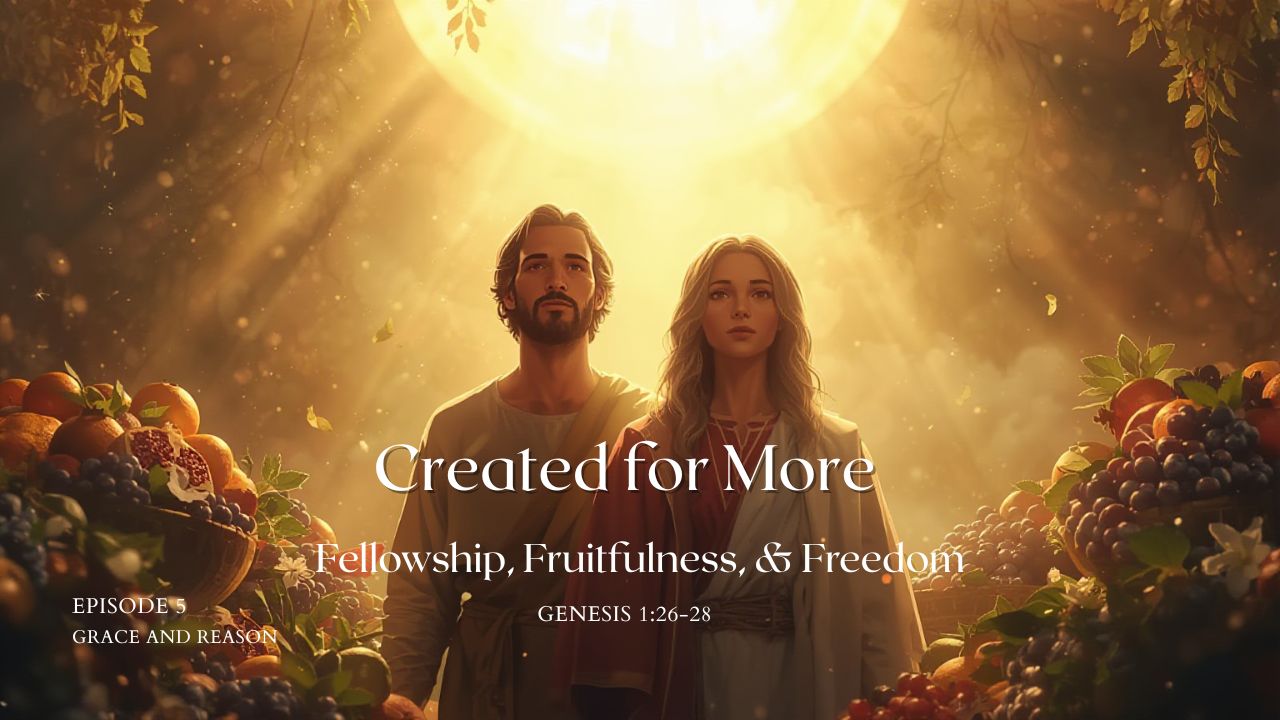
When God created humanity, He didn’t begin with rules, shame, or expectations. He began with blessing, purpose, and relationship. Before we ever failed, He called us very good. And for those of us walking the long road of recovery — from addiction, fear, codependency, or spiritual exhaustion — Genesis 1 reminds us of something we often forget: God’s original intention for us has not changed. He still loves us, still calls us, and still longs to bless us as we surrender to Him.
Hello and welcome, fellow Travelers.
Today, I want to walk with you as we continue our journey through Genesis, exploring what it means to walk in Sacred Sobriety — a path where God restores what was lost, heals what was broken, and reclaims what fear and shame tried to steal. Our anchor verse is Genesis 1:26–28, a passage that reveals God’s heart for us from the very beginning.
ANCHOR VERSE — Genesis 1:26–28 (NASB)
Then God said, “Let Us make mankind in Our image, according to Our likeness; and let them rule…”God created mankind in His own image… male and female He created them.God blessed them; and God said to them, “Be fruitful and multiply, and fill the earth…”
PRAYER
Heavenly Father, we come to You as people in need of Your restoring touch. Thank you for opening our hearts to Your original intention for us — fellowship, fruitfulness, and blessing. Thank you for healing the places where fear, pride, and shame have distorted our view of You. Teach us to surrender, not out of fear, but out of trust. In Jesus’ name, amen.