Showing posts with label Christian mental health. Show all posts

Wednesday, June 3, 2026

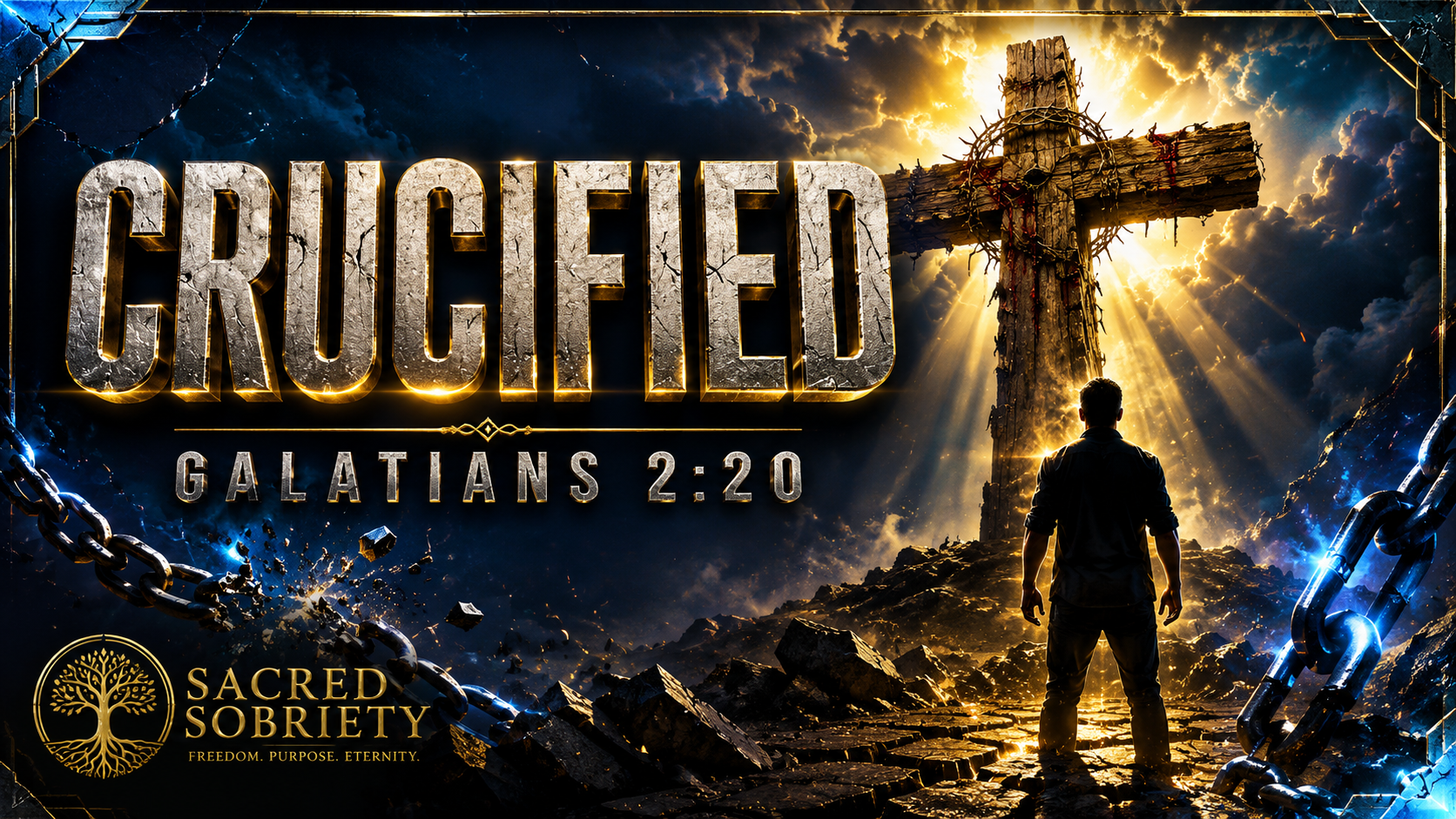
This Crucified Life: What I No Longer Miss

This Crucified Life: What I No Longer Miss

What is the purpose of this message today? Why focus on what I no longer miss? Because today's message is about what dies and what rises within each one of us. Luke 9 is the clearest, the sharpest, and the most recovery aligned call Jesus ever gives. It is a call to deny self. A call for us to take up our cross daily. A call to follow after Him. And it is one where we are asked to count the cost because it requires that we lose our life in order to save it. It is where we come to the end of ourselves, attempting to gain the appeasement of those around us, to gain what the world may offer us, yet lose our very soul in the process. It speaks directly to the "things I no longer miss" in my own addiction, codependency, chasing the girlies, and pretending to be someone I never was.

Welcome back, fellow travelers. If you haven’t watched the recent devotional in our Set of the Sail series— “The Lord Giveth Knowledge: The Spiritual Awakening of Christian Recovery”—I encourage you to do that. In that message, we talked about walking the crucified life… not coping, not managing, not surviving… but dying to self so that Christ may live fully in us. Having a real genuine spiritual awakening to the things of God.

Today, we’re going deeper. Because if we’re honest, many of us have spent years trying to “manage” life on life’s terms. But Sacred Sobriety is not about management. It’s about transformation. It’s about stepping boldly into the victory Christ already secured.

You and I have twenty‑four hours today. And I want to take a few of those minutes to speak directly to the wounds, addictions, anxieties, fears, and faith crises that have shaped us.

Because there are things I no longer miss. And I want to show you why.

Anchor Verse — Luke 9:23–26: “If any want to become my followers, let them deny themselves and take up their cross daily and follow me. For those who want to save their life will lose it, and those who lose their life for my sake will save it.”

This is the heartbeat of recovery. This is the heartbeat of discipleship. This is the heartbeat of Sacred Sobriety.

Jesus is not calling us to cope. He is calling us to die— to ego, to self‑will, to the old patterns, to the old wounds, to the old survival strategies. And in that death… He calls us to live. To live a blessed and abundant life. To live with peace of mind and joy in our hearts. Yet to do this - he invites us in because we are heavy laden, weary travelers and are in much need of rest (Matthew 11:28-29).

Wednesday, May 27, 2026

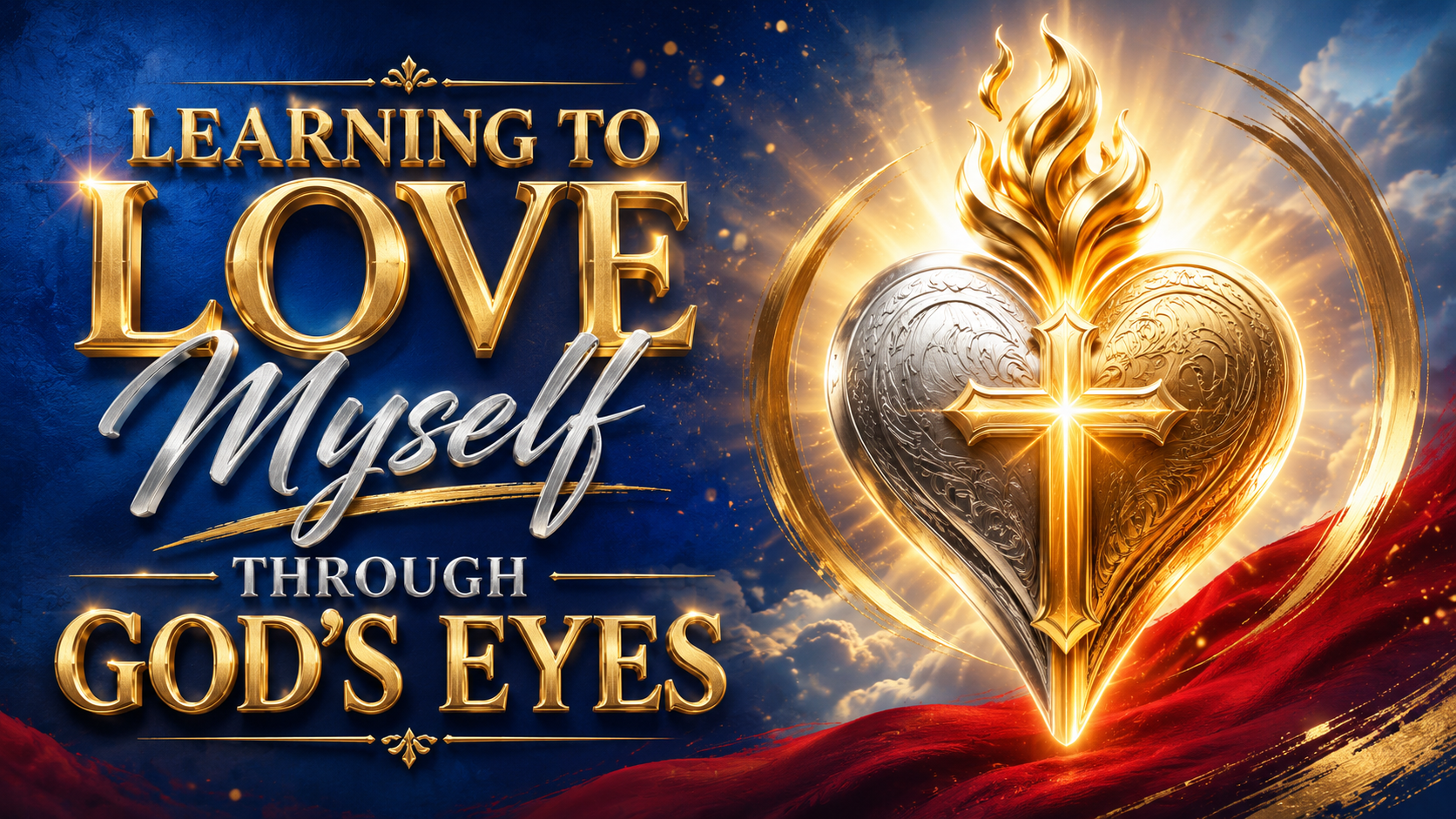
Learning to Love Myself Through God's Eyes

Learning to Love Myself Through God's Eyes

Learning to love myself was the first mountain I ever had to climb in recovery. Jesus said the greatest commandment is to love God with all our heart, soul, mind, and strength—and the second is like it: to love our neighbor as ourselves. I thought I loved God. I thought I loved others. But I had never learned how to love me. And when I finally faced that truth, I realized I didn’t just “not love myself”—I despised myself.

When I was drunk and alone, I’d curse myself. I’d repeat the harsh words spoken over me by others—especially family. Emotional abuse, degradation, bullying, name‑calling… all of it became the internal script I lived by. I believed I was worthless, stupid, manipulative, selfish, unlovable. And because I believed it, I lived it.

So I kept God at arm’s length. I kept people at arm’s length. I feared abandonment, rejection, and judgment. I feared giving God my whole heart because I assumed He would eventually reject me too. Shame became the lens through which I saw myself, others, and God.

But recovery forced me to confront the lies. It forced me to ask: Who does God say I am? And in that painful, holy unraveling, I began to learn to love God with what little I had. I began to see myself through His eyes. And only then could I begin to love others with sincerity, depth, and courage.

Anchor verse - Hebrews 1:3 - “He is the reflection of God’s glory and the exact imprint of God’s very being, and he sustains all things by his powerful word. When he had made purification for sins, he sat down at the right hand of the Majesty on high.”

Christ is the exact imprint of God’s being—and through Him, we learn who God is, who we are, and how deeply we are loved.

Tuesday, May 26, 2026

Set the Sail of Recovery and Sobriety: "If Any Would Follow..."

Set the Sail of Recovery and Sobriety: "If Any Would Follow..."

I do not recall the specific moment in my own recovery journey when Jesus placed a crossroad before. For one, I have had multiple crossroads placed before. And I am sure many of you have had those same crossroads placed in your own life and path. These crossroads were not placed with thunder, not spectacle, because they were often placed with a quiet, piercing invitation. At times, and for me, came by way of conviction that brought me to the knees of humility because of an entitled selfish attitude. Other times came in moments of comfort and spiritual direction when someone took the time to obey without delay the promptings of the Holy Spirit. And still other moments where it is the quiet witness of confirmation, and then further confirmed by another's message and teaching.

That tiny word if holds the weight of your destiny as well as my own destiny. it is the hinge between us surviving and thriving, between bondage and freedom, between the life we've known and the life Christ longs to give us - you know, that abundant life where there are peace and joy in Him? An abundant life where we come to rest in Him.

Today, we are stepping right into this profound, simple, and quiet invitation with courage, clarity, and a sound mindset that is honest. Stepping into understanding how the cross becomes transformative in our path, in our lives, and in our relationships.

Anchor Verse — Matthew 16:23–26 (cf. Luke 9:23–26, NRSVUE): "Then Jesus told his disciples, “If any wish to come after me, let them deny themselves and take up their cross and follow me. For those who want to save their life will lose it, and those who lose their life for my sake will find it. For what will it profit them if they gain the whole world but forfeit their life? Or what will they give in return for their life?"

Welcome back, fellow travelers, to Sacred Sobriety: A Path for the Soul. We are continuing our series Set the Sail for Recovery and Sobriety. Today we’re walking with Jesus into one of the most demanding—and liberating—teachings He ever gave. Matthew 16:23–26 and Luke 9:23–26 confront us with the truth that discipleship is not an accessory to life; it is the surrender of life. And yet, in that surrender, we discover the abundant life we’ve been aching for. As Tozer writes in Salvation Walks the Earth, “Every man holds his future in his hand… destiny waits on the nod of his head.” Today, we nod toward Christ.

Wednesday, April 22, 2026

Solidarity in Our Suffering

Solidarity in Our Suffering

Every one of us knows what it feels like to wake up inside a prison we never saw ourselves enter. Not a prison of steel bars, but the kind built from fear, shame, distorted thinking, and the quiet suffering we carry alone. These are the prisons that don’t show up on a background check—but they shape our lives all the same.

And here’s the part we rarely admit to ourselves: most of the time, we don’t even realize we’re locked inside. We just feel the weight. The cycle. The hopelessness. Recovery calls this “your side of the street.” MRT calls it “recognizing your prison.” Scripture calls it remembering—remembering those in chains as though you were chained with them (Hebrews 13:3). Because the moment you recognize your own captivity is the moment you become capable of standing with someone else in theirs. Not with pity. Not with judgment. But with solidarity born from shared humanity and redeemed suffering.

I’ve lived in those invisible cells. I’ve counseled people trapped in them. And I’ve watched God use both literal and internal prisons to refine character, restore dignity, and reveal His mercy in ways comfort never could. So when I talk about suffering in solidarity, I’m not speaking as an observer—I’m speaking as someone who has been behind those walls and found Christ already waiting there. This devotional isn’t about theory. It’s about truth. It’s about recovery. It’s about the Gospel. And it’s about learning to see our own captivity clearly enough that we can walk beside others without superiority, without fear, and without pretending we’ve never been imprisoned ourselves.

What is the prison of your own suffering? For me, it was those moments where my life seemed to come undone - the rug pulled right out from underneath me. Locked in my own irrational thought process, false beliefs, and not understanding the reason I seemed to constantly be in this never-ending cycle of always finding myself in a place of brokenness, suffering, and hopelessness. There are moments in many individuals lives where they are in some form of a prison. And this prison may be a literal prison, or it may be a product of one’s circumstances. Whether this is a place of financial debt, broken relationship, physical limitations, disability, or injury, or any other constraining circumstance. 

Yet, the single most travesty within our Christian faith communities and fellowship is when fellow saints perceive those who are in some form of prison and are suffering - see them with a biased assumption that God has not favored them. That, they have committed some form of sin, or are spiritual rebellion. To some extent, there are those who have this idea that Christians suffering in their own prisons are lacking faith in God. 

However, let’s consider the Apostle Paul: he probably experienced similar judgments and perceptions. Specifically, when we read his epistles that were written while he was in prison and suffering for the cause of the Gospel. Early saints of the way may have seen his trouble as a sign of God’s own disfavor and wondered how someone with so much potential had fallen to such lowly depths. 

Now, consider the reality of what I am wanting to share with you today. Prisons today different from person to person - and are full of God’s beloved sons and daughters. Despite this reality, He uses these prison moments in profound and mighty ways. We see how he used Paul’s suffering and prison moments, Joseph of Egypt, John the Baptist, John the beloved disciple, and numerous other men within scripture. Most of these men were used by God in powerful ways and they have experienced imprisonment, captivity, or depth of loneliness and despair - and our Heavenly Father, in His tender mercies, used those moments. 

Sunday, January 18, 2026

Genesis 7:1-5 - "The Discipline of Deliverance: Why God uses Floods to Lift You, not Drown You"

Genesis 7:1-5 - "The Discipline of Deliverance: Why God uses Floods to Lift You, not Drown You"

There comes a moment in every recovery journey when God calls us out of the storm—not because the storm has ended, but because He has prepared a place of refuge within it. Deliverance rarely begins with calm skies. It begins with obedience in the middle of chaos. When everything around us shakes, God invites us into a covenant that cannot be shaken. This is where trust is forged, where faith becomes more than belief, and where sobriety becomes more than survival—it becomes sacred. (Psalm 46:1–2; Isaiah 26:3–4)

Welcome, fellow travelers, to Sacred Sobriety: A Path for the Soul. Today we step deeper into our Daily Exodus—this discipline of deliverance where God leads us out of bondage and into His covenantal protection. When we come into relationship with who God truly is, He establishes a covenant of protection and provision as we navigate the storms of life. He does not merely calm the waters; He often destroys the very structures of our past that once held us captive. (Psalm 91:1–4; Isaiah 43:2)

Our anchor verse today is Genesis 7:1–5 (NASB2020), where God calls Noah into the ark before the floodwaters rise, sealing him into divine safety while judgment falls on everything that once defined the world he knew.

Monday, January 12, 2026

When Abuse Hides Behind Faith: Why So Many Christians Carry Frozen Anger

When Abuse Hides Behind Faith: Why So Many Christians Carry Frozen Anger

Some stories don’t break us because of what happened in the past. They break us because of the moment we finally hear the truth spoken out loud — the moment someone confirms our deepest fear: that the people who hurt us never saw us at all. This revelation often surfaces unexpectedly, like a sudden chill in the air, a stark reminder that our pain went unnoticed and unacknowledged. It becomes a weight we carry, a haunting echo that reverberates through our memories, reminding us of the moments when our vulnerability was met with indifference. In that instant, we realize how profoundly we craved understanding and empathy, yet instead found only shadows where we hoped for light. Each word spoken unveils layers of grief, revealing that the wounds, although buried, still fester beneath the surface, waiting to be addressed, validated, and ultimately healed.

When I read her words — the moment her mother said, “It wasn’t that bad. I never broke my arm beating you” — I felt the familiar chill of frozen anger. Not outrage. Recognition.

What she described isn’t rare. It’s not an outlier. It’s the quiet, unspoken reality of countless Christians who grew up in homes where faith and harm were intertwined, a painful experience that often goes unnoticed by those outside these communities. Many individuals bear the scars of this complex relationship, where the teachings of love and forgiveness coexist with experiences of emotional and sometimes physical abuse. For them, faith becomes a double-edged sword, instilling a sense of guilt and confusion as they grapple with their beliefs amid conflicting messages about holiness and worth. The struggle to reconcile these childhood experiences with their adult spirituality can lead to a profound sense of isolation, as they seek solace and understanding in a world that often fails to acknowledge their plight.

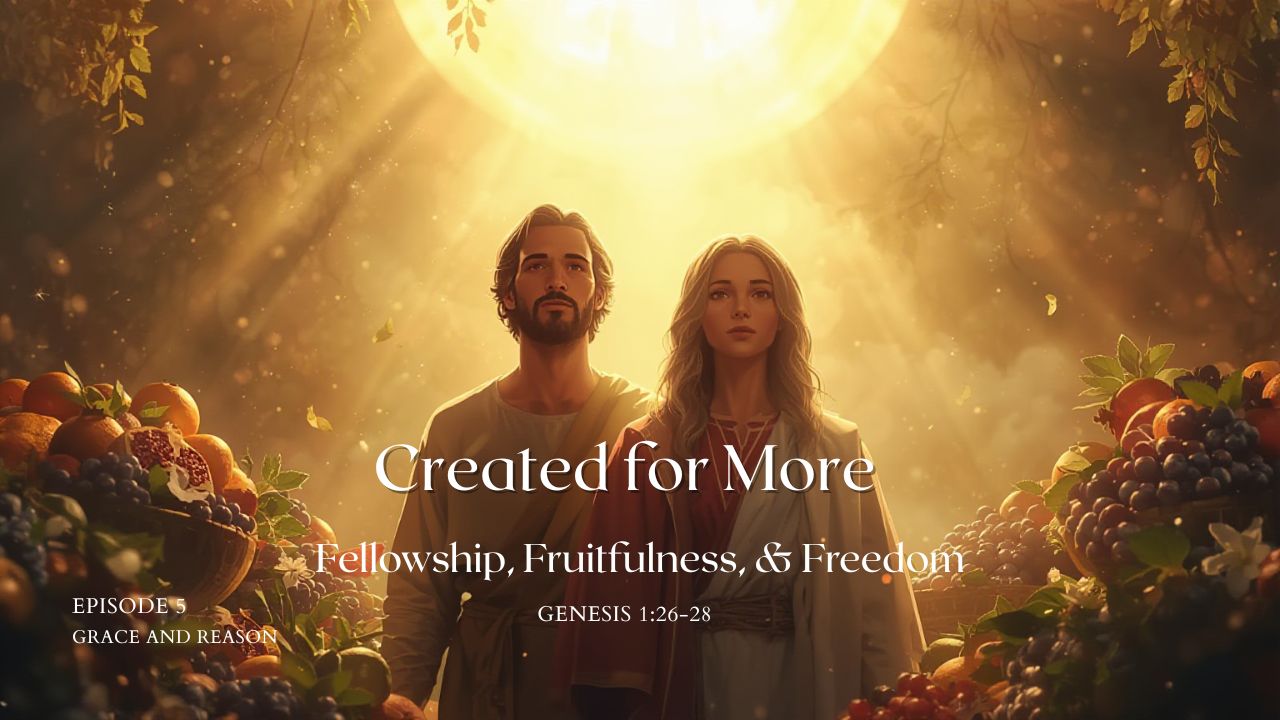
Genesis 1:26–28: Created for Fellowship, Fruitfulness, and Freedom

Genesis 1:26–28: Created for Fellowship, Fruitfulness, and Freedom

When God created humanity, He didn’t begin with rules, shame, or expectations. He began with blessing, purpose, and relationship. Before we ever failed, He called us very good. And for those of us walking the long road of recovery — from addiction, fear, codependency, or spiritual exhaustion — Genesis 1 reminds us of something we often forget: God’s original intention for us has not changed. He still loves us, still calls us, and still longs to bless us as we surrender to Him.

Hello and welcome, fellow Travelers.

Today, I want to walk with you as we continue our journey through Genesis, exploring what it means to walk in Sacred Sobriety — a path where God restores what was lost, heals what was broken, and reclaims what fear and shame tried to steal. Our anchor verse is Genesis 1:26–28, a passage that reveals God’s heart for us from the very beginning.

ANCHOR VERSE — Genesis 1:26–28 (NASB)

Then God said, “Let Us make mankind in Our image, according to Our likeness; and let them rule…” God created mankind in His own image… male and female He created them. God blessed them; and God said to them, “Be fruitful and multiply, and fill the earth…”

PRAYER

Heavenly Father, we come to You as people in need of Your restoring touch. Thank you for opening our hearts to Your original intention for us — fellowship, fruitfulness, and blessing. Thank you for healing the places where fear, pride, and shame have distorted our view of You. Teach us to surrender, not out of fear, but out of trust. In Jesus’ name, amen.

Thursday, January 8, 2026

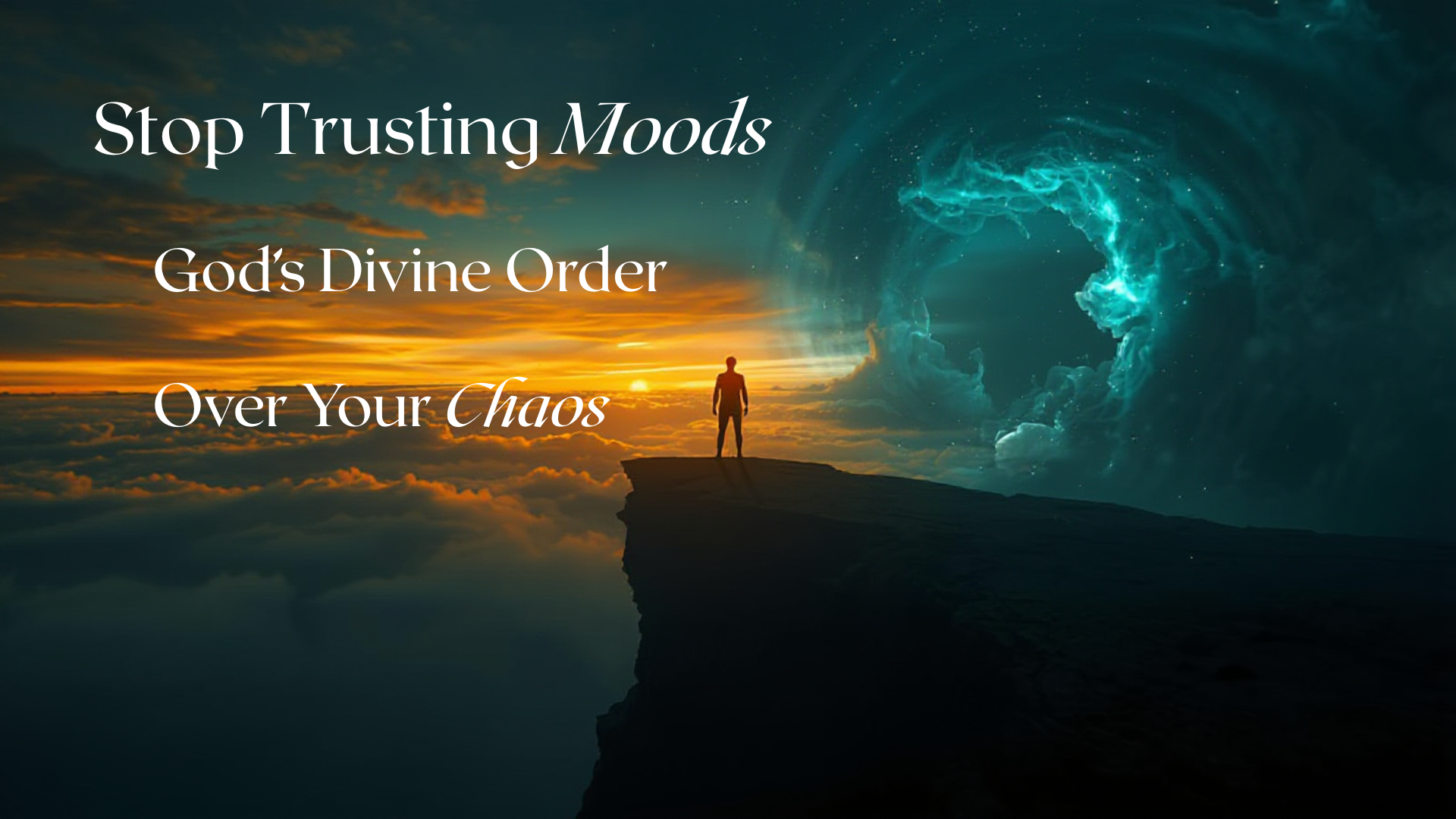
The Greater and Lesser Lights - Learning to Live by God's Order, Not Our Moods

The Greater and Lesser Lights - Learning to Live by God's Order, Not Our Moods

Welcome, fellow travelers. This is Sacred Sobriety: A Path for the Soul, and I am your host, Timothy Berman.

We are continuing our journey through Genesis—not as distant theology, but as a living pattern for recovery, faith renewal, and disciplined deliverance.

Today, we come to a turning point in creation: God sets lights in the heavens—not merely to shine, but to govern time, seasons, and direction.

If you’ve ever lived by your emotions, your cravings, or your fears—this episode is for you.

Introduction

After God establishes dry ground and fruitfulness, He does something unexpected. He does not immediately create life. Instead, He creates orientation first. The sun and moon are not merely sources of light—they serve as governing lights. Their purpose transcends simple illumination; they are central to regulating time, defining seasons, establishing rhythms, and creating boundaries. These celestial bodies impart a sense of order and structure within the cosmos.

Before embarking on the task of filling the earth with living creatures, God ensures that creation will not be left to the whims of chaos or unchecked impulse. Instead, He designates time and cycles that everything within creation can adhere to, thus fostering an environment where life can thrive beautifully and sustainably. The concept of ordered cycles lays a foundation for harmony within creation, ensuring that each aspect of life has its place and function.

This idea of establishing order before life can be seen as a profound principle, one that resonates deeply within the journey of recovery as well. Recovery requires the same wisdom; it’s not simply about putting back the pieces of what was lost but about creating a structure and a framework that supports the rebuilding process. Just as God regulated the world through the sun and moon, individuals seeking recovery must find that guiding light which helps them navigate through challenges, allowing for growth within a controlled and stabilized environment. By prioritizing order over chaos, recovery becomes not merely a reaction to circumstances but a proactive journey toward wholeness and fulfillment.

Tuesday, January 6, 2026

EPISODE 4 — Finding Dry Ground: God’s Order in Your Chaos | GENESIS 1:9–13

EPISODE 4 — Finding Dry Ground: God’s Order in Your Chaos | GENESIS 1:9–13

Welcome fellow travelers to our devotional series Daily Exodus - Disciplines of Deliverance for the Sacred Sobriety channel.

Some of us are drowning in the same waters God already commanded to move. We’re praying for deliverance while standing in the very place where God intends to plant us.

Today, we’re stepping into Day 3 of Creation — the moment God gathers the waters and reveals dry ground. This is the pattern of deliverance. Not escape. Not avoidance. But God creating a place for your feet to stand.

If you’re navigating recovery, fear, doubt, or a faith crisis, this episode is for you. God is not just separating your chaos — He is forming stability beneath you. Let’s walk this out together.

Day 3 is the first moment in Scripture where something solid appears.

  • Not light.
  • Not boundaries.

But ground — a place to stand, a place to grow, a place to begin again.