Tuesday, March 17, 2026

The Architecture of Anger: Navigating Threats, Expectations, and Addiction in the Refiner’s Fire of Recovery

The Architecture of Anger: Navigating Threats, Expectations, and Addiction in the Refiner’s Fire of Recovery

Anger is not a random eruption. It is a structure—a system of triggers, distortions, and emotional wounds that form a predictable pattern. This understanding of anger as a structured response is crucial because it helps us identify the root causes of our emotions rather than viewing them as mere spontaneous reactions. In recovery, gaining insights into this architecture becomes essential for healing and personal growth. Consider this, “Anger is a progressive challenge in recovery and a symptom of deeper pain.”

This notion emphasizes that anger often masks underlying issues, such as unresolved trauma, anxiety, or fear. By acknowledging these connections, we can address the true sources of our anger instead of simply reacting to it. When we learn to map its components—recognizing our triggers, understanding the distortions in our thought patterns, and confronting our emotional wounds—we stop being acted upon by these feelings.

In doing so, we transition from a passive experience of anger to one where we can act with spiritual clarity and agency. This active engagement allows us to express our emotions constructively, facilitating healthier interactions and fostering deeper connections with ourselves and others. Embracing the complexity of anger paves the way for genuine healing and allows for the development of coping strategies that contribute to a balanced emotional life. Ultimately, this journey empowers us to reclaim our well-being and operate from a place of understanding and compassion.

Wednesday, March 11, 2026

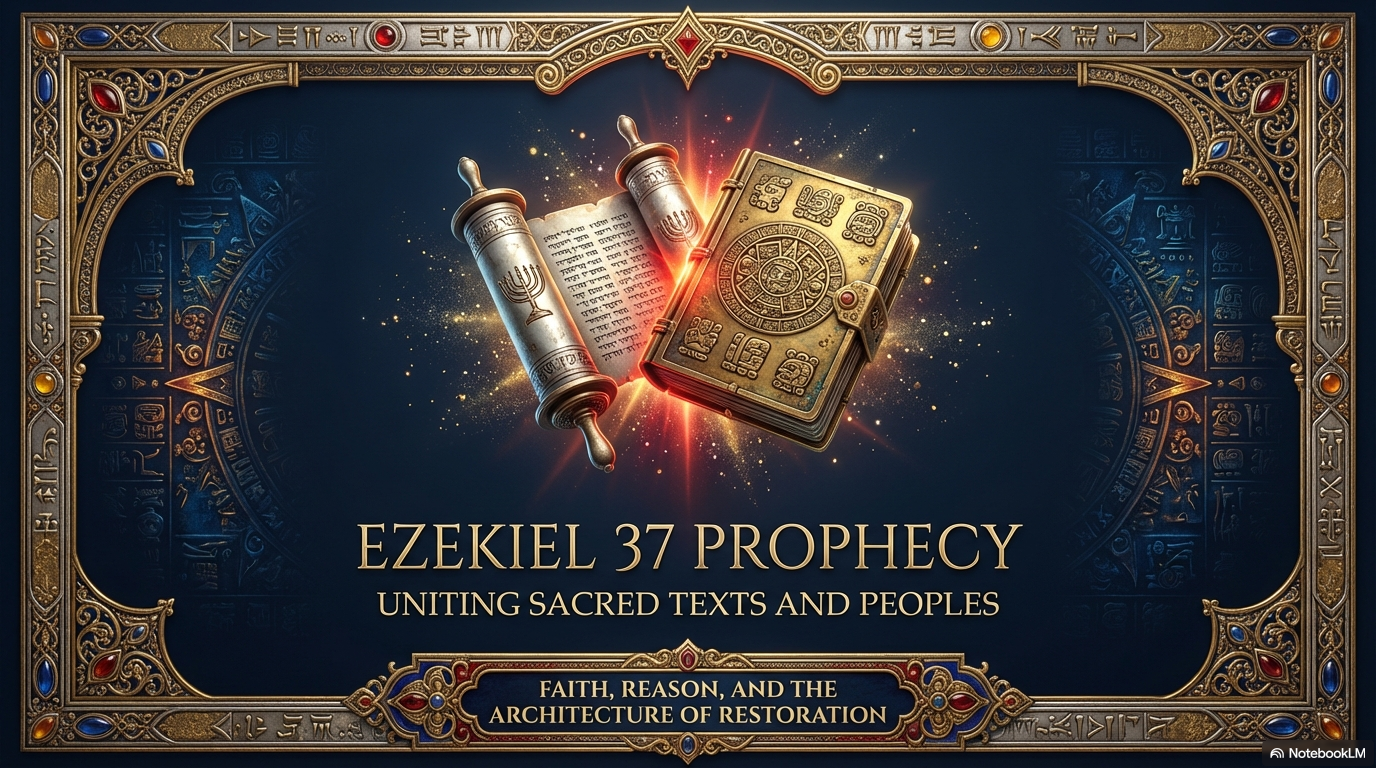
Ezekiel 37 Prophecy: Uniting Sacred Texts and Peoples

Ezekiel 37 Prophecy: Uniting Sacred Texts and Peoples

One of the challenges surrounding the Book of Mormon concerns the prophecy of Ezekiel 37 and the metaphorical concept of the two sticks. Many Latter-day Saints assert that Ezekiel 37's prophecy serves as compelling evidence for the authenticity and reality of the Book of Mormon. They argue that this prophecy signifies the reunification of sacred records and the bringing together of scattered peoples, aligning closely with the teachings and doctrines found within their faith. On the other hand, critics challenge this interpretation, positing that the true essence of Ezekiel's prophecy pertains more to the unification of a fractured and divided Israelite kingdom rather than a specific reference to the Book of Mormon or its teachings. This lively debate between Latter-day Saints and critics has persisted for many years, underscoring the complexity and nuance inherent in scriptural interpretation.

Ezekiel 37 encompasses more than just a vision of dry bones restored to life, as it holds profound implications for understanding divine sovereignty. The passage reveals a prophetic blueprint exhibiting how God, in His omnipotence, unites that which history and human actions have seemingly scattered—people, covenants, and records that are sacred. Importantly, the imagery of the two sticks transcends mere Hebrew poetic devices; rather, it articulates a divine declaration of God's work being expansive and far-reaching. It emphasizes that the divine initiative is not narrowly confined, but includes the restoration and reconciliation of a diverse array of communities under His covenant.

This particular prophecy resonates deeply with our contemporary world, which is often marked by fragmentation, division, and spiritual weariness. In an age characterized by mistrust and cultural rifts, Ezekiel's message serves as a reminder that God continues to gather His children, to restore hope, and to breathe life into situations that appear hopelessly fractured. This enduring message of unity amid diversity is crucial for our understanding of both scripture and our collective human experience.

To approach this passage appropriately, we must adopt a stance of deep reverence for its Ancient Near Eastern context, recognize its covenantal significance, and appreciate its relevance in modern times. This thoughtful examination should not rely on presuppositional arguments, sensational interpretations, or the eisegesis that misapplies contextual meaning. Instead, our strive should be toward an exegetical interpretation that centers on understanding the prophetic unity that Ezekiel foresaw. In doing so, we can engage meaningfully with the question at hand: Does this prophecy indeed validate the authenticity of the Book of Mormon, affirm its sacred nature, and align with the prophesied book of Ephraim that Ezekiel envisioned? By pursuing this inquiry with intellectual rigor and spiritual openness, we can contribute to the ongoing exploration of faith, doctrine, and scriptural truth.

Therefore, the goal is simple. To help individuals come to understand how this prophecy connects sacred texts, covenant identity, and God's ongoing work of reconciliation and redemption throughout human history.

Ezekiel 37 stands as one of the most sweeping restoration prophecies in all of scripture. Set against the backdrop of exile and despair, the chapter unfolds in two movements: the resurrection of the dry bones and the uniting of the two sticks. Together, these visions reveal God’s intent to restore life, gather His people, and reunite the sacred witnesses that testify of His Son. The vivid imagery of dry bones coming to life speaks not only to the physical resurrection of Israel but also to the spiritual awakening that can occur within the hearts of individuals and communities today.

This article explores the prophecy through its historical setting, symbolic layers, and doctrinal implications—especially its relevance to the Restoration and the coming together of sacred texts in the latter days. As we delve deeper into these themes, we can appreciate how the dry bones symbolize not only the lost hopes of a nation but also the potential for renewal and rebirth in our own lives. The uniting of the two sticks further illustrates the divine plan for unity among diverse groups, emphasizing the importance of collaboration and understanding in a fragmented world.

By examining the imagery, the covenantal themes, and the prophetic promises embedded in the chapter, we uncover a message of unity, identity, and divine purpose that speaks powerfully to our time. This exploration reveals how God’s word is alive and active, inviting us to participate in the narrative of redemption that transcends cultural and religious divides.

If you’ve ever wondered how God heals division, restores covenant identity, or brings multiple sacred records into harmony, Ezekiel 37 offers a profound and hopeful answer. The call to action is clear: we are invited to engage with this prophecy actively, to seek understanding, and to embrace our roles as connectors of truth and instruments of peace. In doing so, we become part of God's ongoing work in the world, acknowledging that the journey toward restoration—both individually and collectively—is an essential aspect of our faith and purpose.

Wednesday, March 4, 2026

Divine Protection and the Architecture of Temptation: A Comparative Analysis of the Joseph Narrative

Divine Protection and the Architecture of Temptation: A Comparative Analysis of the Joseph Narrative

Our Come Follow Me study of the Old Testament brings us to the scandals, betrayals, and failures of Jacob's family. Within this intricate tapestry of human experience, there is definitely something unexpected that reveals itself from the text: God keeps building covenant people out of deeply imperfect situations. Genesis 35-41 is not a story of spiritual elites; rather, it is the story of a God who refuses to abandon His promises, even when His people stumble, fracture, or fall.

These chapters take us on a journey that begins with the defilement of Dinah and progresses through the cleansing at Bethel, Reuben's troubling fall, and Joseph's extraordinary rise from the depths of slavery to the exalted throne room of Egypt. The narrative is raw, human, and painfully honest, reflecting not only the complexities of familial relationships but also the broader human condition. It serves as a poignant reminder that holiness can emerge from the most chaotic and fractured places.

Amidst the turmoil, there emerges a divine pattern woven into every failure: God transforms chaos into covenant, sin into sanctification, and suffering into preparation. The patriarchs are not idealized or romanticized figures; instead, their stories mirror our own spiritual formation: messy beginnings, painful corrections, and surprising victories and breakthroughs. They remind us that the journey of faith is rarely linear and often involves grappling with our shortcomings and learning from our mistakes.

What this study hopes to accomplish is a thorough examination of Ancient Hebrew word studies, rich Latter-day Saint commentary, and scholarly insights from esteemed individuals such as Kell & Delitzsch, Clarke, and others. This blend of perspectives integrates doctrinal clarity with a deep historical context, illustrating how the Lord interacted with the earliest covenant family and, by extension, how He continues to engage with us today. If you have ever found yourself wondering whether God still works with your imperfections, Genesis 35-41 is your answer. It reaffirms that divine grace is not contingent on human perfection, but rather flows abundantly within our flaws, inviting us into a deeper relationship with Him despite our human frailties.

This understanding can be both comforting and empowering, as it challenges us to reconsider our own narratives within the larger story of redemption. As we study these passages, we are invited not only to reflect on the lessons from Jacob's family but also to see our own lives as part of this ongoing testament to God's love and commitment to His people throughout history.

Sunday, March 1, 2026

Part II - Lesson 6: The Church of the First Century

Part II - Lesson 6: The Church of the First Century

Every surviving document from the earliest Christians points to one unmistakable reality: the Church of Jesus Christ was never meant to drift, improvise, or evolve by popular opinion. It was governed—actively, visibly, and globally—by living apostles who traveled, taught, corrected, and unified the Saints across thousands of miles. The idea of a fragmented, locally‑run Christianity would have been unrecognizable to the men and women who lived under apostolic direction.

Archaeologists mapping Roman travel networks now show how apostles could realistically maintain jurisdiction across vast distances. Historians studying Acts 15 identify the Jerusalem Council as the first Christian governing council—binding on every congregation. And New Testament scholars across traditions agree that Peter’s leadership was real, but never monarchical. The earliest Church functioned through a council of apostles, not a solitary bishop and not independent local leaders.

This emerging academic consensus paints a picture that looks far more like the Latter‑day Saint model of apostolic governance than the later structures of Catholicism, Orthodoxy, or Protestantism.

When Latter‑day Saints speak of a living quorum of apostles with worldwide jurisdiction, we are not inventing a new ecclesiology—we are recovering the original one. The historical record, the New Testament, and the best modern scholarship converge on the same point: the Church Christ established was led by a unified body of apostles who held authority for the entire household of faith.

This is the pattern that disappeared after their deaths. This is the pattern the Restoration restores.

What to Look for in this Lesson: 

  1. Most of the religions of the first century of the Christian era stressed the acquisition of salvation through mystical initiatory rites or elaborate ceremonies. Christianity ignored these aspects of religion and stressed a high standard of moral conduct. 
  2. Christianity was a rapidly expanding movement in the first century. Arrangements were made for supervision so that it would not become disunited. 
  3. Enrichment material. In Apostasy from the Divine Church, pp. 39-77 can be found some unique quotations and comments concerning the doctrines and worship of the early Christian church. 

How This Lesson Functions in LDS Apologetics

Apostolic jurisdiction is not an abstract ecclesiological idea—it is the structural backbone of the New Testament Church. Showing that the earliest Christians were governed by a mobile, authoritative quorum of apostles accomplishes three apologetic goals:

  • It demonstrates that the original Church was hierarchical, organized, and led by living apostles, not by Scripture alone or by independent congregations.
  • It shows that later Christian structures—papal monarchy, conciliar episcopacy, or Protestant congregationalism—do not match the first‑century pattern.
  • It clarifies that the Restoration restores a model that actually existed, rather than inventing a new one.

This lesson therefore becomes a bridge between historical reconstruction and Restoration theology.